Last updated: October 2, 2026
What “Built-In Grinder” Actually Means at Breville
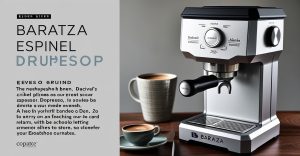
When people search for a Breville with a built-in grinder, they’re almost always looking at the Barista line: the Barista Express, Barista Pro, and Barista Touch, plus the Oracle machines at the top end. All of them mount a conical burr grinder directly on top of the espresso machine, so beans go in the hopper and grounds drop straight into the portafilter. One footprint, one power cord, no separate grinder to buy.
The grinder itself is the same basic unit across the Express, Pro, and Touch: a stainless steel conical burr set with an adjustable grind dial on the side of the machine. It’s a competent grinder. It is not a great one. That distinction is the whole story of whether these machines are right for you.
The Lineup at a Glance
See also: Best Espresso Grinders for Home: Burr Size, Workflow and Budget Matched • Breville Smart Grinder Espresso
| Machine | Heating system | Controls | Typical price | Best for |
|---|---|---|---|---|
| Barista Express | Thermocoil, ~30s heat-up | Analog dials, pressure gauge | ~$700 | First machine, tighter budget |
| Barista Pro | ThermoJet, ~3s heat-up | LCD, finer grind steps | ~$800 | Shot-to-shot speed, better workflow |
| Barista Touch | ThermoJet | Touchscreen, auto milk | ~$1,000 | Households with mixed skill levels |
| Oracle / Oracle Touch | Dual boiler | Auto dosing, tamping, milk | $2,000–$2,800 | Automation without a super-automatic’s compromise |
Prices drift with sales — Breville discounts these aggressively a few times a year, so don’t pay full retail if you can wait a few weeks.
How Good Is the Built-In Grinder?
Honest answer: good enough to learn on, limited enough that you’ll eventually notice.
The conical burrs produce a reasonably consistent espresso grind, and the Express gives you 16 grind settings while the Pro expands that to 30. That sounds like plenty until you’re chasing a shot that’s running two seconds fast and the next finer step overshoots into a choke. The steps between settings are simply too coarse for precision dialing, especially with lighter roasts.
Other real-world quirks worth knowing before you buy:
- Retention and stale grounds. A gram or two of grounds sit in the chute between uses. Purge for a second before your first shot of the day or you’ll taste yesterday’s coffee.
- Single-dosing is awkward. These grinders are designed around a full hopper. Running them empty-to-empty works but you’ll get more popcorning and less consistency.
- Dark, oily beans clog it. Oily roasts gum up the burrs and the chute fast. If you drink French roast, plan on cleaning the burrs every couple of weeks — it takes about ten minutes and a brush.
- The impeller wears. The plastic fan that pushes grounds out can degrade over years of use. It’s a known failure point on high-mileage Express units, and the part is replaceable but the repair is fiddly.
Built-In vs. a Separate Grinder
This is the real buying decision. A machine with an integrated grinder saves counter space and around $200–$400 up front. A separate setup — a machine like the Bambino paired with a dedicated grinder — costs more total but gives you two upgrades the all-in-one can’t match.
First, grind quality. Even a mid-priced dedicated espresso grinder offers stepless or near-stepless adjustment and better burrs, which translates directly into more shots landing in the sweet spot. Second, failure isolation. When the built-in grinder dies on a Barista Express, the whole machine goes in for service. When a standalone grinder dies, you still have an espresso machine.
The trade-off runs the other way too. Two devices mean two footprints, and if your counter is tight or you want a clean one-stop setup, the integrated machines are genuinely convenient. The dose-by-grind-time workflow — press the portafilter in, grounds drop in, tamp, lock, pull — is fast and tidy.
If you’re weighing the separate route, browsing dedicated espresso grinders gives you a sense of what $200–$400 buys on its own. For the all-in-one side, the Breville Barista Express remains the benchmark, with the Barista Pro worth the extra ~$100 if the three-second heat-up and finer grind steps matter to you.
Who Each Option Suits
Buy a built-in grinder machine if: you’re new to espresso, you drink medium or dark roasts, counter space is tight, and you want one purchase that does everything decently. You’ll make genuinely good espresso within a week of practice. The Barista Pro is the sweet spot for most people; the Express is fine if the price gap matters.
Buy a separate machine and grinder if: you already know you like light roasts, you enjoy tweaking shots, or you’ve been burned by an all-in-one breaking. The espresso you can pull with a $300 standalone grinder is meaningfully better than anything the integrated burr set produces.
Buy the Oracle if: you want espresso-machine quality with super-automatic effort. It doses, tamps, and steams milk automatically but still uses a real portafilter and real steamed milk rather than a pod-style shortcut. It’s expensive and heavy, and its grinder has the same ceiling as the cheaper models — you’re paying for automation, not better grinding.
Living With One
A few habits keep these machines running well. Run the cleaning cycle on schedule — the machine nags you for a reason, since coffee oils back up into the thermocoil otherwise. Keep the hopper lid sealed; the rubber gasket degrades if you leave it in direct sun. And brush out the burr chamber monthly if you use it daily. Neglecting this is how “my grinder stopped grinding” happens at year two.
Warranty is one year standard (two on some models), and Breville’s repair support is decent but slow. Extended warranties are worth considering on the Touch and Oracle specifically, since screens add a failure mode the Express doesn’t have.
FAQ
Is the Breville built-in grinder good enough for espresso?
Yes, for most people. It produces consistent shots with medium and dark roasts. The limitation is step size between settings — fine tuning for light roasts gets frustrating. It punches well above any blade grinder or cheap electric, but below a dedicated $250+ espresso grinder.
Barista Express or Barista Pro?
The Pro costs roughly $100 more and buys you a 3-second heat-up (vs. ~30), 30 grind settings (vs. 16), and an LCD shot timer. If you make drinks back-to-back or want easier dialing, get the Pro. On a strict budget, the Express makes the same espresso once you learn it.
Can I use oily dark roast beans in the grinder?
You can, but expect to clean the burrs and chute every two weeks or the grinder will clog and grind progressively coarser. Very oily beans — shiny, slick surface — are the worst offender. A medium-dark roast without visible sheen is the safer daily driver.
Should I buy a separate grinder anyway?
If espresso becomes a hobby rather than a habit, yes — it’s the single biggest upgrade available. The nice part is the built-in grinder doesn’t go to waste; it handles drip and French press duty fine, or you can keep the whole setup and just bypass it for espresso.