Last updated: October 2, 2026
Quick answer: For most people in 2026, the best single dose grinder home barista is the Entry-level electric single dose — our #1 rated choice. See the full ranked comparison, alternatives and buying advice below.
What makes a good single-dose grinder?
A single-dose grinder is designed to grind one measured portion of beans at a time, rather than keeping a hopper full. That suits home baristas who switch between coffees, want to weigh each shot, or simply don’t use enough coffee to leave beans sitting in a hopper. It is not automatically better than a conventional grinder: you trade hopper convenience for a more hands-on routine.
For espresso, prioritize fine adjustment, repeatable settings, low retention and a motor that can handle dense light-roast beans without stalling. Burr size and material matter, but they do not tell the whole story. Burr geometry, alignment and the grinder’s adjustment mechanism affect the cup and how easy it is to dial in. If you also brew filter coffee, check that the grinder has a useful range for coarser settings; some espresso-focused grinders are less convenient to switch between brew methods.
Look closely at the workflow, too. A bellows or other purge feature can help clear grounds from the chute, but it adds a step and may not eliminate retention. A dosing cup is useful if you transfer grounds to a portafilter, while a portafilter cradle can make direct grinding quicker. Noise, counter space and how easy the burr chamber is to clean matter in daily use.
Which type should you buy?
See also: Best Espresso Grinders for Home: Burr Size, Workflow and Budget Matched • Breville Smart Grinder Espresso
| Grinder type | Best for | Main trade-off |
|---|---|---|
| Entry-level electric single dose | Espresso at home without a large upfront spend | Adjustment may be less precise; switching coffees can take patience |
| Mid-range electric single dose | Regular espresso drinkers who value repeatability and easier dialing in | Higher price, more counter space and potentially more maintenance |
| Premium electric single dose | Frequent coffee switching or espresso plus filter brewing | Cost is hard to justify if you use one coffee and one brew method |
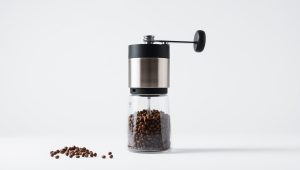
| Manual hand grinder | Limited counter space, occasional use or travel | Grinding espresso by hand takes effort and time |
The sensible starting point: entry-level electric
An entry-level electric single-dose grinder is a reasonable choice if you want to try the workflow without paying for premium burrs or elaborate adjustment. It can make good espresso, particularly with medium or darker roasts, and is often enough for someone who pulls a few shots a day using the same beans.
The compromises tend to show up during dialing in. Coarse adjustment steps can leave one setting too fast and the next too slow, forcing you to adjust dose or yield to compensate. Grounds may cling inside the grinder or remain in the chute, so changing beans can mix a little of the old coffee into the next dose. A bellows can reduce this, but expect a bit of mess and don’t treat “zero retention” as a guarantee.
Choose this category if your budget is firm and your routine is simple. Compare entry-level single-dose espresso grinders by adjustment range, return policy and cleaning access—not just advertised burr size. If you mostly drink milk-based espresso and don’t change beans often, the cheaper option may be entirely adequate.
The everyday upgrade: mid-range electric
For someone making espresso most days, the mid-range category often offers the best balance. Better adjustment control makes it easier to find a setting that suits a particular coffee, and a more solid build can make daily use feel less fiddly. Some models also make it easier to switch between espresso and filter settings, though you may still need to re-dial each brew method.
The catch is that “mid-range” covers very different designs. A grinder may have capable burrs but an awkward adjustment collar, or a tidy dosing cup but a narrow espresso range. Before buying, look for a clear explanation of how settings are changed, whether the adjustment is stepless or stepped, and whether the burrs can be removed for cleaning without losing your calibration. Consider mid-range single-dose grinders if you want more control but don’t need a premium all-purpose machine.
This tier suits a curious home barista who tries different coffees, especially if they enjoy dialing in rather than expecting every bag to work at one setting. It is less compelling if you use pre-ground coffee for most drinks or only make occasional espresso.
Premium electric: for frequent switching and broader use
A premium single-dose grinder makes sense when you’ll use its advantages regularly: changing beans often, exploring light roasts, or grinding espresso and filter coffee on the same machine. Depending on the design, you may get a more refined adjustment system, a broader usable range, lower retention, or a more polished workflow. These are practical improvements, not a promise that every coffee will taste better.
Premium grinders also have failure modes. A complicated adjustment system can be frustrating if markings are hard to read or settings shift while cleaning. Low retention can still depend on the coffee, dose and technique. And if you rarely change beans, paying extra for easy switching may buy a feature you seldom use. Check replacement-burr availability and cleaning instructions as carefully as the initial specifications. Browse premium single-dose espresso grinders only if those workflow gains match your routine.
When a hand grinder is the better buy
A quality manual grinder can deliver capable espresso grinding for less counter space and often less money than a premium electric model. It is a good fit for a small kitchen, travel, or someone who makes espresso only now and then. It can also be a smart gift for a coffee drinker who already owns an espresso machine but wants freshly ground beans.
The downside is effort. Fine espresso grinding takes longer and can feel tiring, especially with light-roast beans or multiple drinks in a row. Check that the model is explicitly designed for espresso adjustment; a grinder that works well for pour-over may not offer enough fine control. If you make several shots each morning, an electric grinder is usually the more comfortable choice.
Check these details before ordering
First, confirm that the grinder can grind fine enough for your espresso machine and basket. Then check its adjustment precision, cleaning procedure, dosing accessories and return policy. If you switch coffees, ask whether settings are easy to record and whether the grinder retains grounds between doses. If you switch brew methods, look for a wide adjustment range and accept that the change may require fresh dialing in.
Finally, match the grinder to your actual routine. A simple electric model is fine for one coffee and a modest number of shots. Spend more for control and flexibility you will use, not for specifications that sound impressive but don’t solve a problem on your counter.
FAQ
Is a single-dose grinder better for espresso?
Not by default. It is more convenient for weighing doses and switching beans, but a good hopper grinder can make excellent espresso with less daily handling.
Do I need a bellows?
No. It can help clear grounds from the chute, but it adds a step and may not remove every retained particle. A grinder that is easy to clean can matter just as much.
Can one grinder handle espresso and pour-over?
Many can, but changing settings may take time, and you may need to dial in again. Check the adjustment range and whether it is easy to return to a recorded espresso setting.
Is a manual grinder good for daily espresso?
It can be, if you are comfortable grinding by hand. For several shots a day, an electric grinder is usually quicker and less tiring.
Ready to decide? Our #1 pick for 2026 is the Entry-level electric single dose.
Live price & availability on Amazon.