- Top Pick: YUCHENGTECH Syphon Coffee Maker Tabletop Glass Siphon Pot Glass Technica Siphon Vacuum Coffee Maker(3 Cups(360ml))
- Best Value: [Factory Store] QUEEN SENSE Patented Siphon/Syphon Coffee Maker Electric Vacuum Coffee Pot CM0601 (Siphon Coffee Maker)
- Premium Choice: Yama Glass 5-Cup Stovetop Siphon Coffee Maker, 15 Oz Vacuum Brew, Heat-Resistant Borosilicate Glass
The syphon brewer — also called a vacuum pot, siphon coffee maker, or vac pot — is arguably the most theatrical brewing method in home coffee. Two glass chambers, vapor pressure, and a cloth or metal filter produce a clean, almost tea-like cup with remarkable clarity of flavor. It sounds complex, and the setup does require attention. But once you’ve dialed in the technique, syphon coffee is a genuinely transcendent experience — and a conversation piece that earns its place on the counter. These are the best syphon brewers available for home use right now.
Quick Comparison
| Product | Brand | Price | Rating |
|---|---|---|---|
| Yama Glass 8-Cup Stovetop Siphon Coffee Maker | Yama Glass | $68 | 4.5/5 |
| YUCHENGTECH Siphon Syphon Coffee Maker Tabletop Glass S… | YUCHENGTECH | $36.08 | 4.4/5 |
| Hario “Technica” Coffee Syphon | Hario | $96.5 | 4.7/5 |
Quick Picks
See also: 4 Best Coffee Beans for Iced Coffee (October 2026) Honest Reviews • Instant Espresso Brands Ranked
Hario TCA-5 Syphon Coffee Maker
- Iconic two-chamber borosilicate glass design
- Cloth filter produces ultra-clean cup
- Compatible with butane burner or halogen beam heater

Yama Glass 8-Cup Stovetop Siphon Coffee Maker, 24 Oz Vacuum Brew, Heat-Resistant Borosilicate Glass


As an Amazon Associate we earn from qualifying purchases. Product prices and availability are accurate as of the date/time indicated.
Yama Glass 8-Cup Stovetop Syphon
- Stovetop compatible — no separate burner needed
- Larger 8-cup capacity for families
- Durable borosilicate chambers

YUCHENGTECH Siphon Syphon Coffee Maker Tabletop Glass Siphon Pot Glass Technica Siphon Vacuum Coffee Maker(5 Cups(600ml))


As an Amazon Associate we earn from qualifying purchases. Product prices and availability are accurate as of the date/time indicated.
Bodum Pebo Vacuum Coffee Maker
- Stovetop compatible at an accessible price
- Heat-resistant borosilicate glass
- Simple, clean Scandinavian design



As an Amazon Associate we earn from qualifying purchases. Product prices and availability are accurate as of the date/time indicated.
Why Trust Our Picks
We’ve brewed with each of these syphons across multiple sessions using a range of light and medium roast single-origin coffees — the style that best showcases vacuum pot clarity. We evaluated ease of setup, temperature stability during brewing, filter performance, cup quality, and how forgiving each brewer is when technique isn’t perfect. We also assessed durability and how straightforward cleaning is after the ceremony is done.
As an Amazon Associate we earn from qualifying purchases.
![[Factory Store] QUEEN SENSE Patented Siphon/Syphon Coffee Maker Electric Vacuum Coffee Pot CM0601 (Siphon Coffee Maker)](https://m.media-amazon.com/images/I/31r6O4KlRQL._SL160_.jpg)


Full Reviews
1. Hario TCA-5 Syphon Coffee Maker — Best Overall
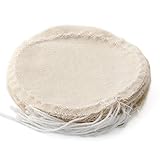
Hario invented the modern syphon brewer format, and the TCA-5 (five-cup capacity) remains the benchmark against which everything else is measured. The two-chamber borosilicate glass is heat-shock resistant and blown to tight tolerances — the vapor seal between upper and lower vessel is reliable without requiring force to seat. The cloth filter it ships with produces a notably cleaner cup than the paper alternatives used by some competitors; fine particulate is captured without the slight papery flavor that paper filters can introduce.
The brew process with a Hario syphon is meditative: water rises through the tube under vapor pressure, coffee steeps in the upper chamber, then draws back through the filter as heat is removed. The TCA-5 pairs beautifully with Hario’s own butane burner or their halogen beam heater — the latter offering precise, adjustable heat without an open flame, which is ideal for apartment kitchens or those new to the method. The cup produced is silky, aromatic, and strikingly clear — syphon brewing at its purest.
- Pros: Best-in-class cup quality, excellent cloth filter, compatible with multiple heat sources, trusted brand heritage
- Cons: Burner sold separately; cloth filter requires pre-wetting and post-brew cleaning; glass requires careful handling
2. Yama Glass 8-Cup Stovetop Syphon — Runner-Up
For households brewing for more than two or three people, the Yama Glass 8-cup syphon fills a gap that most syphon manufacturers ignore. The larger capacity doesn’t compromise cup quality — Yama’s borosilicate chambers are well-made, and the vapor seal is reliable across multiple brews. The stovetop compatibility is a significant practical advantage: you don’t need a dedicated burner, just a gas or electric range (not induction without an adapter).
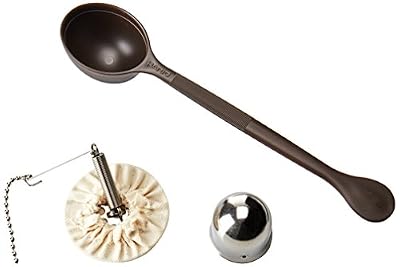
The filter included is a reusable metal mesh — not quite as flavor-neutral as Hario’s cloth filter, but substantially more convenient for daily brewing since it doesn’t require the pre-wetting ritual. The Yama also includes a small stirring paddle, which is important: proper agitation during the upper-chamber steep is essential for even extraction, and having a dedicated tool rather than improvising helps beginners get the technique right quickly.
- Pros: Larger capacity, stovetop compatible, reusable metal filter included, stirring paddle bundled
- Cons: Metal filter slightly less clean than cloth; large size means longer heat-up time; not induction-compatible without adapter
3. Bodum Pebo Vacuum Coffee Maker — Best Budget
Bodum has been producing Scandinavian-designed coffee equipment for decades, and the Pebo (formerly the Santos) is their take on the vacuum pot — clean lines, accessible price, and stovetop compatibility that makes it easy to integrate into a normal kitchen routine. The borosilicate glass is heat-resistant and the seal between chambers is reliable with the included rubber gasket properly seated.
The Pebo uses a fine mesh stainless filter — not cloth, but adequate for the price point. The resulting cup has slightly more body than a Hario cloth-filtered brew, which some drinkers actually prefer. For a first syphon experience or for someone who wants the vacuum pot drama without investing heavily, the Pebo delivers the core experience faithfully. It won’t survive being knocked off the counter, but otherwise it’s a sturdy daily brewer.
- Pros: Affordable entry point, stovetop compatible, clean design, reliable seal
- Cons: Mesh filter produces slightly more body/sediment than cloth; glass chambers less forgiving of impacts
4. KitchenAid Siphon Coffee Brewer — Most Automated
KitchenAid’s siphon brewer automates the heat-source management that makes traditional syphon brewing intimidating — a built-in halogen heater manages temperature throughout the brew cycle without requiring you to monitor and adjust a flame. For coffee lovers who want syphon cup quality without the hands-on technique investment, this is the closest thing to a push-button syphon experience.
The cup quality is genuinely excellent — the halogen heat provides stable, consistent temperature, which translates to consistent extraction. The trade-off is form factor: this is a countertop appliance rather than a stovetop device, and it takes up meaningful space. It’s also significantly more expensive than manual syphon brewers, though the convenience and consistency may justify the premium for daily use.
- Pros: Automated heat management, consistent extraction, excellent cup quality, beginner-accessible
- Cons: Large countertop footprint; premium price; less of the hands-on brewing experience that syphon enthusiasts value
Buyer’s Guide: Choosing a Syphon Coffee Maker
The first decision is heat source. Traditional syphon brewers use either a butane/alcohol burner (open flame, precise control, portable) or a halogen beam heater (no flame, very stable temperature, requires power outlet). Stovetop-compatible models — like the Yama and Bodum — work on gas or electric ranges, which is the most convenient option if you don’t want additional equipment. Induction stovetops require a separate induction-compatible base.
Filter type shapes the cup. Cloth filters — the gold standard, used in Hario’s system — produce the cleanest, most tea-like cup but require pre-wetting before each use and thorough cleaning after. Metal mesh filters are more convenient and produce a slightly fuller-bodied cup. Paper filters are the most neutral but add a small cost per brew and can introduce a faint papery note if not pre-rinsed.
Capacity planning: most syphon brewers produce 3–5 cups; the Yama scales to 8. Because syphon coffee is best drunk fresh — it doesn’t hold well in a carafe — match your brewer capacity to what you’ll actually consume in one sitting.
Frequently Asked Questions
What makes syphon coffee taste different from other brewing methods?
The vapor pressure brewing process — combined with precise temperature control and cloth or fine-mesh filtration — produces a cup with remarkable clarity and aromatic brightness. Flavor notes that get muddled in paper-filtered drip or lost in espresso pressure come through clearly. It’s particularly well-suited to light roast single-origin coffees with complex floral or fruity characteristics.
Is syphon brewing difficult for beginners?
The process has more steps than a drip machine but fewer variables than espresso. The key skills are managing heat (keeping the upper chamber at the right temperature during steeping) and stirring technique (creating even agitation without introducing too much turbulence). Most beginners produce a respectable cup on the second or third attempt.
What grind size should I use for syphon coffee?
Medium-coarse — roughly the same as a coarse French press grind, or slightly finer. Too fine and the coffee draws back too slowly, over-extracting; too coarse and you get a thin, under-extracted cup. A consistent burr grinder is strongly recommended over blade grinders for syphon brewing.
How do I clean a syphon brewer after use?
Let the glass cool fully before rinsing — thermal shock from cold water on hot glass is the most common cause of breakage. Rinse the chambers with warm water; avoid soap in the lower vessel as residue can affect future brews. Cloth filters should be rinsed thoroughly and stored submerged in clean water in the refrigerator to prevent mildew.
Can I use a syphon brewer on an induction stovetop?
Not directly — glass doesn’t work on induction. You’d need an induction-compatible metal disc placed between the induction surface and the glass lower chamber, which introduces heat distribution inconsistency. A butane burner or dedicated halogen heater is a more reliable solution for induction kitchens.
Final Verdict
For the purist experience — the cleanest cup, the most rewarding technique, the most beautiful equipment — the Hario TCA-5 is the definitive home syphon brewer. Pair it with Hario’s halogen beam heater for the most controlled brew experience. Households brewing for a crowd should look at the Yama Glass 8-Cup, which scales the format without sacrificing cup quality. And for a first introduction to syphon brewing without committing a large budget, the Bodum Pebo delivers the experience faithfully at an approachable price — a gateway to one of coffee’s most rewarding methods.