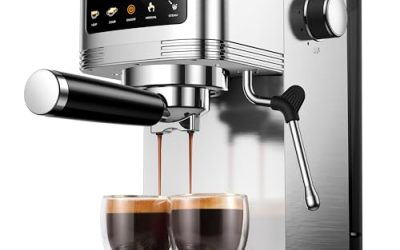
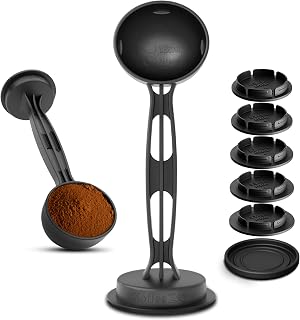
- Top Pick: Koffee Zen Universal Espresso Tamper Kit – 5 Sizes Included (49-58mm Portafilter), Built-In Coffee Scoop & Drip Tray, Works with DeLonghi, Breville, Gaggia, Mr. Coffee, Dishwasher Safe
- Best Value: 51mm Espresso Tamper Espresso Accessories Kit: Espresso Tamper Set, Coffee Tamper Espresso Tools Barista Tools | Espresso Kit Fits Espresso Coffee Machines of 51mm Portafilters
- Premium Choice: Dual-Sided Espresso Hand Tamper 51mm and 58mm Dual Ended Tamper Coffee Ground Press Barista Tool for Portafilter Machine
Last updated: October 4, 2026
Tamper size is the single most important spec in your entire espresso setup, and it’s also the one most people get wrong. A tamper that’s even half a millimeter off from your portafilter basket diameter will either scrape metal or leave a gap around the puck edge, both of which lead to uneven extraction and sour or bitter shots. Before you shop on material or handle style, you need to nail down the exact basket size your machine uses.
In 2026, the market has mostly standardized around a handful of common diameters: 49mm and 51mm for compact home machines, 53.3-53.7mm for many Breville models, and 58mm for commercial-style setups like La Marzocco and most prosumer dual boilers. This guide breaks down which size and material combination fits which machine, and what separates a tamper that lasts years from one that warps or rusts within months.
As an Amazon Associate we earn from qualifying purchases at no extra cost to you.




⚡ Save on Your Next PC — Amazon Prime
Prime members get fast free shipping on the systems above, plus early access to Prime Day & Black Friday PC deals. New members get a 30-day free trial.
- Watch: Best Espresso Tamper Sizes and Materials: A Buyer’s Guide — Video Review
- Why Portafilter Diameter Matters More Than Anything Else
- Matching Tamper Size to Your Machine
- Stainless Steel vs. Aluminum vs. Ceramic Bases
- Handle Materials: Wood, Metal, and Composite
- Flat Base vs. Convex Base
- Tips for Choosing and Using a Tamper
- Frequently Asked Questions
- Conclusion
- Related Articles
- Related Guides
Watch: Best Espresso Tamper Sizes and Materials: A Buyer’s Guide — Video Review
Why Portafilter Diameter Matters More Than Anything Else
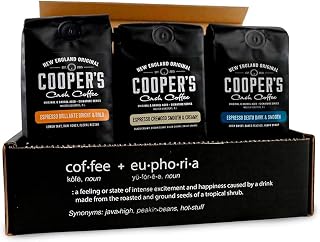
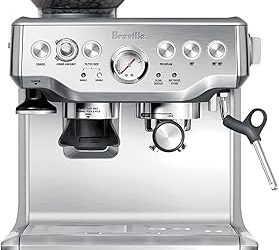
See also: The Best Espresso Subscription Boxes for Coffee Aficionados • 8 Best Espresso Machines for Under $1000: Prosumer Powerhouses
Every basket has an internal diameter, and your tamper base needs to match it within about 0.2-0.3mm for a proper seal against the basket wall. Too loose and coffee grounds pack unevenly at the edges, causing channeling. Too tight and you risk scratching the basket or jamming the tamper.
- 49mm and 50mm: found on some older DeLonghi and Mr. Coffee compact machines
- 51mm: the most common size for entry-level and mid-range machines including many Gaggia, CASABREWS, and atatix models
- 53.3-54mm: standard for Breville Barista Express, Barista Pro, and similar models
- 58mm: the commercial standard used by La Marzocco, Rancilio, and most prosumer machines
If you’re not sure which size you need, measure the inside of your portafilter basket with calipers rather than the outside of the portafilter itself. A multi-size kit like the Koffee Zen Universal Espresso Tamper Kit, which covers 49-58mm in one set, is a practical way to hedge against uncertainty or to serve a household with more than one machine.
Matching Tamper Size to Your Machine
Once you know your basket diameter, buying becomes straightforward. Here’s how the sizes break down by common machine families.
- 51mm machines: A dedicated 51mm Espresso Tamper Espresso Accessories Kit or the 51mm Espresso Accessories Kit with distributor and WDT tool covers Delonghi, CASABREWS, and atatix machines precisely.
- Breville 54mm machines: The 7 PCS Espresso Accessories Kit with a 53.3mm tamper is sized specifically for Breville’s basket tolerances, which run slightly under the nominal 54mm.
- Mixed households or cafes testing gear: A dual-sided tool such as the Dual-Sided Espresso Hand Tamper 51mm and 58mm covers two standard sizes in a single flip tool, useful if you own or test more than one machine.
- Undecided or multi-machine setups: The Koffee Zen Universal Kit’s five sizes remove the guesswork entirely.
Stainless Steel vs. Aluminum vs. Ceramic Bases
Material affects weight, durability, and how the tamper feels during the actual tamp. Stainless steel dominates the market for good reason.
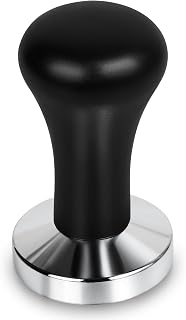
- Stainless steel: The standard choice for a reason. It resists corrosion from daily contact with moist coffee grounds, holds a flat base over years of use, and adds enough heft (typically 300-500g) for consistent, low-effort tamping. The 51mm Espresso Tamper-Premium Barista Coffee Tamper with its solid stainless steel base is a good example of this build quality.
- Aluminum: Lighter and cheaper, but softer. It can develop a dull, pitted surface over months of contact with acidic coffee oils, and lighter weight means you do more of the pressing work manually.
- Ceramic: Rare in tampers but occasionally used for the base itself. Good for staying cool but brittle if dropped on a hard counter.
Dishwasher-safe stainless construction, like what’s included in the Koffee Zen kit, is worth prioritizing simply because it removes the temptation to hand-wash a sticky, oily tool inconsistently.
Handle Materials: Wood, Metal, and Composite
Handle material is more about comfort and grip than performance, but it does affect long-term durability.
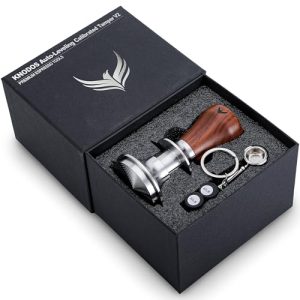
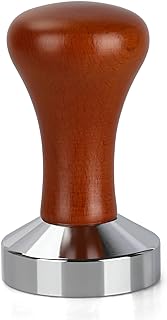
- Solid wood: Warm to the touch and comfortable for long tamping sessions. The 90x51mm Classic Series tamper pairs a solid wood handle with a stainless base, a combination that balances grip comfort with a durable pressing surface.
- Anodized aluminum or stainless handles: More resistant to moisture damage than wood, and easier to keep sanitary in a shared or commercial kitchen.
- Rubberized or composite grips: Common in budget accessory kits, generally fine but can degrade faster with heavy daily use.
Flat Base vs. Convex Base
Nearly every modern tamper ships with a flat base, and for good reason: flat bases produce a level, even puck that extracts consistently. Convex bases, once popular, create a slight dome in the puck that some baristas felt reduced channeling around the basket walls, but most specialty coffee guidance now favors flat bases paired with a separate leveling or distribution tool.
- Flat base: pairs well with WDT tools and distributors for even puck prep
- Convex base: largely a legacy design, less common in 2026 kits
- Kits like the 51mm Espresso Accessories Kit with distributor and WDT tool reflect this shift, bundling a flat tamper with prep tools rather than relying on base shape alone
Tips for Choosing and Using a Tamper
- Always measure your basket’s inner diameter directly rather than trusting your machine’s marketing spec sheet
- Buy a slightly heavier stainless tamper (400g+) if you tamp frequently, since the added mass reduces wrist fatigue
- Pair your tamper with a distributor or WDT tool for even puck density, especially with 51mm and 53-54mm baskets prone to channeling
- Wipe the base dry after each use even if it’s dishwasher safe, since trapped moisture between uses can dull stainless steel over time
Frequently Asked Questions
How do I know if my tamper is the wrong size?
If you see a visible gap between the tamper base and basket wall, or if the tamper feels like it’s scraping metal as it goes down, it’s the wrong size. A properly fitted tamper should slide in with minimal side clearance, typically under half a millimeter.
Is a 58mm tamper ever compatible with a 51mm machine?
No. Unlike portafilter handles, which can sometimes be adapted, tamper base diameter is not adjustable. You need a tamper matched to your specific basket size, which is why multi-size kits exist for households with more than one machine.
Does tamper weight actually affect the shot?
Weight itself doesn’t change extraction, since tamping pressure is about technique, not the tool’s mass. However, a heavier tamper (400-500g) makes it physically easier to apply consistent, firm pressure without extra wrist effort, which indirectly improves consistency shot to shot.
Should I buy a single tamper or a full accessory kit?
If you already own a distributor and leveling tool, a standalone tamper like the Classic Series stainless and wood model is fine. If you’re building your setup from scratch, a bundled kit such as the 7 PCS Espresso Accessories Kit or the 51mm kit with distributor and WDT tool is more cost-effective and ensures every tool matches your basket size.
Conclusion
Getting tamper size right is non-negotiable, but once that’s settled, the choice between stainless steel and wood, or a single tool versus a full kit, comes down to your budget and how often you’re pulling shots. For most home baristas in 2026, a stainless steel tamper matched precisely to their basket diameter, paired with a distributor or WDT tool, delivers the most consistent results without overcomplicating the routine.