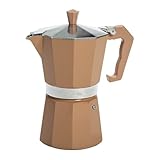
- Top Pick: Bialetti Moka Express Iconic Italian Stovetop Espresso Maker (Natural Silver, 6 Cups)
- Best Value: Primula Classic Stovetop Espresso and Coffee Maker, Moka Pot for Italian and Cuban Café Brewing, Greca Coffee Maker, Cafeteras, 6 Espresso Cups, Silver
- Premium Choice: Bialetti – Moka Express: Iconic Stovetop Espresso Maker, Makes Real Italian Coffee, Moka Pot 9 Cups (14 Oz – 420 Ml), Aluminium, Silver
Last updated: October 4, 2026
Aeropress and moka pot brewers solve the same problem in completely different ways. The Aeropress uses paper-filtered immersion and hand pressure to produce a clean, bright cup in under two minutes, while the moka pot relies on stovetop steam pressure to pull a dense, syrupy shot that’s closer to true espresso in body and intensity. Neither replaces a real espresso machine, but both punch well above their price for home brewing.
Since moka pots are the more traditional espresso-adjacent choice and the focus of today’s picks, we compared six stovetop models across aluminum and steel construction, single-shot and 6-cup sizes, to find the ones worth keeping on your stove. Below are our top picks, what to look for, and how the moka pot stacks up against the Aeropress for daily brewing.
As an Amazon Associate we earn from qualifying purchases at no extra cost to you.




⚡ Save on Your Next PC — Amazon Prime
Prime members get fast free shipping on the systems above, plus early access to Prime Day & Black Friday PC deals. New members get a 30-day free trial.
How to Choose
- Material: Aluminum heats fast and is lighter, but steel resists corrosion and lasts decades with basic care.
- Capacity: Moka pots are sized by “cups,” which actually means small 2-oz espresso shots, not full mugs. A 6-cup pot yields about 10 oz of finished coffee.
- Heat source compatibility: Check whether the pot works on induction, gas, or electric coils. Most aluminum moka pots are gas or electric only.
- Handle and gasket quality: A heat-resistant handle and a replaceable rubber gasket matter more long-term than looks, since gaskets wear out after 200 to 300 brews.
- Grind and roast pairing: Moka pots need a medium-fine grind, finer than drip but coarser than espresso, paired with a medium-dark roast to avoid bitterness from the higher brewing pressure.
The Best Picks Reviewed
See also: The Best Espresso Subscription Boxes for Coffee Aficionados • 8 Best Espresso Machines for Under $1000: Prosumer Powerhouses
Bialetti Moka Express Iconic Stovetop Espresso Maker, 6 Cups
The Moka Express is the pot that defined the category in 1933, and the 6-cup version is still the benchmark. It’s cast in polished aluminum with a heat-resistant black handle and eight-sided body that promotes even heating. Brew time runs about 4 to 5 minutes on medium heat, and the octagonal shape makes it easy to grip while pouring. If you want the classic Italian result with no learning curve, this is it.
GROSCHE Milano Stovetop Espresso Maker, 6 Cup, 9.3oz
The Milano uses a similar aluminum build to the Bialetti but adds a slightly wider base and a stay-cool handle that holds up better under repeated stovetop use. At 9.3 oz output, it’s a near match for the Bialetti 6-cup in yield. GROSCHE also backs it with a more generous replacement parts program, which matters since gaskets and filter plates are consumables.
Bialetti Moka Express, 9 Cups, 14 oz
For households or anyone brewing for two or three people at once, the 9-cup Moka Express scales up the same design to 14 oz of output. The larger base does need a slightly longer brew time, closer to 6 minutes, and a bit more attention to heat control to avoid scorching the coffee at the top of the funnel. Worth the upgrade if 6 cups isn’t enough.
Primula Classic Stovetop Espresso and Coffee Maker, 6 Cup, Silver
Primula’s take on the Greca-style moka pot is built for Cuban and Italian café con leche as much as straight espresso shots. The aluminum body is thinner than the Bialetti, which means faster heat-up but also more caution needed on high flame. It’s the most affordable full-size option here and a sensible pick if you’re trying the format for the first time.
Mixpresso 3 Cup Moka Pot Stovetop Espresso Maker
The 3-cup Mixpresso is sized for solo brewing, yielding roughly 5 oz per batch, which suits a single strong coffee or the base for one cappuccino. It’s compact enough for small kitchens or a dorm hot plate and heats up in under 3 minutes. Don’t expect the polish of the Bialetti, but for the price and footprint it’s a reasonable entry point.
Frequently Asked Questions
Is a moka pot the same as an Aeropress?
No. A moka pot generates steam pressure, typically 1 to 1.5 bar, to force hot water through packed grounds, producing a thick, espresso-like shot. The Aeropress uses manual plunger pressure with a paper filter for a cleaner, lighter-bodied cup closer to pour-over than espresso.
Which is faster, Aeropress or moka pot?
The Aeropress wins on speed, brewing in 60 to 90 seconds start to finish. A moka pot needs 4 to 6 minutes including stovetop heat-up, though it requires less hands-on attention once it’s on the burner.
Can I use a moka pot on an induction stove?
Only if the pot has a magnetic steel base or an included induction adapter plate. Standard aluminum moka pots, including most models above, are not induction-compatible without an adapter.
How fine should I grind coffee for a moka pot versus an Aeropress?
Moka pots want a medium-fine grind, slightly coarser than espresso, to avoid clogging the filter basket under pressure. Aeropress is more forgiving and works well from medium-fine to medium, depending on brew time and whether you’re using the standard or inverted method.
Final Thoughts
For most people wanting a genuine Italian stovetop shot, the Bialetti Moka Express 6-cup is still the safest, most proven buy. If you want a backup gasket program and a similar result, the GROSCHE Milano is a close second. And if you’re brewing solo or tight on stovetop space, the Mixpresso 3-cup covers that need without overspending.