Last updated: October 21, 2026
The main types of coffee makers are drip machines, single-serve pod brewers, espresso machines, French presses, pour-over drippers, cold brew makers, percolators, moka pots and stovetop or siphon brewers. The right one depends on how much coffee you drink, how much effort you will accept each morning, and whether you want a strong espresso-style shot or a larger mug of filter coffee.
| Type | How it brews | Effort | Typical cup style | Best for |
|---|---|---|---|---|
| Drip coffee maker | Hot water drips through grounds in a filter | Low | Clean, medium-body filter coffee | Households, several cups at once |
| Single-serve pod brewer | Hot water pushed through a sealed pod or reusable cup | Very low | One quick mug | Solo drinkers, speed |
| Espresso machine | Hot water forced through finely ground coffee under pressure | Medium to high | Concentrated shot, base for milk drinks | Latte and cappuccino fans |
| French press | Grounds steep in hot water, then a mesh plunger separates them | Medium | Full-bodied, some sediment | Rich coffee, no electricity needed |
| Pour-over dripper | You pour hot water over grounds by hand | Medium to high | Bright, clear, detailed | Enthusiasts who like control |
| Cold brew maker | Grounds steep in cold water for many hours | Low active effort, long wait | Smooth, lower acidity feel | Iced coffee, batch prep |
| Percolator | Hot water cycles repeatedly up through the grounds | Low to medium | Strong, robust | Camping, traditional style |
| Moka pot | Steam pressure pushes water up through grounds on a stovetop | Medium | Strong, espresso-like but not true espresso | Stovetop brewing on a budget |
Names and exact designs vary by brand, so use the table as a map and then check the specific model’s features.
- Drip coffee makers
- Single-serve and pod machines
- Espresso machines
- French press, pour-over and other manual methods
- Cold brew makers
- Percolators and moka pots
- Specialty and travel designs
- How to choose the right type
- Worked example: a cost comparison for a daily drinker
- Care and what to check before buying
- Frequently asked questions
Drip coffee makers
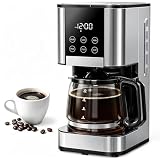
The drip coffee maker is the standard household machine. You add water to a reservoir, place ground coffee in a paper or permanent filter, and press a button. The machine heats the water and distributes it over the grounds, and the brewed coffee drops into a glass or thermal carafe. They suit people who want several cups with little attention and are the most common choice for offices and families.
Features to compare include carafe type (glass sits on a warming plate; thermal carafes keep coffee hot without one), programmable timers, brew strength settings, reservoir size and whether the machine can brew a small batch well. Cup size claims in listings often count a “cup” as a few ounces rather than a full mug, so check the actual capacity in ounces. Some buyers prefer models that state their brew temperature range and use a showerhead design to wet the grounds evenly, but these details come from the manufacturer’s descriptions, so read them with that in mind.
Single-serve and pod machines
See also: Best Espresso Machines for Lattes With a Powerful Steam Wand • Does Expired Coffee Lose Its Caffeine? What Changes as Coffee Ages
Single-serve machines brew one cup at a time, often using a sealed pod. They are the quickest option and produce little mess, which suits people who drink one mug and want to leave the house. The trade-offs are the ongoing cost of pods, the waste they create, and a narrower range of flavor control compared with grinding fresh beans. Many models accept a reusable filter cup so you can use your own ground coffee, which reduces waste and cost. Our guide to single-serve coffee makers for small kitchens covers the size and feature trade-offs in more detail.
When shopping, check the pod system the machine supports, the reservoir size, the cup sizes offered and how easy the machine is to descale. Machines that keep water hot in a tank may be quicker for the first cup but use some standby power, so look for an auto-off feature.
Espresso machines
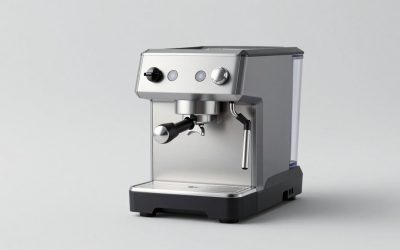
Espresso machines use pressure to extract a small, concentrated shot of coffee, which can be drunk straight or used as the base for lattes, cappuccinos and Americanos. They come in several formats: manual lever machines, semi-automatic machines where you grind, dose and tamp yourself, and super-automatic machines that grind, brew and sometimes froth milk at the touch of a button. Capsule-based espresso machines are the simplest.
The more control you want, the more skills and equipment you need. A semi-automatic machine usually works best with a separate grinder capable of fine adjustments, and good milk drinks need steam power and some practice. Super-automatics trade control for convenience and need regular cleaning of their internal parts. Pressure claims in specs, such as bar ratings, are a manufacturer’s figure, and what matters is how well the whole system holds temperature and pressure for the shot, which spec sheets rarely show. For an overview of grinding trade-offs on machines, see our look at coffee makers with a built-in grinder.
French press, pour-over and other manual methods
A French press is simple: coarsely ground coffee steeps in hot water for a few minutes, then you press a mesh plunger down. The immersion method gives a full body, and oils pass through the metal mesh, with some fine sediment in the cup. It needs no electricity, which makes it a camp and travel favorite, and it is easy to clean as long as you dispose of the grounds properly instead of washing them down the sink.
Pour-over brewing requires a dripper, filter and, ideally, a gooseneck kettle for controlled pouring. It rewards attention and produces a clean, bright cup, but it is slower and takes practice for consistency. Some machines imitate the technique; if that appeals to you, take a look at automatic pour-over coffee makers. Other manual options include plunger-style brewers that combine immersion and pressure, and the cezve method for Turkish coffee. Each has its own grind size, water temperature and timing, which you can find in the maker’s instructions.
Cold brew makers
Cold brew steeps coarse grounds in cold or room-temperature water for many hours, often overnight, then filters the concentrate. The result tends to taste smooth and less acidic to many drinkers, and the concentrate keeps in the refrigerator for several days if stored properly. You can drink it over ice, dilute it with water or milk, or heat it gently.
Cold brew makers range from simple pitchers with a mesh filter to larger systems. Things to check include capacity, how easy the filter is to clean and how well the lid seals. Because the process does not involve hot water, it does not kill all microorganisms, so follow the instructions on storage time and keep the equipment clean. Cold brew is a good fit for people who mostly drink iced coffee and can plan ahead.
Percolators and moka pots
Percolators cycle boiling water through a basket of grounds repeatedly, producing a strong, hot brew that many people associate with camping and older kitchens. Electric and stovetop versions exist. They can over-extract coffee if left running, so timing matters. A moka pot sits on a stovetop and uses steam pressure to push water up through the grounds, producing a strong, concentrated drink often compared with espresso, though it does not generate the same pressure. Both are affordable, durable designs. Be careful with hot surfaces and follow the manufacturer’s guidance on stove types, since some pots are not designed for induction cooktops.
Specialty and travel designs
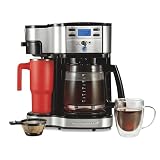
Beyond the main categories, you will find siphon brewers, which use vapor pressure and a vacuum for a theatrical, clean brew, as well as travel-focused models that run on batteries or a vehicle power source. If you want brewing away from the grid, see our guide to battery-powered coffee makers for travel. Hybrid models that combine two methods, for example a drip brewer with a pod side, appeal to households where people drink coffee differently, but they take counter space and have more parts to clean.
How to choose the right type
- You want speed with minimal cleanup: a single-serve machine or a simple drip maker.
- You serve several people: a drip machine with a thermal carafe.
- You love milk drinks: an espresso machine, with a grinder and steam wand, or a super-automatic if you want convenience.
- You value flavor control: pour-over or a semi-automatic espresso setup.
- You drink iced coffee: a cold brew maker.
- You want something simple and rugged: a French press, percolator or moka pot.
- You are concerned about materials that touch hot water: compare the listed materials, and see our overview of non-toxic coffee makers for what to look for.
Worked example: a cost comparison for a daily drinker
Here is an illustrative calculation with invented assumptions, not real product prices. Suppose you drink two cups a day for 30 days, which is 60 cups a month. A pod brewer using pods at $0.70 each would cost $42 a month in pods. A drip maker using about 10 grams of ground coffee per cup, with a 12-ounce bag (about 340 grams) costing $9, would use roughly 600 grams for the month, or about two bags and $18. A French press using the same ground coffee would cost about the same as the drip maker.
The difference between pods and ground coffee is therefore about $24 a month in this example, or $288 a year. If the pod machine is $60 cheaper than a drip machine with a good carafe, the extra pod cost overtakes the savings in under three months. Your numbers will differ, but the exercise shows why consumables matter as much as the machine price. For espresso, include the grinder, beans, milk and descaling supplies in your estimate.
Care and what to check before buying
Whatever type you choose, clean it regularly. Rinse removable parts after each use, wash carafes and filter baskets, and descale electric machines on the schedule in the manual. Use the descaling product recommended by the manufacturer. Check the warranty, the availability of replacement carafes or gaskets, and the footprint on your counter. Unplug electric machines before cleaning, and keep them away from the edge of the counter where cords could be pulled.
Finally, note that coffee is a perishable food product. Store beans or grounds in a cool, dry, airtight container, and learn what changes as coffee ages in our explainer on whether expired coffee loses its caffeine.
Frequently asked questions
What is the easiest type of coffee maker to use?
A single-serve machine or a basic drip coffee maker is generally the easiest. Single-serve models brew one mug at the touch of a button, while drip machines handle several cups with a filter and a switch. Manual methods such as pour-over or espresso take more practice and more equipment, so they suit people who enjoy the process.
What is the difference between a drip coffee maker and an espresso machine?
A drip machine lets hot water pass through grounds by gravity to make a large cup of filter coffee. An espresso machine forces hot water through finely ground coffee under pressure, making a small concentrated shot. Espresso is also the base for milk drinks like lattes, and it generally needs a finer grind and more cleaning.
Which type of coffee maker makes the strongest coffee?
Strength depends on the amount of coffee, the grind and the brew time as much as the machine. Espresso is concentrated, moka pots and percolators produce strong cups, and French presses give a full body. For a drip maker, using more grounds or a strong-brew setting raises the strength, though too much can taste bitter.
Are pod coffee makers worth it?
They are worth it if convenience matters most and you drink one cup at a time. The trade-offs are ongoing pod costs, packaging waste and less control over freshness. Reusable filter cups and a lower-cost pod system can help, so work out the monthly cost before you buy and compare it with ground coffee.
Do I need a grinder for every type of coffee maker?
No, since you can buy pre-ground coffee. But grinding fresh beans often improves flavor, and different brew methods use different grind sizes: coarse for French press and cold brew, medium for many drip machines, and fine for espresso. Machines with a built-in grinder add convenience but also more parts to clean.