Last updated: October 21, 2026
Whole roasted coffee beans taste best for roughly one to four weeks after the roast date, and many sources describe opened beans as pleasant for about one to three weeks at room temperature. After that they are still safe to brew if they stayed dry, but the flavor flattens steadily. Pre-ground coffee goes stale faster, often within one to two weeks of opening, while unroasted green beans keep far longer. The clock that matters is the roast date, not the day you bought the bag.
Quick Answer
- Roasted whole beans, best flavor: about 1 to 4 weeks after roasting, depending on the roaster and the style.
- Opened bag, room temperature: roughly 1 to 3 weeks of good flavor, per summaries of National Coffee Association guidance.
- Pre-ground coffee: about 1 to 2 weeks once opened, because grinding exposes far more surface to air.
- Past that point: stale, not spoiled. Coffee that stayed dry is generally fine to drink; discard anything damp, musty or moldy.
Shelf Life by Form
See also: Types of Coffee Makers: Drip, Pod, Espresso, French Press and More Compared • Best Espresso Machines for Lattes With a Powerful Steam Wand
The windows below are commonly cited ranges. Roasters differ, and bags with one-way valves, nitrogen flushing or heavy foil can hold flavor longer, so treat these as planning numbers rather than guarantees.
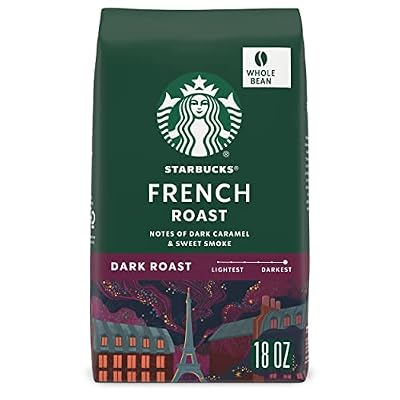
Starbucks Whole Bean Coffee French Roast, 18 oz Bag | 100% Arabica whole bean coffee; Dark Roast French Roast; 1 bag, 18 oz
Included for 'How Long Do Coffee Beans Last? Whole Bean vs Ground, Open vs Sealed' because the listing specifies 18 oz Bag and 18 oz, details this guide uses to compare options.
View on Amazon
2LB Don Pablo Gourmet Coffee - Signature Blend - Medium Dark Roast - Whole Bean Coffee - 100% Arabica Beans - Low Acidity and Non-GMO - 2lb bag
Included for 'How Long Do Coffee Beans Last? Whole Bean vs Ground, Open vs Sealed' because the listing specifies Signature Blend and Medium Dark Roast, details this guide uses to compare options.
View on Amazon
Dunkin’ Original Blend Medium Roast Whole Bean Coffee, 18 Oz. Bag
Included for 'How Long Do Coffee Beans Last? Whole Bean vs Ground, Open vs Sealed' because the listing specifies 18 Oz. Bag, details this guide uses to compare options.
View on Amazon
Dallmayr Prodomo Whole Bean Coffee, 17.6 Ounce
Included for 'How Long Do Coffee Beans Last? Whole Bean vs Ground, Open vs Sealed' because the listing specifies 17.6 Ounce, details this guide uses to compare options.
View on Amazon
Peak Performance High Altitude Organic Coffee. Medium Roast Whole Bean | Smooth Tasting, Low Acid, Fair Trade, Non GMO, and Beans Full of Antioxidants. USDA Organic Whole Bean Coffee Bag 12 oz
Included for 'How Long Do Coffee Beans Last? Whole Bean vs Ground, Open vs Sealed' because the listing specifies Smooth Tasting and Low Acid, details this guide uses to compare options.
View on Amazon
Shock Coffee Whole Bean, The Strongest Caffeinated All-Natural Coffee, Up to 50% more Caffeine. 1 pound
Included for 'How Long Do Coffee Beans Last? Whole Bean vs Ground, Open vs Sealed' because the listing specifies The Strongest Caffeinated All-Natural Coffee and Up to 50% more Caffeine. 1 pound, details this guide uses to compare options.
View on Amazon| Form | Typical best-flavor window | Main threat |
|---|---|---|
| Whole bean, sealed bag, unopened | Weeks to a few months, depending on packaging and roast date | Slow oxygen seepage through the bag |
| Whole bean, opened, airtight container | About 1 to 3 weeks at room temperature | Air, light, heat, moisture |
| Pre-ground, opened | About 1 to 2 weeks | Large exposed surface area |
| Whole bean, frozen in small airtight portions | Often quoted at 3 to 4 months | Condensation if thawed and refrozen |
| Green (unroasted) beans | Commonly said to keep for many months; confirm with the seller | Humidity and pests |
Why Fresh-Roasted Is Not Always Best on Day One
Right after roasting, beans release carbon dioxide in a process called degassing. Many roasters suggest letting beans rest for several days before brewing, especially for espresso, because trapped gas can make extraction uneven and the shot foamy but harsh. After the gas settles, flavor typically peaks for a couple of weeks and then fades. This is why specialty roasters print a roast date, while many large brands print a best-by date instead, which is the manufacturer’s estimate of when quality starts to slip.
What Actually Makes Beans Go Stale
Four things drive staling, and they are the same four the National Coffee Association is widely quoted naming: air, moisture, heat and light. Oxygen reacts with the oils and aroma compounds. Moisture promotes dull flavors and, in a bad case, mold. Heat speeds up every chemical change, and light degrades certain compounds. A bag stored next to the stove or in a sunny window loses flavor much faster than the same bag in a closed cupboard.
How to Store Coffee Beans
- Keep the original bag if it has a resealable zipper and valve, squeezing out extra air before closing. Otherwise move the beans to an airtight, opaque container.
- Choose a cool, dark spot. A cupboard away from the oven, dishwasher and sunlight works well.
- Buy what you will use in a few weeks. A smaller bag purchased regularly beats a big bag that lingers.
- Grind just before brewing. Whole beans protect the flavor until the last minute.
- If you freeze, portion first. Seal single-week amounts in freezer-safe airtight bags, remove one at a time and let it reach room temperature before opening so condensation does not form on the beans. Do not return thawed beans to the freezer.
- Avoid the refrigerator. Repeated opening of a cold container invites moisture and odors.
Signs Your Beans Are Past Their Best
Use your senses. Fresh beans smell sweet, nutty, fruity or chocolatey when you open the bag. Stale beans smell faint or like cardboard and brew a flat, papery cup with little crema if you make espresso. Visibly oily beans are not necessarily stale, since dark roasts naturally show surface oil, but a sharp, paint-like smell suggests rancid oil. Fuzzy spots, clumping or a musty odor mean the coffee absorbed moisture and should be thrown out.
Does Roast Level Change the Timeline?
Dark roasts have a more porous structure and surface oils, and many sources suggest they show staleness sooner, while lighter roasts can take longer to open up and may taste best a bit later in the cycle. The differences are modest compared with storage habits, so the practical advice is the same for all roast levels: keep air out, keep it cool and finish the bag.
Gear That Helps
These listed whole bean coffees are common supermarket-style choices. None list a roast date in the title, so check the bag on arrival and plan to use it within the windows above.
Starbucks Whole Bean Coffee French Roast – a dark roast in an 18-ounce bag
As an Amazon Associate we earn from qualifying purchases at no extra cost to you.

The listing describes 100% arabica whole bean French roast in an 18-ounce bag. Dark roasts tend to show surface oils, so a clean, airtight container matters because oils can leave residue that turns stale and affects the next fill. Look for the date printed on the bag when it arrives, and aim to finish an opened bag within a few weeks for the brightest flavor.
Dunkin’ Original Blend Medium Roast Whole Bean Coffee – an 18-ounce everyday bag

This listing is a medium roast whole bean in an 18-ounce bag. A medium roast sits between the roasty depth of French roast and the brighter notes of lighter coffees, which makes it forgiving for drip brewers. Because the bag is large for a one-person household, consider splitting it and freezing one portion in an airtight bag rather than leaving it all open.
Dallmayr Prodomo Whole Bean Coffee – a 17.6-ounce whole bean option

The listing gives only the brand, the line name and a 17.6-ounce size, so confirm the roast level, origin and any freshness date on the product page or the bag. Packaging format matters for shelf life, so check whether the bag has a resealable closure or a valve. Whatever the format, the same rules apply: reseal, store cool and dark, and grind per cup.
2LB Don Pablo Gourmet Coffee Signature Blend – a two-pound medium-dark bag

This two-pound listing is a medium-dark roast, 100% arabica whole bean blend described as low in acidity and non-GMO. Two pounds is a lot of coffee to finish inside a few weeks unless several people drink it, so decant what you will use in the next week or two into a daily container and keep the rest sealed in the bag or in portioned freezer bags. Confirm the packaging and any date on the product page.
Common Mistakes
- Judging freshness by the purchase date. Beans may have sat for weeks before they reached you; look for a roast or best-by date.
- Leaving the bag open or loosely rolled. Air is the main enemy, and a clip does not make a seal.
- Storing in clear containers on the counter. Light and heat shorten the good-flavor window.
- Refrigerating a working supply. Cold containers collect condensation and odors every time you open them.
- Grinding the whole bag at once. You trade a week of convenience for weeks of flatter cups.
- Refilling a container without washing it. Old oils cling to the sides and flavor the fresh beans.
Questions
Can I drink coffee beans that are a year old?
If they stayed dry and smell clean, they are generally safe, but expect a dull, flat cup. Brew a small sample first, and discard the bag if it smells musty or shows mold.
Do sealed bags last longer?
Usually, yes. A sealed, flushed or foil-lined bag slows oxygen exposure, but it does not stop staling entirely. Once opened, the shorter windows apply.
Is it better to freeze or to keep beans in the cupboard?
For beans you will finish within a few weeks, the cupboard is simpler. For a large bag, freezing small airtight portions is a common way to extend the window, as long as you avoid repeated thawing and refreezing.
Does ground coffee ever last as long as whole beans?
No. Grinding multiplies the exposed surface, and aroma escapes quickly. Pre-ground coffee is convenient but has a noticeably shorter flavor window.
Do old beans lose their caffeine?
Caffeine is stable, so age changes flavor far more than caffeine content. Stale beans taste weaker, not less caffeinated.
What can I do with beans that taste flat?
Use them for cold brew, iced coffee or milk-based drinks where the dull edges matter less, or grind slightly finer to add body. If they smell rancid or musty, discard them.
Update History
- October 21, 2026 – Initial publication; specifications checked against manufacturer documentation where available.
- Check the product page for current specifications and availability before buying.
Sources
- National Coffee Association storage guidance, as summarized by coffee-industry publications
- Specialty roaster educational articles on degassing, staling and freezing
- Retailer listing titles and specification fields for the listed coffees