- Top Pick: Letters Coffee — Single Origin Guatemalan Whole Bean Medium Roast, Huehuetenango Highlands, Grade A Specialty Coffee, 12 oz
- Best Value: illy Arabica Selections Nicaragua Whole Bean Coffee, 100% Arabica Bean Single Origin Coffee, No Preservatives, 8.8oz (Pack of 1)
- Premium Choice: Bones Coffee Company Ethiopia Single-Origin, Citrus, Floral and Berries Notes, Whole Coffee Beans, Low Acid Medium Roast Arabica Beans Flavored Coffee, 12 oz Whole Bean
Last updated: September 4, 2026
Quick Comparison
| Product | Brand | Price | Rating |
|---|---|---|---|
| Mt. Comfort Coffee Organic Peru Medium Roast | MtComfortCoffee | $15.99 | 4.5/5 |
| Mt. Comfort Coffee Costa Rica Medium Roast | MtComfortCoffee | $15.99 | 4.4/5 |
| Mt Comfort Coffee Guatemala Medium Roast – Exceptional … | MtComfortCoffee | $14 | 4.1/5 |
Introduction
See also: 4 Best Coffee Beans for Iced Coffee (October 2026) Honest Reviews • Instant Espresso Brands Ranked
Single origin coffee beans come from one farm, cooperative, or defined region — and that focus tells a story in the cup. Unlike blends engineered for consistency, single origins celebrate the unique flavors that climate, soil, altitude, and processing method impart to each harvest. They are the most direct way to explore the world through coffee.
What to Look For
- Traceability: Look for roasters who name the farm or cooperative, the region, the processing method, and the variety (Gesha, Bourbon, Heirloom, etc.) — more information means more accountability for quality.
- Processing Method: Washed (wet) processing produces clean, bright cups; natural (dry) processing creates fruity, wine-like flavors; honey processing sits between the two. Match the processing style to your flavor preference.
- Seasonal Availability: True single origins are seasonal — the same farm’s coffee may only be available 2–3 months per year. This is a sign of quality, not unreliability.
Top Picks
Onyx Coffee Lab (Single Origin Rotating Selection)
Onyx Coffee Lab from Fayetteville, Arkansas is consistently ranked among the top specialty roasters in the US. Their rotating single origin lineup covers a range of origins and processing styles, with detailed tasting notes and sourcing information for every coffee they offer.
As an Amazon Associate we earn from qualifying purchases at no extra cost to you.


Atlas Coffee Club (Subscription & Single Bags)
Atlas Coffee Club sources single origin coffees from around 50 countries and includes a postcard with each delivery featuring origin stories and brewing tips. It is an excellent way to systematically explore different single origins month by month without researching every purchase yourself.
Verve Coffee Roasters Single Origin Espresso
Verve from Santa Cruz sources exceptional single origin coffees roasted specifically for espresso extraction. Their seasonal offerings often include natural-processed Ethiopians and washed Colombians that pull beautifully as espresso while also working as pour-over cups — rare versatility for a single origin.
What Makes a Coffee Single Origin
Single-origin coffee comes from one identifiable place, whether a single country, a specific region, a cooperative, or even an individual farm, rather than being blended from many sources. The appeal is traceability and a distinct sense of place. Just as wine grapes reflect their terroir, coffee expresses the soil, altitude, climate, and processing of where it grew, so single-origin beans showcase flavors unique to their origin rather than the consistent, balanced profile a blend aims for.
Different origins have recognizable character. Ethiopian coffees are often floral and fruit-forward with bright acidity; Kenyan coffees lean toward juicy, berry-like, and bold; many Central American coffees offer balanced sweetness with chocolate and nutty notes; and Sumatran coffees tend to be earthy and full-bodied with low acidity. Processing method matters too: washed coffees taste cleaner and brighter, while natural (dry-processed) coffees are fruitier and heavier. Exploring single origins is a flavorful way to learn how geography and processing shape what is in your cup.
Buying and Brewing Single-Origin Beans
To experience single origin at its best, buy whole beans with a visible roast date and grind just before brewing, since coffee stales quickly once ground. Lighter to medium roasts generally preserve more of a coffee’s origin character, while very dark roasts emphasize roast flavors over the subtle notes that make single origins distinct. Look for bags that list the country, region, and ideally the farm or cooperative, along with tasting notes and processing method.
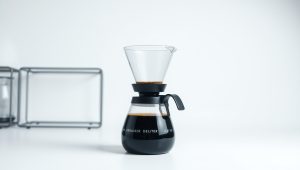
Brewing methods that highlight clarity, such as pour-over and other filter techniques, let an origin’s nuances shine, though any method benefits from fresh beans and a proper ratio near 1:16 with water around 195 to 205 degrees Fahrenheit. Taste each coffee on its own before adding milk or sugar so you can appreciate its character, and keep simple notes on which origins and processing styles you enjoy. Store beans in an airtight, opaque container away from heat, light, and moisture to protect their flavor.
Exploring Origins and Building Your Palate
One of the joys of single-origin coffee is using it to train your palate. Try tasting two origins side by side, such as a bright, floral Ethiopian coffee next to an earthy, full-bodied Sumatran, and the contrast makes each one’s character unmistakable. Keep a simple log of the origins, regions, processing methods, and roast levels you enjoy, and patterns will emerge that guide future purchases. Rotate through different growing regions over time to build a mental map of how geography shapes flavor, from the berry-like brightness of East African coffees to the chocolatey balance of Central America. Tasting each coffee black before adding anything lets you perceive its true profile, turning every bag into a small lesson in coffee’s incredible diversity.
Frequently Asked Questions
What does single origin actually mean?
Single origin means the coffee comes from one identifiable source, such as a single country, region, cooperative, or farm, rather than being blended from multiple origins. This traceability lets the beans express the distinct character of where they grew.
Is single-origin coffee better than a blend?
Neither is strictly better; they serve different goals. Single origins highlight unique, place-specific flavors, while blends aim for balance and consistency. Choose single origin to explore distinct profiles and blends for a dependable, well-rounded cup.
How should I brew single-origin coffee?
Filter methods like pour-over emphasize clarity and let an origin’s nuances shine. Use fresh whole beans, a ratio near 1:16, and water around 195 to 205 degrees Fahrenheit. Taste it black first to appreciate its character.
Why do different origins taste so different?
Soil, altitude, climate, coffee variety, and processing method all shape flavor, much like terroir in wine. That is why Ethiopian coffees can taste floral and fruity while Sumatran coffees taste earthy and full-bodied.
Does roast level affect single-origin flavor?
Yes. Lighter to medium roasts preserve more of a coffee’s origin character and subtle notes, while very dark roasts emphasize roast-driven flavors that can mask the distinctive qualities of a single origin.
Final Thoughts
Single origin coffee is the best way to develop your palate and understand what terroir means in coffee. Start with a washed Ethiopian for floral brightness and a washed Colombian for balanced sweetness — those two origins represent the spectrum of what single origins can offer.