Last updated: September 9, 2026
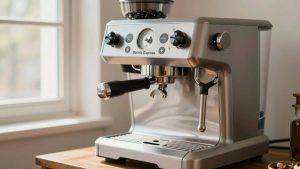
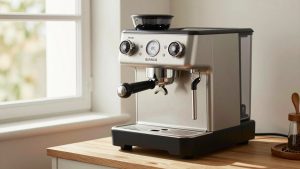
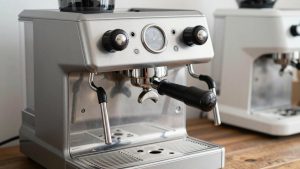
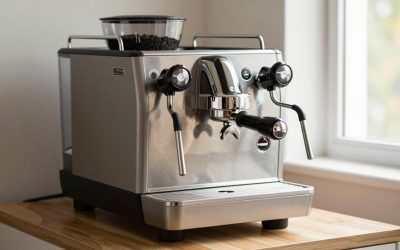
Choosing a rancilio espresso machine for your kitchen counter means committing to a single-boiler workhorse that has defined the prosumer entry point for decades. The Silvia platform is the backbone of Rancilio’s home lineup, and every variant shares the same DNA: a saturated group head, a sturdy stainless body, and a build philosophy that favors longevity over gadgetry. The real question for buyers is not whether Rancilio makes good machines, because it does, but whether the $995 base model is enough or whether the extra controls justify the price jump to the Pro X tier.
What separates a worthwhile purchase from a frustrating one in this category comes down to three things: how much thermal control you actually need, whether the color or finish fits your kitchen, and whether you plan to steam milk frequently. Rancilio’s 2026 lineup spans from the no-frills classic to dual-PID machines with pre-infusion, and owner feedback consistently points to the same dividing lines. This guide compares published specifications, listed prices, and recurring owner observations to help you identify which variant matches your actual workflow.
As an Amazon Associate we earn from qualifying purchases at no extra cost to you.




Quick Picks
| Product | Best for | Price |
|---|---|---|
| Silvia Stainless Steel | First-time prosumer buyers who want the classic | $995 |
| Silvia Pro X (1L, Stainless Steel) | Home baristas who steam milk and pull shots back to back | $2195 |
| Silvia (Iron Frame, SS Side Panels) | Buyers who want the classic Silvia in a compact footprint | $995 |
| Silvia Sage Green | Those who want the base Silvia in a distinctive color | $995 |
| Silvia Pro X (Black) | Dual-PID performance with a matte black finish | $2195 |
| Silvia Black | The base model in black, for dark kitchen setups | $995 |
| Silvia M V6 (White) | Buyers preferring the older M generation in white | $995 |
| Silvia with PID (White) | PID temperature control and pre-infusion without dual boiler | $1199 |
How We Picked
See also: How to Descale an Espresso Machine: Citric Acid vs Vinegar • Best Electric Kettles: Ten Glass, Steel and Gooseneck Picks Compared
We evaluated these machines on four criteria: price-to-performance ratio relative to each variant’s feature set, thermal stability as reflected in owner-reported shot consistency, build durability including finish quality and internal component access, and practical workflow fit for the most common home use cases like single espresso, milk drinks, or both. The goal is to highlight which upgrade tiers deliver proportional gains and which ones offer little beyond aesthetics.
The 8 Best Rancilio Espresso Machines in 2026
Silvia Stainless Steel
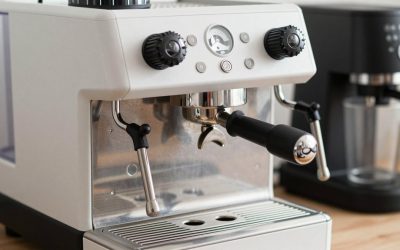
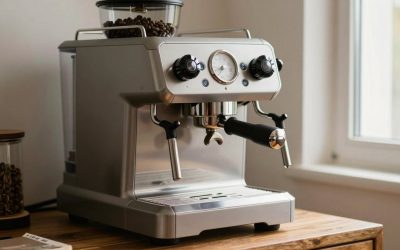
This is the machine that built Rancilio’s reputation in the prosumer home segment, and it remains the most recommended rancilio espresso machine for anyone transitioning from a basic pump unit to something serviceable and durable. Owners consistently praise its saturated group head, which delivers the same extraction stability as machines costing far more.
- Pro: The 58mm group head accepts standard commercial baskets and portafilters, so your accessories carry over if you upgrade later.
- Pro: Widely available parts and decades of community documentation make repairs straightforward.
- Con: No temperature control beyond the single thermostat, meaning you manage heat-up timing manually for optimal extraction.
Skip this if you steam milk more than once daily, because the temperature swing between brew and steam modes adds frustration to an otherwise capable workflow.
Silvia Pro X (1L, Stainless Steel)
The Pro X is Rancilio’s answer to the single-boiler compromise, and it resolves the biggest complaint owners had about the classic Silvia. With a dedicated steam boiler and a brew boiler, you maintain temperature on both simultaneously. The 1-liter capacity on one boiler is a published spec that signals Rancilio designed this for volume without sacrificing recovery speed.
- Pro: Dual PID controllers give you separate temperature targets for brew and steam, eliminating the wait time between pulling shots and steaming.
- Pro: Owners report noticeably better shot-to-shot consistency at the group head, a direct result of the independent brew boiler.
- Con: At $2195, you are paying more than double the base model for a convenience gain that matters primarily if you serve multiple people or run a café workflow at home.
Skip this if you make one or two espresso drinks per day and are willing to wait a minute for the boiler to switch modes.
Silvia (Iron Frame, Stainless Steel Side Panels)
Physically compact at 11.4 by 13.4 inches, this variant suits kitchen corners or smaller counters where the standard Silvia footprint is too wide. The iron frame and stainless side panels match the build quality of the base model, and published pricing confirms it sits at the same $995 tier. Owners who chose this specifically for space constraints report no performance penalty.
- Pro: The smaller footprint is a genuine advantage for tight kitchen layouts without giving up the saturated group head.
- Pro: Stainless panels resist fingerprints better than the painted variants.
- Con: The iron frame, while sturdy, adds weight without adding thermal mass benefit, so the heat-up time is unchanged from the base model.
Skip this if counter space is not a constraint; the base Silvia offers identical performance in a more conventional layout that is easier to service.
Silvia Sage Green
The sage green finish is the most visible change Rancilio made to the Silvia formula in recent years, and at $995 it costs exactly the same as the standard stainless model. With a 2-liter reservoir and 0.3-liter heat exchanger listed in its published specs, the internal configuration is functionally identical to other base Silvias. Owners who selected this color report the same thermal behavior and shot quality as their stainless counterparts.
- Pro: The sage green paint finish gives a warm, modern look that fits lighter kitchen palettes without needing a custom panel kit.
- Pro: The 2-liter reservoir is adequate for several back-to-back pulls without refilling mid-session.
- Con: Painted surfaces are more prone to visible chipping around the steam wand mount area compared to brushed stainless.
Skip this if you value resale or plan to keep the machine in a commercial setting where finish durability matters more than aesthetics.
Silvia Pro X (Black)
Internally identical to the stainless Pro X, this black variant gives buyers the dual-boiler, dual-PID experience in a finish that resists showing water spots and oils from hands. At $2195, the pricing confirms this is a cosmetic option rather than a functional tier. Owners report the same workflow advantages: simultaneous brew and steam, independent temperature targets, and a noticeably improved milk texturing experience over any single-boiler Silvia.
- Pro: Matte black exterior hides water marks and fingerprints better than the stainless version, a small but recurring quality-of-life benefit.
- Pro: The dual boiler eliminates the temperature wait, making this the fastest rancilio espresso machine for serving multiple lattes in sequence.
- Con: No functional difference from the $2195 stainless model means you are paying a premium purely for finish preference.
Skip this if you already own a black grinder and want visual contrast on your counter; the stainless version reads better alongside dark appliances.
Silvia Black
The black-painted base Silvia at $995 is the classic single-boiler formula in a finish that many owners prefer for its understated look. Spec-wise, it matches the stainless base model in every performance category. The primary distinction is cosmetic, and published pricing confirms no premium over the standard colorway.
- Pro: The black coating pairs naturally with modern grinders and dark countertops, reducing visual clutter.
- Pro: Identical internal mechanics to the stainless base, meaning all third-party mods and parts fit without modification.
- Con: Scratches and chips are more visible on black paint than on brushed steel finishes.
Skip this if your kitchen has light surfaces; the black silhouette can look out of place in bright, warm-toned settings where sage green or stainless would integrate more naturally.
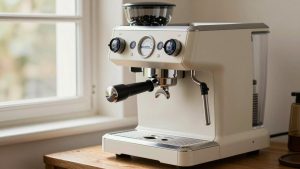
Silvia M V6 (White)
The Silvia M represents the generation before the current refreshed Silvia, and at $995 it is priced identically to newer colorways. White enamel was a signature option in this era, and owners of the M V6 report the same saturated group head performance as later versions. The practical difference is in the control panel layout and the steam wand design, both of which are marginally simpler than the newest base Silvia.
- Pro: The white enamel finish is easier to wipe clean and shows fewer water spots than painted black or green alternatives.
- Pro: The M generation has a large owner community, so troubleshooting guides and mod instructions are well-documented online.
- Con: No PID or digital temperature indication means the same manual heat-up routine that defines the entire single-boiler Silvia family.
Skip this if you want current-generation internals or the updated steam wand geometry; the M is a legacy model that trades some refinement for a lower entry price in white finishes.
Silvia with PID (White)
At $1199, this is the middle path between the base Silvia and the Pro X. It keeps the single-boiler architecture but adds a PID controller for brew temperature, pre-infusion, and a shot timer, features that give you meaningful extraction control without the dual-boiler price. Owners who chose this variant specifically for pre-infusion report improved shot evenness on lighter roasts.
- Pro: Pre-infusion at $1199 is the most affordable way to add a feature that noticeably improves extraction on dense, lightly roasted beans.
- Pro: The PID display removes guesswork from heat-up timing, cutting your morning setup routine from several minutes to a quick glance.
- Con: Single boiler means you still wait for the temperature shift before steaming milk, unlike the Pro X.
Skip this if your priority is milk steaming throughput; the pre-infusion and PID benefits are extraction-focused, and you would get more practical value from the Pro X if you make several milk drinks daily.
Buying Guide
Single Boiler vs. Dual Boiler: The Practical Difference
Every base Silvia variant uses a single boiler that alternates between brew temperature and steam temperature. You pull a shot, wait for the boiler to heat above 100 degrees Celsius, then steam. The Pro X eliminates that wait by running two boilers simultaneously. For one espresso per morning, the wait is negligible. For two or three milk drinks in a row, it is the difference between a pleasant routine and a frustrating one.
PID and Pre-Infusion: When They Actually Help
A PID controller lets you set the brew boiler to a precise temperature and holds it there without cycling. This matters most when you roast light or when you are chasing specific flavor notes. Pre-infusion wets the puck at low pressure before full extraction begins, which reduces channeling on tightly packed or dense coffees. If you buy dark-roast supermarket beans, neither feature changes your cup meaningfully. If you buy specialty roasts online, pre-infusion at the $1199 tier is the most cost-effective entry point in the Rancilio range.
Reservoir Size and Footprint: Matching the Machine to Your Kitchen
The 2-liter reservoir on the base Silvia handles six to eight drinks before refill, which is sufficient for a household of two. The 1-liter boiler spec on the Pro X reflects a separate dedicated brew boiler, not a smaller total water capacity. Physically, the 11.4 by 13.4-inch iron-frame variant is the narrowest option, making it suitable for galley kitchens where the standard Silvia body exceeds available counter depth.
Our Verdict
Our top pick is the Silvia with PID (White) at $1199, because it adds the two most impactful upgrades for specialty coffee, pre-infusion and precise temperature control, at only $200 above the base model. Our budget pick is the Silvia Stainless Steel at $995, which remains the most proven single-boiler rancilio espresso machine and delivers genuinely competitive extraction quality without any digital features. The condition under which the Pro X wins: if you make three or more milk-based drinks per session, the dual boiler transforms your workflow and justifies the $2195 price.
FAQ
Is a rancilio espresso machine worth it over cheaper home units?
Yes, if you plan to make espresso more than a few times per week. Rancilio uses commercial-grade group heads and 58mm portafilters, meaning your grinder, baskets, and tamper are compatible with café-standard accessories. Cheaper machines with proprietary 51mm or 54mm systems lock you into their ecosystem and tend to develop reliability issues within a few years.
Do I need PID on a Silvia?
Not strictly, but it helps significantly if you use light roasts or want repeatable results without timing heat-up by feel. The base Silvia relies on a thermostat that cycles the boiler, and owners learn to read the temperature by the sound and pressure of the first pour. PID removes that learning curve and gives you a visible number to dial in.
What is the difference between the Silvia M and the current Silvia?
The M is the previous generation with slightly different panel design and steam wand geometry. Internally, both share the same single boiler, saturated group head, and 58mm portafilter. Performance in the cup is very close; the differences are mostly cosmetic and in minor ergonomic details.
How long should a Rancilio Silvia last?
Owner reports on machines five to ten years old are common, and the primary failure point is the thermostat or pump, both of which are inexpensive and widely available. Rancilio still supports the platform with parts, so a well-maintained unit can outlast several cheaper machines that are replaced rather than repaired.