Last updated: October 2, 2026
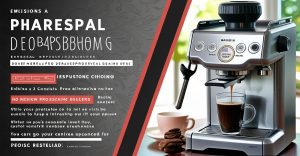
The first use of the Breville Barista Express is less about pressing a button and more about setting up a repeatable routine. The machine combines a grinder, espresso brewer, and steam wand, so there are several adjustments to make before the coffee tastes right. Give yourself 30–45 minutes for setup, including cleaning and dialing in the grinder.
Quick answer: Our top pick in 2026 is the Very fast, pale, sour shot — our #1 rated choice. See the full ranked comparison, alternatives and buying advice below.
Before you start
Remove the machine, portafilter, filter baskets, water tank, bean hopper, tamper, milk jug, and cleaning accessories from the box. Keep the packaging until you know the machine works properly.
You will get better results with fresh whole beans rather than pre-ground coffee. Choose a medium or medium-dark espresso roast at first; very light roasts can be harder to dial in on a beginner setup, while very dark oily beans can make the integrated grinder messy and may clog the burr area over time. If you need beans, browse whole-bean espresso coffee.
A small digital scale is also useful. The Barista Express can produce drinkable espresso without one, but a scale makes it much easier to tell whether a bad shot came from too much coffee, too little coffee, or the wrong grind size. A basic coffee scale with a timer is sufficient; you do not need an expensive café model.
Initial setup and rinsing
See also: Breville Bench Saver • Rocket Espresso Coffee Machine
Wash the removable parts in warm water and dry them. Do not immerse the machine itself. Fit the water filter into its holder if your model includes one, following the instructions for soaking and installing it. Fill the tank with fresh, cool water and lock it into place.
Leave the portafilter empty for the first rinse. Turn the machine on and allow it to heat. Run several brewing cycles without coffee, emptying the water from the cup each time. Also run the hot-water function briefly. This flushes manufacturing residue from the water path and warms the portafilter.
Before adding beans, run the grinder briefly to clear any packing dust. Install the hopper, add a small amount of beans, and lock the hopper in place. Avoid filling it completely during your first attempts. Keeping the hopper partly filled makes it easier to change beans or remove stale coffee later.
Making your first espresso
Start with the supplied double-wall filter basket if you are new to espresso. These pressurized baskets are more forgiving of grind and tamping errors. Once you can make consistent drinks, switch to the single-wall basket for more control and a cleaner test of your beans and technique.
Set the grinder to a middle setting within its available range. Breville has sold several Barista Express versions, so the number printed on the dial may differ. Select the double-shot grind setting and adjust the grind amount toward the middle. Grind into the portafilter, distribute the coffee with a light tap or your finger, and tamp level with firm, even pressure.
Lock the portafilter into the group head and press the double-shot button. The machine should pre-infuse, then extract espresso. For a useful starting point, aim for roughly 18 grams of coffee producing about 36 grams of espresso in around 25–35 seconds. These are guidelines, not fixed rules: the basket, roast, and your taste all matter.
| What you see | Likely cause | Next adjustment |
|---|---|---|
| Very fast, pale, sour shot | Grind is too coarse, dose is low, or coffee is stale | Grind finer and check the amount of coffee |
| Very slow, bitter shot | Grind is too fine, dose is high, or the puck is over-tamped | Grind coarser and reduce the dose slightly if needed |
| Water sprays from the portafilter | Portafilter is not locked in, basket is dirty, or coffee is unevenly distributed | Clean the basket, distribute the grounds, and lock the handle fully |
| Shot tastes uneven or harsh | Channeling from clumps or an angled tamp | Spread the grounds evenly and tamp level |
Change only one thing at a time. The grinder should be adjusted while it is running, using the small amounts recommended in the manual. A single notch can make a noticeable difference. If the grind setting is already near the finest end and the shot still runs quickly, use fresher beans or increase the dose slightly. If the machine chokes and barely produces coffee, go coarser.
Using the steam wand for the first time
Start with cold milk and fill the supplied jug only to the bottom of the spout. Purge the wand for a few seconds before steaming, then place the tip just below the milk surface. Open the steam control fully. You should hear a gentle paper-tearing sound as air enters the milk; loud bubbling means the tip is too high.
Once the jug feels warm, lower the tip slightly and continue heating while creating a whirlpool. Stop before the jug becomes too hot to hold comfortably. Purge the wand again immediately and wipe it with a damp cloth. Dried milk is one of the easiest ways to block the steam tip.
The Barista Express uses a manual steam wand, so it takes practice to produce smooth microfoam. If you mainly want large milk drinks with minimal learning, a fully automatic espresso machine with a milk frother is easier, though it usually offers less control and can be harder to clean internally. For occasional cappuccinos, the Express’s manual wand is capable; it is not the fastest route to café-style texture on day one.
Cleaning after the first use
Knock out the coffee puck, rinse the basket and portafilter, and run a short flush through the group head. Empty the drip tray before it becomes full. Purge and wipe the steam wand every time you steam milk. Brush loose grounds from the grinder area rather than washing those parts.
Do not use soap in the water tank or put the portafilter in the dishwasher unless your manual specifically permits it. The machine will eventually prompt for cleaning or descaling. Follow those prompts and use the recommended cleaning tablet or descaling solution. Hard water increases maintenance, so filtered water can be worthwhile, but it does not eliminate descaling.
Is the Barista Express a good first machine?
It suits someone who wants fresh-ground espresso and is willing to learn a short routine. Its integrated grinder saves counter space and avoids buying two machines immediately. The trade-off is that the grinder and brewer cannot be upgraded independently, and the manual steam wand requires practice.
If convenience matters more than adjustment, a pod machine or superautomatic is the better fit. If you already own a good grinder, a separate espresso machine may offer more flexibility for similar money. The cheaper option is fine when you drink mostly basic coffee, use milk occasionally, or do not care about controlling every variable. Choose the Barista Express when the process itself is part of what you want.
FAQ
Should I use the single-wall or dual-wall basket first?
Use the dual-wall basket for the first few shots because it is more forgiving. Move to the single-wall basket once you have fresh beans and want to learn proper grind adjustment.
Why is my first espresso shot watery?
The grind may be too coarse, the dose may be too small, or the beans may be stale. Grind finer in small steps and check that the portafilter contains a consistent amount of coffee.
Do I need a separate grinder?
No. The built-in grinder is adequate for starting out and keeps the setup compact. A separate grinder becomes worthwhile if you want finer control, switch between beans often, or later upgrade the espresso machine.
Can I leave beans in the hopper?
Yes, but keep the hopper away from heat and sunlight. For the best flavor, store extra beans in an airtight container and fill the hopper with only what you expect to use soon.
Ready to decide? Our #1 pick for 2026 is the Very fast, pale, sour shot.
Live price & availability on Amazon.