Last updated: October 2, 2026
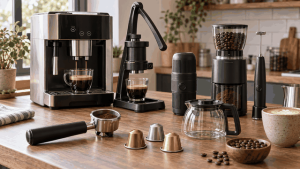
Finding the best home espresso machine under $200 means accepting a few limits. At this price, you can make enjoyable espresso and milk drinks, but you will not get the temperature stability, grinder, or automation found on more expensive machines. The best choice depends on whether you want a small manual machine, a faster pod-style experience, or a simple coffee maker that happens to produce concentrated coffee.
For most beginners, a compact pump espresso machine with a steam wand is the best value. It gives you control over the coffee, works with pre-ground espresso, and leaves room to improve later with a better grinder. If convenience matters more than learning the process, a capsule machine may be the better buy—even if its drinks are less adjustable.
The best choices under $200
| Type | Best for | Main advantage | Main compromise |
|---|---|---|---|
| Compact manual pump machine | Beginners who want real espresso | Low cost and reusable coffee | More dialing-in and cleanup |
| Entry-level machine with a steam wand | Lattes and cappuccinos | Can texture milk without extra equipment | Basic wands can be slow or inconsistent |
| Capsule espresso machine | Speed and repeatability | Minimal mess and simple operation | Higher ongoing capsule cost and less control |
| Manual lever machine | Hands-on coffee hobbyists | Quiet, simple brewing mechanism | Requires more technique and usually lacks milk steaming |
Best overall: a compact manual pump espresso machine
See also: Breville Bench Saver • Rocket Espresso Coffee Machine
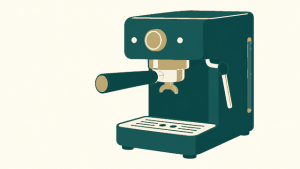
A small manual machine from De’Longhi, such as the Stilosa range when available at this price, is a sensible starting point. These machines generally use a pressurized portafilter, which helps produce crema even when your coffee grind is not perfectly dialed in. That makes them more forgiving than a commercial-style machine with an unpressurized basket.
Expect a compact body, a removable water tank, a basic single or double filter basket, and a steam wand. The pump can make a concentrated shot suitable for an americano, latte, or cappuccino, but it will not match the clarity and consistency of a higher-end machine. The included tamper is often functional rather than excellent, and the plastic-heavy construction is part of keeping the price low.
This is the best choice for someone who wants to learn the basic routine without spending heavily. Buy compact manual espresso machines with steam wands if you are willing to grind or measure coffee, lock in a portafilter, and rinse the machine after each use.
The common failure mode is expecting the machine to compensate for stale or poorly ground coffee. It cannot. Pre-ground coffee can work, but fresh coffee ground for espresso usually makes a bigger difference than upgrading between similarly priced machines.
Best for milk drinks: an entry-level machine with a steam wand
If your regular order is a latte or cappuccino, prioritize the steam wand rather than a slightly more elaborate control panel. Machines in this price bracket typically use a single boiler or thermoblock system, so brewing and steaming happen one after the other. You may need to wait between pulling the shot and steaming the milk.
That delay is normal. The bigger issue is wand performance. Budget wands can produce large bubbles instead of fine, glossy microfoam, particularly if they use a sleeve designed for beginners. You can still make pleasant milk drinks, but expect a learning period and less flexibility with very small milk quantities.
An entry-level machine is a good fit for a couple who makes one or two milk drinks at a time. It is a poor fit for entertaining a crowd. After several drinks, the machine may need recovery time, and the small water tank can become inconvenient.
Choose an espresso machine with a milk steamer when you want café-style drinks but do not need to prepare several in quick succession. A separate stainless-steel pitcher is often worth adding, since the included pitcher may be small or difficult to read while steaming.
Best for convenience: a capsule espresso machine
Capsule machines are the easiest option under $200. Insert a capsule, press a button, and the machine handles the dose and grind. This solves the most frustrating part of entry-level espresso: inconsistent coffee preparation. It also makes the machine easier to share with other people in the household.
The trade-off is ongoing cost and reduced control. You cannot normally adjust the coffee dose, grind size, or freshness. Capsule recycling also depends on the brand and your local facilities. Drinks tend to be consistent, but they may taste flatter than espresso made from freshly ground beans.
A capsule machine makes a good gift for someone who values speed, has limited counter space, or does not want another hobby. It is also reasonable for an office or guest room. Before buying, check whether the machine uses a capsule format that is easy to find and whether compatible capsules are widely available.
Shop capsule espresso machines if convenience is more important than experimenting with coffee. The cheaper option is fine here: spending more may improve speed, appearance, or milk features, but it does not remove the basic capsule cost.
What to check before buying
Portafilter and basket design
A pressurized basket is forgiving and usually the right choice for beginners using supermarket or pre-ground coffee. An unpressurized basket can produce better results with a capable grinder, but it exposes every mistake in grind size, dose, and tamping.
Water tank and counter space
Measure the depth as well as the width. Some compact machines fit beneath cabinets only if you remove the tank from the top. A tank around one liter is adequate for occasional use, though steaming and rinsing consume more water than many first-time buyers expect.
Heating and recovery
Ignore claims about high pump pressure as a buying shortcut. Espresso quality depends on the whole system, including temperature control, coffee preparation, and the basket. Under $200, look for clear instructions and realistic capacity rather than impressive pressure numbers.
Cleaning
Every option needs routine maintenance. Rinse the portafilter after brewing, purge and wipe the steam wand immediately after milk use, empty the drip tray, and descale according to the manual and your water conditions. Neglecting the wand is one of the fastest ways to create a hygiene and performance problem.
What else you need in the budget
If you spend the entire budget on the machine, you may be disappointed. A basic burr grinder suitable for espresso can cost as much as the machine itself. If that is not possible, buy fresh pre-ground coffee in small quantities, use the pressurized basket, and avoid opening a large bag that will sit for months.
You will also need a small scale if you want repeatable results, plus a milk pitcher if you plan to steam. A scale is more useful than decorative accessories because it helps you track how much coffee and water you are using. Keep at least $20 to $60 aside for coffee, a pitcher, and basic cleaning supplies.
FAQ
Can a machine under $200 make real espresso?
Yes, but results vary more than with expensive machines. Use fresh coffee, the correct basket, and realistic expectations about consistency.
Should I buy a grinder or a better espresso machine first?
If you already own a suitable espresso grinder, a better machine can make sense. Otherwise, start with a forgiving machine and improve the grinder when your budget allows.
Are capsule machines cheaper than manual machines?
The machine may be cheaper initially, but capsules usually cost more per drink than beans or pre-ground coffee. Convenience is the main reason to choose one.
Is a cheap espresso machine good for beginners?
Yes, if you choose a simple model with a pressurized basket and accept some learning. Avoid buying one solely because it advertises high pressure or many automatic buttons.