Last updated: October 2, 2026
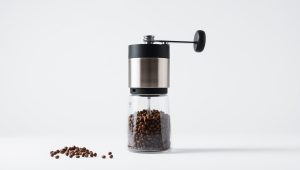
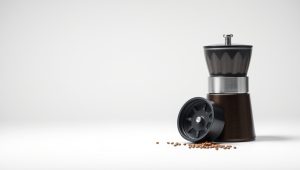
Quick answer: For most people in 2026, the best grinder for gaggia classic is the Manual espresso grinder — our #1 rated choice. See the full ranked comparison, alternatives and buying advice below.
What matters with a Gaggia Classic
The Gaggia Classic is capable of making good espresso, but its pressurized basket can make a mediocre grinder seem better than it is. If you’re using the standard pressurized basket, you can get acceptable results with a wider range of grinders. For the best control over flavor and extraction, use the non-pressurized basket and a grinder that can make fine, consistent adjustments.
For most Classic owners planning to dial in espresso, a dedicated espresso-capable burr grinder is the sensible buy. Look for small, repeatable grind adjustments, low retention, and parts or support that are easy to get. A grinder that also handles filter coffee can be useful, but switching between brew settings may mean purging a little coffee and re-dialing your shot.
Quick picks by need
See also: Best Espresso Grinders for Home: Burr Size, Workflow and Budget Matched • Breville Smart Grinder Espresso
| Grinder type | Best for | Main trade-off |
|---|---|---|
| Manual espresso grinder | Lower cost, quiet grinding, and occasional shots | Hand effort; slow for several drinks |
| Electric espresso grinder | Daily espresso and easy workflow | Higher cost and counter space |
| Grinder with broad brew range | Espresso plus filter coffee | May be slower to switch and less convenient to dial in |
| Basic grinder for a pressurized basket | Keeping the setup inexpensive | Limited control if you later move to a non-pressurized basket |
Best fit for most owners: an espresso-focused electric burr grinder
If you make espresso most days, an electric grinder is usually the easiest match for the Gaggia. It saves time, makes dosing repeatable, and lets you adjust the grind without turning each shot into a workout. Choose one explicitly suited to espresso rather than assuming that any burr grinder can grind fine enough.
Pay attention to adjustment steps. If one setting runs too fast and the next chokes the machine, the grinder’s adjustment range may be too coarse for your beans and basket. This is a common frustration when moving from pressurized to non-pressurized brewing. A grinder with finer adjustments gives you more room to correct shot time as coffee ages or you change beans.
This category suits a daily espresso drinker who wants a dependable routine and expects to use the Classic’s non-pressurized basket. It costs more and takes up more space than a hand grinder. Before buying, check whether the grinder’s dosing setup fits your workflow: some are designed to grind into a portafilter, while others work better with a separate dosing cup.
Compare espresso burr grinders by adjustment range, retention, and cleaning access, not just motor power or the number of grind settings listed.
Best lower-cost choice: a manual grinder
A capable manual burr grinder can make espresso without the price, noise, or counter footprint of an electric model. It’s a good fit if you make one or two drinks at a time, don’t mind grinding by hand, and want to spend more of your budget on coffee or other equipment. It can also be a sensible starting point while you learn to dial in the Classic.
The catch is effort. Espresso requires a fine grind, and some hand grinders are tiring or slow at that setting, especially with light-roasted beans. A grinder that works well for pour-over isn’t automatically suitable for espresso. Check that espresso use is supported and that the adjustment mechanism offers small, repeatable changes. If you regularly make drinks for a household, the time and effort may become tiresome.
For occasional use or a tight budget, a manual grinder made for espresso can be a better buy than a cheap electric grinder with inconsistent settings.
When a basic grinder is enough
If you intend to keep using the Classic’s pressurized basket, you may not need to buy a premium espresso grinder. The basket creates resistance itself, so it can produce crema and a drinkable shot even when the grind isn’t perfectly matched. A modest burr grinder may be enough if you’re using pre-ground coffee or don’t plan to fine-tune extraction.
That’s a real cost-saving option, not a mistake. The compromise is less control: the basket can hide some differences in grind quality, and dialing in the coffee becomes harder. If you later switch to a non-pressurized basket, an entry-level grinder may stall, lack fine adjustment, or produce uneven grounds that make shots run too fast or taste harsh. Avoid buying twice by choosing a grinder for the basket you expect to use in a year, not only the one in the box.
Common mismatches to avoid
Buying for espresso by burr type alone: Burrs matter, but adjustment precision and consistency matter too. A grinder can have burrs and still be a poor espresso match.
Choosing a filter-first grinder for frequent espresso: Some grinders cover multiple brew methods, but switching settings can be fiddly. Retained grounds may also mean the first dose after a change isn’t quite at the new setting. If you switch often, ask whether the grinder is easy to adjust and clean.
Assuming more settings always means better control: A large setting count is useful only if the steps are repeatable and fine enough near espresso range. A clear, stable adjustment mechanism is more helpful than impressive numbers.
Ignoring workflow: A loud grinder, messy grounds, or awkward portafilter fit can matter more in everyday use than a small difference in shot quality. Think about where it will sit and how you’ll catch and weigh the dose.
A practical buying checklist
Before choosing, decide whether you’ll use a pressurized or non-pressurized basket, how many drinks you make in a row, and whether you also brew filter coffee. Then check for espresso-capable fine adjustment, manageable retention, cleaning instructions, and replacement-part availability. If you can, buy from a seller with a clear return policy; a grinder that cannot reach a usable shot setting is a poor match, whatever its reviews say.
Spend enough to avoid a frustrating mismatch, but don’t pay for features you won’t use. For a Classic used mainly with its pressurized basket, a modest option can be fine. For daily non-pressurized espresso, a grinder built to make precise adjustments is worth prioritizing.
FAQ
Can I use pre-ground coffee with a Gaggia Classic?
Yes, especially with the pressurized basket. For a non-pressurized basket, fresh coffee ground immediately before brewing gives you much more control.
Do I need an espresso grinder for the stock basket?
Not necessarily. The pressurized basket is more forgiving, so a less specialized grinder may work. An espresso-capable grinder matters more if you switch to a non-pressurized basket.
Is a manual grinder good enough for espresso?
It can be, if it is designed for espresso and you’re comfortable grinding by hand. It’s best for one or two drinks at a time rather than a busy household routine.
Should I buy a grinder that also does filter coffee?
Only if you’ll use that flexibility. It saves buying a second grinder, but switching between espresso and filter settings can add time and require a little purging or re-dialing.
Ready to decide? Our #1 pick for 2026 is the Manual espresso grinder.
Live price & availability on Amazon.