Last updated: October 2, 2026
What Breville Actually Sells (and What It Doesn’t)
Breville makes two things worth discussing in this space: standalone grinders and espresso machines with grinders built in. There’s no “Breville coffee maker and grinder” bundle — you’re either buying a grinder on its own, or a machine where the grinder is baked in. That distinction matters more than most buyers realize, because the grinder is the part that determines whether your espresso tastes good or just tastes expensive.
The three products that come up constantly are the Smart Grinder Pro (Breville’s flagship standalone grinder), the Dose Control Pro (the cheaper standalone), and the Barista Express (the all-in-one espresso machine that made Breville famous in home kitchens). Each suits a different buyer.
The Standalone Grinders
See also: Best Espresso Grinders for Home: Burr Size, Workflow and Budget Matched • Breville Smart Grinder Espresso
The Smart Grinder Pro is a conical burr grinder with 60 grind settings, a timed dosing system, and enough range to cover espresso through French press. It grinds directly into a portafilter cradle or the included container. The honest trade-offs:
- Strengths: Wide grind range, consistent enough for espresso at this price, easy to adjust, minimal retention if you brush it out.
- Weaknesses: The plastic impeller (the part that sweeps grounds out) is a known wear item — it eventually degrades, especially if you grind fine and oily beans daily. Replacements are cheap, but budget for one after a couple of years. It also runs a bit static-prone with dry, light-roast beans.
The Dose Control Pro sits below it: same burr set, fewer settings, a simpler timer. If you’re grinding for drip or French press only, it’s the sensible buy. For espresso, the coarser step spacing means you’ll sometimes land between settings — fine espresso dialing wants tighter increments.
If you want a standalone unit, the Smart Grinder Pro is the one to get — the extra settings are what let you actually dial in a shot rather than approximate it.
The Barista Express: Grinder + Machine in One
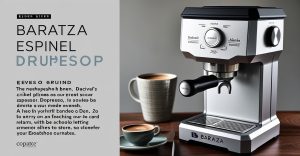
The Barista Express puts a conical burr grinder in the top of a capable espresso machine, with grind size adjustment on a side dial and dose control via a grind-time knob. It grinds straight into the portafilter — genuinely convenient, and it saves counter space.
The trade-off is adjustment range. The built-in grinder has 16 external settings plus a smaller internal adjustment ring on the burr itself. That’s enough for most medium and dark roasts, but light roasts — which need very fine grinds and small steps — can push it to its limit. You also can’t upgrade the grinder later; if you outgrow it, you either live with it or buy a separate grinder anyway.
Who it suits: someone buying their first espresso setup who wants one box, one footprint, and espresso that’s clearly better than pod machines. Who it doesn’t: someone already chasing specific light-roast profiles — they’ll want a dedicated grinder from day one.
The Barista Express makes sense as a complete starter setup; buying it alongside a separate grinder on day one is redundant unless you know you’ll outgrow the built-in one fast.
Head-to-Head
| Smart Grinder Pro | Dose Control Pro | Barista Express (built-in) | |
|---|---|---|---|
| Grind settings | 60 | 60 (coarser steps) | 16 external + internal ring |
| Espresso dialing | Good | Marginal | Adequate for medium/dark roasts |
| Drip / French press | Good | Good | N/A (espresso only) |
| Upgrade path | Pair with any machine | Pair with any machine | None — tied to the machine |
| Best for | Serious home espresso, mixed brewing | Budget drip/press grinding | First-time all-in-one buyers |
Common Failure Modes to Know
No product on this list is immortal, and the failure points are predictable:
- Impeller wear (Smart Grinder Pro): Grounds back up and the chute clogs. Cheap fix, but it surprises people.
- Oily bean buildup: Dark, oily roasts coat the burrs and chute in all three products. Brush weekly or expect stale-tasting, slow grinds.
- Barista Express solenoid and steam components: The machine side has its own wear parts. Descale on schedule — scale kills these machines faster than anything else.
- Static: Light roasts in dry climates throw grounds everywhere. A tiny spritz of water on beans before grinding (RDT) largely fixes it.
When the Cheaper Option Is Fine
If you drink drip, pour-over, or French press, buy the cheapest decent burr grinder you can find — including the Dose Control Pro — and spend the difference on better beans. Brew methods outside espresso are forgiving. Espresso is not: it punishes inconsistent particle size and coarse adjustment steps. So the rule is simple — cheap out on brew grinding, don’t cheap out on espresso grinding.
Similarly, if budget is tight and you want espresso, a used or entry machine paired with a dedicated espresso grinder beats a fancier machine with a weak grinder every time. The grinder is where the money should go.
FAQ
Is the Breville Smart Grinder Pro good enough for espresso?
Yes, for most home setups. Its fine-stepped adjustments let you dial in shots properly. It’s not a specialist espresso grinder — serious single-dose grinders beat it on consistency — but paired with a mid-range machine it won’t be your bottleneck.
Should I buy a Barista Express or a separate machine and grinder?
The Express if you want simplicity and counter space savings now. Separate pieces if you already suspect you’ll get obsessive about espresso — you’ll want to upgrade the grinder before the machine.
How often do Breville grinders need cleaning?
Brush the burrs and chute weekly if you use oily beans, monthly otherwise. A clogged chute is the most common complaint and it’s almost always maintenance neglect, not a defect.
Does Breville make a grinder for drip coffee makers?
Both standalone grinders handle drip well — the Dose Control Pro is the budget pick if espresso isn’t in your plans.