Last updated: October 2, 2026
Finding the best coffee machine under $500 depends less on the number of buttons and more on the coffee you actually drink. A compact espresso machine can make convincing lattes and cappuccinos, but it needs grinding, tamping, milk steaming, and cleaning. A pod machine is easier and more consistent, while a drip coffee maker is the better choice for several mugs at once.
At this price, you can buy a capable machine, but compromises are unavoidable. The most useful question is whether you want café-style espresso, fast convenience, or a full pot of uncomplicated coffee.
The best choices at a glance
| Machine type | Best for | Main advantage | Main drawback |
|---|---|---|---|
| Manual espresso machine | Milk drinks and hands-on brewing | Best espresso potential under $500 | Requires a suitable grinder and practice |
| Super-automatic espresso machine | One-touch espresso and coffee | Convenient, fresh-ground drinks | Less control and weaker milk texture than manual brewing |
| Pod espresso machine | Speed and consistency | Very easy to use and clean | Higher ongoing cost and more packaging |
| Drip coffee maker | Black coffee for multiple people | Large batches with minimal effort | Does not make true espresso |
Best for espresso drinks: a manual espresso machine
See also: Breville Bench Saver • Rocket Espresso Coffee Machine
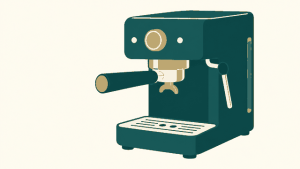
If your regular order is a latte, cappuccino, flat white, or americano, start with a manual espresso machine with a milk wand. This category offers the most control and usually the best drink quality for the money.
The catch is that the machine is only one part of the setup. You also need an espresso-capable grinder. Pre-ground coffee can work in a pressurized basket, but freshly ground beans normally produce better flavor and more crema. If your entire budget is $500, spending $300 on the machine and $200 on a grinder may produce a better result than spending the full amount on the machine alone.
These machines are suitable for buyers who enjoy a short morning routine and do not mind learning a few variables: grind size, dose, tamping, brew time, and milk temperature. They are less suitable if you want to press one button and walk away.
Common failure modes include sour or thin espresso from coffee ground too coarsely, bitter shots from grinding too finely or brewing too long, and watery milk from poor steaming technique. A small water tank and slow heat-up can also become irritating in a busy household. Check tank access, cup clearance, and whether the machine can brew and steam without awkward delays.
Best for convenience: a pod espresso machine
For a single drink before work, a pod espresso machine is often the sensible choice. It eliminates grinder calibration, dosing, and tamping. Results are repeatable, and cleanup is usually limited to ejecting the capsule and rinsing the drip tray.
This is the category where the cheaper option is often fine. If you drink one or two espresso-sized beverages daily and value speed more than dialing in fresh beans, a basic capsule machine can be a better purchase than a neglected manual machine. It also suits occasional users, small kitchens, and households where different people want different blends.
The trade-offs are ongoing capsule expense, less control over freshness, and additional waste. Milk systems also deserve scrutiny. A built-in milk frother is convenient, but it adds parts that need frequent cleaning and may create airy foam rather than smooth microfoam. A separate handheld frother is less elegant but easier to replace and maintain.
Best for fresh-ground convenience: a super-automatic espresso machine
A super-automatic machine grinds beans, doses coffee, brews a shot, and dispenses it with a button press. Under $500, models in this category are usually entry-level, so expect basic controls rather than highly adjustable recipes. A bean-to-cup espresso machine makes sense for someone who wants fresh-ground coffee without manual preparation.
These machines suit busy households and users who want espresso or long coffee without learning barista technique. They can also be a good compromise for couples: one person can use an automatic program while another later adjusts the grind or strength.
Do not expect the same espresso quality as a carefully prepared manual shot at the same price. The grinder, brewing group, and milk system are packed into a small appliance, and milk drinks may use a basic frothing attachment. Some machines produce a drink that is closer to strong coffee than café espresso.
Maintenance is the main risk. You still need to empty the grounds container, rinse internal parts, clean the brew group where removable, and descale when required. If you ignore those tasks, flavor and reliability decline. Choose a machine with accessible parts and clear cleaning instructions rather than one with the longest list of drink presets.
Best for a full pot: a drip coffee maker
If you mainly drink black coffee, skip espresso entirely and buy a programmable drip coffee maker with a thermal carafe. It is the strongest value under $500 for two or more people who want several cups at once.
A good drip machine is easier to operate, less expensive to maintain, and generally more forgiving than an espresso machine. Look for a thermal carafe, a removable filter basket, a programmable start time, and a showerhead that wets the coffee evenly. A hot plate is acceptable, but leaving coffee on it for a long time can produce a dull, cooked taste.
The limitation is obvious: drip coffee cannot produce concentrated espresso or properly textured steamed milk. Some machines include a strength setting, but that changes the brewing process rather than turning regular coffee into espresso. For iced coffee, batch brewing is also practical, though you may need a stronger recipe to prevent melting ice from diluting it.
What to prioritize before buying
Budget for the whole setup. With manual espresso, include a grinder, tamper if needed, milk pitcher, and cleaning supplies. A machine that consumes the entire budget may leave you unable to use it well.
Check capacity and workflow. A small tank is not a problem for one user, but it becomes tiresome when several people make drinks. For drip coffee, consider carafe size and whether the basket is easy to remove without spilling grounds.
Think about cleanup honestly. Espresso machines need rinsing after brewing and wiping after steaming. Automatic machines need internal cleaning. Pod machines are easiest day to day but still require descaling. The best machine is the one you will maintain.
Avoid paying for unused presets. More buttons do not necessarily mean better coffee. Temperature control, grinder quality, stable brewing, and accessible cleaning parts matter more than a long menu of drinks.
FAQ
Is $500 enough for a good espresso machine?
Yes, especially for a manual machine, but reserve some money for a capable grinder. A $500 machine without a suitable grinder may deliver worse results than a less expensive machine paired with better coffee preparation.
Should I buy an espresso machine or a drip coffee maker?
Buy an espresso machine for concentrated drinks and milk beverages. Choose a drip coffee maker if you want several mugs of black coffee with minimal effort.
Are pod machines cheaper in the long run?
Usually not. The machine may cost less initially, but capsules generally cost more per serving than whole beans or ground coffee. They can still be worthwhile if convenience and consistent results matter most.
Do I need a grinder for a manual espresso machine?
You can use pre-ground coffee, particularly with a pressurized basket, but a grinder designed for espresso gives you much more control. It is one of the most important parts of the setup.