Last updated: October 2, 2026
Bene Casa espresso makers appeal to shoppers who want a low-cost way to make concentrated coffee at home without committing to a premium machine. The brand has sold several compact espresso and moka-style appliances, so the first step is checking the exact listing: Bene Casa products can differ in capacity, heating method, pressure, and whether they include a steam wand.
That matters because “espresso maker” is used loosely in this price range. A stovetop Bene Casa moka pot makes strong brewed coffee, but it does not produce true pump espresso. An electric Bene Casa machine may use a small pump and offer a steam wand, but its low price usually means slower brewing, less temperature control, and lighter construction than a dedicated espresso machine.
What is a Bene Casa espresso maker?
Bene Casa is a value-focused kitchenware brand rather than a specialist espresso-machine manufacturer. Its espresso products are generally aimed at occasional home use, small kitchens, first-time buyers, and shoppers who want cappuccinos without spending several hundred dollars.
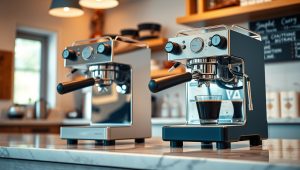
Some models are compact electric machines with a portafilter, water reservoir, brew controls, and a manual steam wand. Others are stovetop brewers with a lower chamber, filter basket, and upper collection chamber. These two types produce noticeably different drinks:
- Electric models: More convenient for espresso-style shots and milk drinks, but inexpensive machines can struggle with consistent temperature and pressure.
- Stovetop models: Simple, inexpensive, and easy to store. They make strong moka coffee rather than café-style espresso, with no crema-producing pump.
Before buying, confirm whether the product listing says “electric,” “stovetop,” or “moka.” Also check the cup rating carefully. On small coffee makers, one “cup” often means a small espresso-sized serving, not a standard 8-ounce mug.
How well does it make coffee?
See also: Breville Bench Saver • Rocket Espresso Coffee Machine
A Bene Casa electric espresso maker can be satisfactory when used with fresh coffee, the correct grind, and modest expectations. It is most likely to produce a small, strong cup suitable for a latte or cappuccino. It is less likely to match the sweetness, body, and repeatability of a better-built machine with stable temperature control and a proper 9-bar brewing profile.
The grinder matters as much as the brewer. Pre-ground supermarket coffee may be stale or ground too coarsely, resulting in a thin shot. Grinding too fine can choke a small pump, producing only drips or forcing water around the edge of the coffee puck. A basic espresso coffee grinder is a more useful upgrade than buying decorative accessories.
Milk steaming is another point of compromise. A small steam wand may heat milk adequately for a casual cappuccino, but it may deliver wet steam and take longer than a larger machine. It can be difficult to create silky microfoam, especially if the wand is a simple frothing attachment rather than a full manual steam tip. If you mainly drink large lattes, an inexpensive electric milk frother may be easier and more consistent.
Bene Casa versus the alternatives
| Option | Best for | Main advantage | Main drawback |
|---|---|---|---|
| Bene Casa electric espresso maker | Occasional espresso and milk drinks | Low entry price and compact size | Limited consistency, power, and durability |
| Bene Casa stovetop moka maker | Strong coffee without electricity | Simple design and inexpensive operation | Not true espresso; no milk steaming |
| Entry-level pump espresso machine | Regular espresso drinkers | Better controls and more capable brewing | Costs more and needs a grinder |
| Pod espresso machine | Speed and minimal cleanup | Consistent portions and simple operation | Ongoing pod cost and less control |
The cheaper Bene Casa option is fine if you make coffee a few times a week, mostly add milk or sugar, and want to keep the purchase near the budget end. It is also reasonable for a dorm, office, guest room, or second kitchen where a machine may see light use.
Consider an entry-level espresso machine instead if you expect to make two or more drinks every day, care about dialing in different coffees, or want equipment that is easier to repair and upgrade. The initial price is higher, but frequent users often get better value from a machine with a more capable portafilter, sturdier controls, and a serviceable design.
Common problems and failure modes
The most common complaint with inexpensive espresso makers is inconsistency. The first shot may be acceptable while the next is weak, bitter, or watery. This can result from insufficient warm-up, changing grind size, uneven tamping, or a machine that cannot hold a stable brewing temperature.
Other issues to watch for include:
- Leaking around the portafilter: Usually caused by an overfilled basket, a dirty sealing surface, or a worn gasket. A basket that is too full can prevent the handle from locking correctly.
- Very slow brewing: The grind may be too fine, the coffee may be packed too firmly, or the filter screen may be clogged.
- Weak coffee: Preheating the machine, using fresher beans, and weighing the dose can help, but there is a limit to what a small budget machine can extract.
- Poor steam: Let the machine fully heat before steaming and purge the wand afterward. If steam remains weak even with clean equipment, the machine may simply have a small boiler or thermoblock.
- Scale buildup: Hard-water deposits can reduce flow and shorten the machine’s life. Follow the manual’s descaling instructions rather than assuming a household cleaner is safe.
Do not leave water sitting in the reservoir for long periods, and wipe the brew area after use. Milk residue on a steam wand hardens quickly and can become difficult to remove.
What to check before buying
Look for a clear return policy and recent customer feedback about leaking, heating, and replacement parts. A low sticker price is less attractive if the gasket, filter basket, or carafe cannot be replaced.
For an electric model, check the water-reservoir size, included basket types, steam-wand design, and whether the machine accepts ground coffee only. For a stovetop model, check material compatibility with your cooktop, especially if you use induction. Many aluminum moka makers will not work directly on induction without an adapter.
If you want the simplest route to concentrated coffee, a stovetop moka pot is often the safer cheap purchase: fewer electrical parts, almost no learning curve, and inexpensive replacement gaskets. If you want actual espresso shots and milk steaming, an electric Bene Casa can be a starter machine, but treat it as a budget compromise rather than a long-term enthusiast setup.
Is a Bene Casa espresso maker worth buying?
It can be worth buying for an occasional user who wants an inexpensive introduction to espresso-style drinks. The compact format and low price are meaningful advantages, particularly when the alternative is spending heavily on equipment that will sit unused.
It is a poor fit for someone who wants café-quality shots, precise control, or reliable daily performance. In that case, put more of the budget toward a capable grinder and a better-supported espresso machine. For everyone else, choose between Bene Casa’s electric and stovetop formats based on the drink you actually want: espresso-style milk drinks require the former, while strong black coffee with minimal maintenance favors the latter.
FAQ
Does a Bene Casa maker produce real espresso?
An electric model may produce espresso-style shots, but inexpensive machines may not match the pressure and temperature stability of higher-quality equipment. A stovetop Bene Casa maker produces moka coffee, not true pump espresso.
Can I use pre-ground coffee?
Yes. Use coffee labeled for espresso in an electric machine, but avoid an extremely fine powder that restricts flow. Moka pots need a grind finer than drip coffee but coarser than typical espresso.
Is a Bene Casa machine good for cappuccinos?
An electric model with a working steam wand can make a basic cappuccino. Expect a learning curve and less silky foam than a stronger machine. Stovetop models cannot steam milk on their own.
How long should it last?
Service life depends on use, water hardness, cleaning, and the specific model. Light use and regular descaling give it the best chance, but replacement parts and long-term support may be limited compared with established espresso brands.