Last updated: October 2, 2026
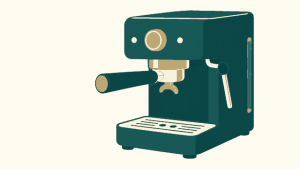
De’Longhi manual espresso machines with stainless-steel finishes are popular because they offer a familiar espresso setup without the price, size, or automation of a bean-to-cup machine. You grind coffee separately, lock a portafilter into place, and use a steam wand to texture milk. That gives you more control, but also more opportunities for inconsistent results.
The important buying detail is that “stainless steel” usually describes the exterior panels or finish, not the entire machine. Many De’Longhi models combine stainless steel with plastic housing and internal components. That is normal in this price range. The metal front can look sharper and resist staining, but it does not automatically mean the machine has a commercial-grade boiler, pump, or portafilter.
Quick answer: Our top pick in 2026 is the De’Longhi manual machine with pressurized baskets — our #1 rated choice. See the full ranked comparison, alternatives and buying advice below.
What a De’Longhi stainless-steel manual machine does well
A typical De’Longhi manual espresso machine is designed for straightforward home use. It generally uses a pressurized basket, which helps produce crema even when your grind, dose, or tamp is not perfectly dialed in. That makes it more forgiving than a traditional café-style setup.
Most models also include a steam wand for cappuccinos and lattes. Some are simple single-hole or sleeve-style wands; others give you more control over milk texture. In either case, steaming requires practice. The wand may produce large bubbles at first, and the machine often needs a short pause between brewing and steaming.
These machines suit people who want:
- Espresso drinks without buying a separate commercial machine.
- A compact appliance for a kitchen counter or small office.
- More control than a capsule machine provides.
- A relatively low-cost way to learn grinding, tamping, and milk steaming.
If you want café-style espresso and already own a capable grinder, a semi-automatic stainless-steel espresso machine with a non-pressurized basket may be a better long-term category. It is less forgiving, though, and usually costs more once you add a suitable grinder.
How the main options compare
See also: Breville Bench Saver • Rocket Espresso Coffee Machine
| Option | Best for | Main advantage | Main drawback |
|---|---|---|---|
| De’Longhi manual machine with pressurized baskets | Beginners and casual espresso drinkers | Forgiving extraction and compact size | Less control and a less café-like process |
| Manual machine with a separate espresso grinder | People improving their coffee routine | Better control over freshness and flavor | Higher total cost and a steeper learning curve |
| Superautomatic espresso machine | Convenience-first households | Grinds and brews with minimal effort | More expensive, larger, and harder to repair |
| Capsule coffee machine | Fast, low-mess preparation | Very simple and consistent operation | Less control and ongoing capsule expense |
The cheaper manual De’Longhi option is fine if you mainly drink milk-based beverages, use pre-ground coffee, or make one or two drinks a day. Milk, sugar, and flavored syrups can mask some of the subtle differences between entry-level extraction systems. Paying more makes more sense if you drink straight espresso, want to experiment with different beans, or expect to make several drinks back-to-back.
The grinder matters more than the shiny exterior
Freshly ground coffee is one of the biggest upgrades for a manual machine. Pre-ground coffee is convenient, but it loses aroma quickly after grinding and may be too coarse or too fine for the supplied basket. A machine with a polished metal front cannot compensate for stale coffee or an unsuitable grind.
For occasional use, a basic espresso coffee grinder may be enough, provided it offers reasonably fine adjustment. Avoid assuming that every inexpensive blade grinder is suitable; blade grinders chop unevenly and make it difficult to repeat a recipe.
Pressurized baskets reduce the need for precision, which is one reason these De’Longhi machines are approachable. However, they can also make different coffees taste more similar than they would on a more adjustable setup. If you later buy a better grinder, you may want to replace the pressurized basket with a compatible non-pressurized one, assuming the machine and portafilter support it.
Daily use, cleaning, and common failure points
Manual machines are not maintenance-free. After brewing, knock out the puck, rinse the basket and portafilter, and wipe the group outlet if coffee residue collects there. Purge the steam wand immediately after steaming, then wipe it with a damp cloth. Dried milk is harder to remove and can block the wand.
Scale is another common problem, especially with hard water. Symptoms can include slower flow, weak steam, unusual pump noise, and water leaking around the portafilter. Follow the machine’s descaling instructions rather than guessing with household acids. A water filter or softer water can reduce buildup, but it does not eliminate the need for periodic cleaning.
Several frustrations are normal rather than signs of a defective machine. The first shot may run too quickly because the grind is too coarse or the coffee dose is too low. The machine may need a brief warm-up before brewing. Steam performance can be modest, and switching directly from brewing to steaming may require waiting for the thermoblock or boiler to reach the higher temperature.
More serious warning signs include persistent leaking from the body, a pump that runs without drawing water, a steam wand that remains blocked after cleaning, or an electrical smell. Stop using the machine if you notice those issues and check the warranty or service options.
What to check before buying
- Counter space: Measure the depth, including room to remove the water tank and lift the portafilter handle.
- Water-tank access: A rear tank can be awkward beneath low cabinets.
- Portafilter size: Smaller proprietary sizes limit accessory choices compared with common commercial sizes.
- Basket type: Pressurized baskets are easier; non-pressurized baskets offer more control but demand better coffee and technique.
- Steam-wand design: A basic wand is adequate for occasional cappuccinos, while a more open wand is preferable for learning microfoam.
- Drink volume: Entry-level machines are better for a few drinks at a time than for serving a large household in rapid succession.
- Included accessories: A plastic tamper may work, but a properly sized metal tamper can make preparation more repeatable.
If you want the simplest possible experience, consider a superautomatic espresso machine instead. It costs more and usually takes up more space, but it removes much of the grinding and tamping work. If your priority is speed rather than hands-on preparation, that trade-off may be worthwhile.
Is it worth buying?
A De’Longhi manual espresso machine in a stainless-steel finish is a sensible entry point for someone who wants espresso drinks at home without committing to a large prosumer setup. Its strongest qualities are price, size, and forgiving operation. Its limitations are modest steam power, limited extraction control, and the need to clean it after every use.
Buy one if you enjoy a little preparation and mostly drink lattes, cappuccinos, Americanos, or occasional espresso. Choose a more advanced setup if you already have a quality grinder, care about dialing in individual beans, or regularly make drinks for several people. The stainless finish is a useful design feature, but the grinder, basket system, cleaning routine, and warranty matter more than the metal exterior.
FAQ
Is stainless steel better than plastic on a De’Longhi espresso machine?
Stainless steel is usually more resistant to scuffs and can look more substantial, but it does not guarantee better espresso or stronger internal components. Treat it mainly as a finish and judge the machine by its features, construction, and warranty.
Can I use pre-ground coffee?
Yes. These machines are commonly supplied with baskets intended for pre-ground coffee. Use a fresh, espresso-ground coffee when possible, and adjust the dose and tamp if the shot runs too quickly or slowly.
Do I need a separate grinder?
Not for occasional use. A separate grinder becomes worthwhile when you want fresher coffee, more control, or more consistent results. It can improve the experience more than spending extra for cosmetic upgrades on the machine itself.
Are manual machines difficult to clean?
Routine cleaning is manageable: rinse the basket and portafilter, purge and wipe the steam wand, empty the drip tray, and descale as directed. Neglecting milk residue and mineral buildup is the most common cause of avoidable problems.
Ready to decide? Our #1 pick for 2026 is the De’Longhi manual machine with pressurized baskets.
Live price & availability on Amazon.