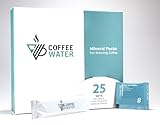
- Top Pick: COFFEE WATER Mineral Packs for Making Water for Coffee (Makes 25 Gallons)
- Best Value: COFFEE WATER Mineral Packs for Making Water for Coffee (Makes 125 Gallons)
- Premium Choice: Perfect Coffee Water™ Minerals for Creating the Best Water to Brew Coffee, Optimize Your Coffee Brewing, Brew Better, not Bitter, Coffee. (10, 1 Gallon/4 Liter Stick Packets)
As an Amazon Associate we earn from qualifying purchases at no extra cost to you. Product prices and availability are accurate as of the date shown and are subject to change.





Water TDS and Coffee Flavor: How Mineral Content Shapes Your Espresso
TL;DR — Quick Answer
Water TDS for coffee should sit between 75–150 ppm for optimal espresso extraction. Soft water under 50 ppm under-extracts and tastes flat. Hard water over 300 ppm inhibits flavor compounds, causes rapid scale buildup, and adds chalky off-notes. Test your tap water with a TDS pen (B086H458MP), then filter or remineralize to target range. Magnesium-dominant water enhances sweetness and clarity; calcium-dominant water adds body.
You can own the best espresso machine on the market, dial in your grind to perfection, and nail your brew ratio — and still pull mediocre shots if your water is wrong. Water makes up 92–98% of your espresso by volume. Its mineral composition directly determines how efficiently flavor compounds extract from the grounds, what those flavors taste like in the cup, and how quickly your machine scales up and degrades.
This guide covers what water TDS actually means for coffee, what mineral composition to target, how to test your water, and practical solutions for every water quality situation.
- Quick Comparison
- Water Testing and Treatment Tools
- What Water TDS Means for Coffee (Not the Same as Coffee TDS)
- The SCA Water Quality Standard: Target Numbers
- Magnesium vs. Calcium: How Each Mineral Affects Espresso Flavor
- How to Test Your Tap Water TDS
- Practical Water Solutions for Home Espresso
- Frequently Asked Questions
- About the Author
Quick Comparison
| Product | Brand | Price | Rating |
|---|---|---|---|
| Coffee Machine Water Filter Replacement Compatible with… | Sumsoctober | $12.44 | — |
| Keurig Filter Replacement Starter Kit – Water Filters f… | PUREHQ | $17.95 | 4.7/5 |
| Third Wave Water Classic Light Roast For Brewing The Be… | ThirdWaveWater | $18 | 4.3/5 |
| Alkaline88 Purified Ionized Water with Himalayan Minera… | Alkaline88 | — | 4.7/5 |
| PREMIUM PLANTATION BLUE TRADITION CLASS EXPERIENCE 100%… | PlantationBlue | $39.98 | 4.3/5 |
Water Testing and Treatment Tools
See also: How to Season a New Coffee Grinder (2026): Step-by-Step • How to Clean a Moka Pot Safely (2026): Step-by-Step
BEST TDS PEN METER
Digital TDS/EC Meter
~$15
INLINE WATER FILTER
BWT Bestmax Water Filter
~$45
THIRD WAVE WATER MINERALS
Third Wave Water Espresso Profile
~$20
What Water TDS Means for Coffee (Not the Same as Coffee TDS)
TDS — total dissolved solids — measures the concentration of dissolved mineral ions in water, expressed in parts per million (ppm) or milligrams per liter (mg/L). For brew water, this means calcium, magnesium, sodium, bicarbonate, and other ions naturally present in tap or filtered water. This is entirely separate from coffee TDS, which measures dissolved coffee compounds in your finished espresso.
Water TDS affects espresso in two distinct ways. First, mineral ions act as carriers and catalysts for flavor extraction — magnesium ions in particular bond strongly with aromatic coffee compounds and carry them into solution more efficiently than pure water. Second, calcium carbonate (the main contributor to “hardness”) forms limescale deposits on boiler heating elements and group head internals, reducing machine efficiency and eventually causing failure. Understanding both effects lets you optimize for flavor while protecting your equipment.
The SCA Water Quality Standard: Target Numbers
The Specialty Coffee Association’s water quality standard defines ideal brew water for maximum flavor extraction and equipment protection. These aren’t arbitrary — they’re derived from extraction chemistry research across multiple coffee origins and roast profiles.
| Parameter | SCA Target | Acceptable Range | Effect If Off |
|---|---|---|---|
| Total TDS | 150 ppm | 75–250 ppm | Under: flat; over: chalky, scale |
| Total hardness | 50–175 ppm CaCO₃ | 50–175 ppm | Scale buildup above 175 ppm |
| Magnesium | 10 ppm | 5–30 ppm | Low: reduced sweetness/clarity |
| Sodium | 10 ppm | <30 ppm | High: salty, suppresses acidity |
| pH | 7.0 | 6.5–7.5 | Acidic water: corrosion; alkaline: scale |
| Bicarbonate (buffer) | 40 ppm | 40–75 ppm | Low: pH instability; high: flat taste |
Magnesium vs. Calcium: How Each Mineral Affects Espresso Flavor
Not all dissolved minerals affect espresso the same way. Research by chemist Christopher Hendon (published in the Journal of Agricultural and Food Chemistry) demonstrated that magnesium is the primary extraction-enhancing mineral for coffee — it binds more strongly with aromatic and acidic compounds than calcium does. Water high in magnesium relative to calcium extracts more flavor from the same coffee dose, producing brighter, sweeter, more complex espresso.
Calcium contributes to body and mouthfeel but extracts fewer aromatic compounds. High-calcium water produces espresso that tastes round and full but can lack brightness and complexity. Very high calcium (above 150 ppm Ca) also accelerates scale formation significantly — calcium carbonate precipitates onto hot metal surfaces. The practical takeaway: target water with a higher magnesium-to-calcium ratio. Third Wave Water espresso mineral packets are formulated specifically to this ratio — add to distilled or RO water for a controlled starting point.
How to Test Your Tap Water TDS
A basic digital TDS pen costs $10–20 and gives you an immediate reading. Dip the probes into a glass of cold tap water, wait 5 seconds for stabilization, and read the ppm value. Most US municipal water supplies run 100–400 ppm TDS depending on region — California coastal cities tend toward 150–250 ppm, midwest cities can hit 300–500 ppm, while some mountain-region cities supply near-distilled water at 30–60 ppm.
A TDS pen tells you total dissolved solids but not mineral composition — it can’t distinguish between magnesium-rich water (good for coffee) and sodium-rich water (bad). For a complete mineral profile, use a water test kit or send a sample to a lab. In practice, most tap water with TDS between 75–200 ppm is suitable for espresso with minor filtering. Water above 300 ppm needs treatment before use in any espresso machine — scale damage is the leading cause of premature machine failure. Check our descaling guide if you’ve been using hard water without treatment.
Practical Water Solutions for Home Espresso
Bottled water: Volvic (130 ppm TDS, magnesium-forward) and Evian (357 ppm — too hard unless diluted 50/50 with filtered water) are commonly recommended by specialty cafes. Cost-prohibitive for daily use but useful as a reference point to understand how “correct” water affects your specific machine and coffee. Check the mineral label — target magnesium 5–30 ppm, calcium under 80 ppm, sodium under 20 ppm.
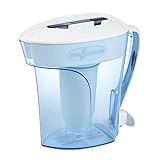
BWT/Brita pitcher filters: These ion-exchange filters selectively remove calcium while retaining or adding magnesium — aligning with the extraction-chemistry ideal. BWT Penguin and Bestmax filters are the go-to choice for specialty coffee shops and home enthusiasts. Reduces TDS to approximately 50–120 ppm depending on source water. Change filter cartridges on schedule (every 2–3 months for heavy use) — saturated filters can start releasing captured calcium back into the water.
Third Wave Water: A mineral packet system for distilled or reverse osmosis water. Add one packet to 1 gallon of distilled water to create a precisely controlled brew water matching SCA espresso standards. Convenient, consistent, and eliminates scale entirely (distilled base has zero hardness). Pairs well with machines that lack built-in water softeners. Combine this with a super automatic espresso machine that has a water quality sensor for best results.
Frequently Asked Questions
What TDS level is best for espresso water?
75–150 ppm is the sweet spot for most espresso. The SCA standard targets 150 ppm. Under 50 ppm produces flat, under-extracted shots. Over 300 ppm risks scale and off-flavors. Mineral composition matters as much as total TDS — magnesium-dominant water in the 100–150 ppm range typically produces the best extraction results.
Does using filtered water make better espresso?
Yes — if your tap water is outside the 75–250 ppm range or high in chlorine. Chlorine and chloramines in municipal water directly impair coffee flavor and should always be filtered out. For hard water above 200 ppm, a BWT-style magnesium-exchange filter both improves flavor and protects your machine from scale. Soft water under 75 ppm benefits from remineralization.
Can I use distilled water in my espresso machine?
Not plain distilled water — it has near-zero TDS and extracts coffee poorly, producing flat, empty-tasting espresso. It also leaches minerals from metal machine components over time, potentially causing corrosion. If using distilled or RO water, add minerals back via Third Wave Water packets or a similar remineralization system targeting 75–150 ppm.
How does water hardness affect espresso machine maintenance?
Hard water above 200 ppm calcium carbonate deposits limescale on boiler elements, thermoblock passages, and group head components. Scale is an insulator — it reduces heating efficiency and forces the machine to work harder, increasing energy consumption and wear. Severe scale can block water flow entirely. Descale every 1–2 months with hard water; every 3–6 months with soft or filtered water. A BWT inline filter on your machine’s water line is the most effective scale prevention for permanent installations.
What is the best water for a super automatic espresso machine?
For super automatics with built-in water tanks, use filtered water at 75–150 ppm TDS — either a BWT pitcher filter or Volvic-style bottled water. Avoid distilled water and hard tap water equally. Many premium super automatics include a water hardness test strip in the box — use it to configure the machine’s descale alert interval, and retest if you change water source.
Related: Coffee Extraction Yield and TDS Guide | Espresso Machine Descaling Guide | Super Automatic Espresso Machine Buyer’s Guide
Ready to decide? Our #1 pick for 2026 is the Coffee Machine Water Filter Replacement Compatible with….
Live price & availability on Amazon.