
TL;DR: A quality porcelain coffee mug set transforms your morning ritual — thick walls retain heat longer, the glazed surface preserves flavor, and the right capacity matches your brew method. Whether you pull espresso, brew pour-over, or steep a French press, the right porcelain mug makes every cup taste better and feel intentional.
Best Porcelain Coffee Mug Sets: Upgrade Your Home Coffee Experience
Most home baristas obsess over grind size, extraction time, and water temperature — then pour their carefully crafted coffee into a thin-walled mug that kills the temperature inside 90 seconds. The vessel matters. A proper porcelain coffee mug set is one of the simplest, highest-impact upgrades you can make to your daily coffee ritual without touching your equipment.
Porcelain has been the preferred material for serious coffee service for good reason. It’s dense, non-porous, thermally stable, and doesn’t impart any off-flavors. Here’s how to choose the right set — and why it’s worth caring about.
- Quick Comparison
- Top Porcelain Coffee Mug Sets
- Why Porcelain Outperforms Other Mug Materials
- Choosing the Right Capacity for Your Brew Method
- Pre-Warming: The Step Most People Skip
- Sets vs. Individual Mugs: What Makes More Sense
- Spec Comparison Table
- Care and Maintenance for Porcelain Mugs
- FAQ: Porcelain Coffee Mug Sets
- About the Author
Quick Comparison
| Product | Brand | Price | Rating |
|---|---|---|---|
| JoyJolt Savor Double Wall Insulated Glasses – Coffee Mu… | JoyJolt | $20.16 | 4.5/5 |
| Sweese Porcelain Coffee Mugs – 16 Ounce – Set of 6 | Sweese | $29.99 | 4.7/5 |
| Sweese Porcelain Coffee Mugs – 16 Ounce – Set of 6 | Sweese | $35.99 | 4.7/5 |
| Sweese Porcelain Coffee Mugs – 16 Ounce (Top to the Rim… | Sweese | $28.99 | 4.7/5 |
| DOWAN 20 oz Coffee Mugs | DOWAN | $16.14 | 4.8/5 |
Top Porcelain Coffee Mug Sets
See also: Best Pour Over Coffee Makers: Top Picks Reviewed and Compared (2026) • Best Drip Coffee Makers: Top Picks Reviewed and Compared (2026)
Why Porcelain Outperforms Other Mug Materials
Ceramic mugs are everywhere, but not all ceramic is equal. True porcelain is fired at higher temperatures (typically 1,200–1,400°C) than standard earthenware, producing a denser, more vitrified material. The result is a non-porous surface that won’t absorb coffee oils, won’t stain as easily, and won’t develop the musty smell that plagues lower-fired mugs over time.
Stoneware mugs are heavier and more rustic — fine for some use cases, but their greater mass actually works against heat retention in smaller sizes. Glass mugs look beautiful but lose heat rapidly unless double-walled. Porcelain hits the sweet spot: smooth interior, controlled wall thickness, and enough thermal mass to keep your coffee hot through the first half of your cup.
If you’re building out your coffee station with matching pieces, pair your mug set with a proper espresso cup and demitasse set for serving shots alongside your larger mugs.
Choosing the Right Capacity for Your Brew Method
Capacity is arguably the most important spec to get right — and the most commonly ignored. A 12 oz mug filled halfway is not the same as an 8 oz mug filled to 80%. The thermal dynamics are different, and more importantly, the drinking experience is different.
6–8 oz mugs are ideal for espresso-based drinks and short black coffees. If you pull a double shot and add a small amount of hot water for an Americano, or steam 4 oz of milk for a cortado, these are your go-to sizes.
10–12 oz mugs suit pour-over, drip, and medium-milk cappuccinos. This is the most versatile size for home use — comfortable for most brew methods without being so large that your coffee goes cold.
14–16 oz mugs work for latte-style drinks with significant milk volume, but most porcelain sets in this size sacrifice wall thickness for capacity, which hurts heat retention. If you want big-format drinks, look specifically for sets that advertise thick-wall construction.
Pre-Warming: The Step Most People Skip
Even the best porcelain mug will drop your coffee temperature by 10–15°F if you pour directly into a cold vessel. Professional coffee bars always pre-warm their cups — at home, it takes 30 seconds and dramatically improves your first sip. Fill the mug with hot water from your kettle or tap while your coffee brews, then dump it right before pouring.
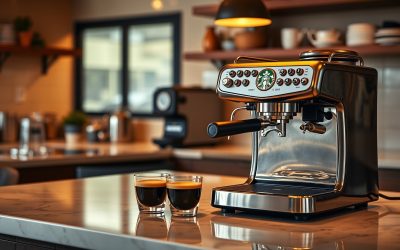
Some espresso machines have a cup warmer tray on top — a genuine functional feature, not just a surface. If yours does, use it. Your porcelain mugs will hold temperature noticeably longer when they start warm.
For precise water temperature control — whether you’re pre-warming cups or brewing pour-over — a Hario Buono gooseneck kettle gives you the control and pour accuracy that standard kettles can’t match.
Sets vs. Individual Mugs: What Makes More Sense
Buying a matched set gives you visual consistency and usually better value per mug. More importantly, matched sets from a single manufacturer are fired in the same kiln run, meaning consistent glaze thickness, weight, and wall dimensions across every piece. Mixing mugs from different sources often results in visible inconsistencies — different whites, different finishes, different weights — that undermine the aesthetic of a thoughtfully set-up coffee station.
Four-piece sets are the practical sweet spot for households. Six-piece sets make sense if you entertain regularly or want to cover multiple brew formats (e.g., four standard mugs and two larger cappuccino cups). Sets that include saucers add serving flexibility without much added cost.
Once you’ve chosen your mug set, the next step is building out your full home café experience — see our guide to coffee shop equipment for home for a complete overview of what matters most.
Spec Comparison Table
| Feature | Basic Ceramic | Stoneware | Porcelain |
|---|---|---|---|
| Firing Temperature | 900–1,100°C | 1,100–1,250°C | 1,200–1,400°C |
| Porosity | Moderate | Low | Very low |
| Wall Thickness | Variable | Thick | Controlled / precise |
| Heat Retention | Fair | Good | Very good |
| Flavor Neutrality | Fair | Good | Excellent |
| Dishwasher Safe | Usually | Usually | Yes (most quality sets) |
| Typical Price (4-set) | $15–$30 | $25–$50 | $35–$90 |
Care and Maintenance for Porcelain Mugs
Quality porcelain is dishwasher safe, but hand washing with mild dish soap extends the glaze life significantly — particularly for sets with hand-painted or relief decorations. Avoid abrasive scrubbers on the interior; they microscopically scratch the glaze surface over time, creating sites for staining and coffee oil absorption. A gentle bottle brush is all you need.
For stubborn coffee staining inside the cup, a paste of baking soda and water applied with a soft cloth removes discoloration without damaging the glaze. Avoid bleach-based cleaners, which can yellow white porcelain glaze over repeated use.
FAQ: Porcelain Coffee Mug Sets
What is the difference between porcelain and ceramic coffee mugs?
Porcelain is a type of ceramic, but it’s fired at much higher temperatures using refined white clay (kaolin), which creates a denser, harder, more vitrified material than standard earthenware or stoneware ceramics. The result is a smoother, less porous surface with better flavor neutrality and typically better heat retention in thinner wall profiles. Standard “ceramic” mugs often refer to earthenware fired at lower temperatures — more porous, heavier for the same capacity, and more prone to staining over time.
Do porcelain mugs keep coffee hotter longer than regular mugs?
Yes, quality thick-walled porcelain outperforms thin-walled glass and most earthenware for heat retention. The key variable is wall thickness — a double-thick porcelain wall traps more thermal mass and slows heat loss significantly. Pre-warming the mug with hot water before pouring extends heat retention further. That said, porcelain won’t match insulated stainless travel mugs — it’s designed for attentive, at-home drinking, not hours-long heat preservation.
What size porcelain mug is best for espresso drinks?
For straight espresso shots, a 2–3 oz demitasse is traditional. For Americanos and long blacks, 6–8 oz is ideal. Cappuccinos work best in 5–6 oz cups. Lattes with 6+ oz of steamed milk fit comfortably in 10–12 oz mugs. Buying a set that covers two or three of these sizes gives you flexibility across your full drink repertoire without buying separate specialized sets.
Are porcelain mugs microwave safe?
Plain white porcelain without metallic glazes or gold/silver trim is generally microwave safe. Always check the manufacturer’s rating — some specialty glazes contain metallic compounds that spark in microwave ovens. Undecorated food-safe porcelain from reputable brands is routinely microwave and dishwasher safe. When in doubt, check the bottom of the mug for a microwave-safe symbol or consult the product listing.
How do I remove coffee stains from porcelain mugs?
A paste of baking soda and a small amount of water, applied with a soft cloth or sponge, removes most coffee staining without damaging porcelain glaze. For heavy staining, a diluted white vinegar soak (1 part vinegar to 3 parts water) for 30 minutes works well. Avoid bleach-based products on white porcelain — repeated use yellows the glaze over time. Regular rinsing immediately after use prevents most staining from setting in the first place.