Last updated: October 2, 2026
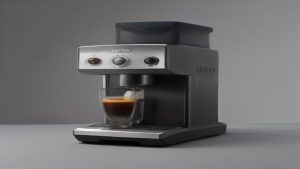
The Philips 3200 LatteGo is a super-automatic espresso machine built for people who want milk drinks without learning to steam milk manually. It grinds beans, brews espresso, dispenses milk foam, and cleans itself through a simple front panel. Its main attraction is the LatteGo milk system: a two-piece container with no narrow milk tube to disassemble.
That convenience comes with trade-offs. The 3200 is not a café-style machine for dialing in extraction, and its foam is closer to airy automatic froth than silky microfoam. For daily cappuccinos, lattes, and Americanos, though, it is a practical middle ground between a capsule machine and a hands-on espresso setup.
What the Philips 3200 LatteGo makes
Depending on the exact 3200 package, the machine offers espresso, coffee, cappuccino, latte macchiato, and hot water, with some versions adding an Americano-style drink. Philips has sold several regional and retailer-specific variations, so check the drink icons and model number before ordering rather than assuming every “3200 LatteGo” has identical presets.
The machine uses whole beans from its hopper and adjusts the grinder across multiple settings. You can change drink strength, coffee volume, and milk quantity from the controls. It also accepts pre-ground coffee through a bypass chute, useful for decaf or an occasional different roast.
It does not produce true espresso in the same adjustable sense as a semi-automatic machine. The grinder, dose, brew temperature, and pressure profile are largely managed for you. You can improve the cup with fresher beans and careful grind adjustment, but there is limited control over variables such as dose and shot timing.
How good is the LatteGo milk system?
See also: Gene Cafe Drum Roaster • Nespresso Vertuo Next Pod Holder
LatteGo is the strongest reason to choose this Philips over many other automatic machines. The milk container has two main parts that snap together, and milk travels through an open mixing chamber rather than a long internal hose. After use, you can separate the pieces and rinse them quickly under the tap. Both parts are typically dishwasher-safe, although the manufacturer’s current care instructions should take priority.
In the cup, the foam is consistent and convenient. It works well for cappuccinos and large milk drinks, but it will not match the glossy, paint-like texture produced by a skilled barista with a steam wand. The bubbles can be relatively large, particularly when the milk is very cold, the container is overfilled, or the air inlet needs cleaning.
A common failure mode is expecting the machine to foam any milk equally well. Use cold milk, keep the LatteGo parts clean and correctly clipped together, and make sure the small air path is not blocked by dried milk. Plant-based beverages can produce different results; barista-style oat or soy products usually foam more predictably than thin or low-protein alternatives, but no automatic system guarantees the same texture.
Coffee quality and daily use
The 3200 makes a pleasant, repeatable cup with much less effort than a grinder-and-espresso setup. It is particularly suited to medium and medium-dark beans. Very oily beans can create problems over time by coating the grinder and brew mechanism, while extremely light roasts may taste sharp or underdeveloped because the machine offers limited brewing control.
The adjustable ceramic grinder is quieter than many inexpensive blade grinders, but the machine still makes a noticeable mechanical noise while grinding and rinsing. Its coffee drinks are generally larger and milder than a carefully prepared espresso. If you prefer a strong small shot, select the smallest coffee volume and a higher strength setting rather than simply increasing the drink size.
There is also a little waste. The machine rinses when switched on and off, and spent grounds collect in an internal container. Keep a cup under the spouts during startup and empty the drip tray regularly. The compact footprint is useful, but the clearance needed to remove the water tank and bean hopper matters when placing it beneath cabinets.
Cleaning and maintenance
Automatic does not mean maintenance-free. You should rinse the LatteGo container after every milk session, empty the drip tray and grounds container as indicated, and periodically rinse the brew group. The brew group usually slides out from behind a service door, which makes routine cleaning more approachable than on some machines with less accessible internals.
Philips also specifies lubrication for the brew group and periodic cleaning products for the coffee circuit and milk system. Water hardness affects descaling frequency. Ignoring these tasks can lead to weak coffee, slow dispensing, leaks, blocked milk outlets, or a brew group that becomes difficult to move.
If you want a machine that can be left for several days with milk inside, this is not it. Milk should be removed and refrigerated after use. The LatteGo design reduces cleaning hassle; it does not eliminate food-safety basics.
Philips 3200 LatteGo compared with other approaches
| Option | Best feature | Main compromise | Best for |
|---|---|---|---|
| Philips 3200 LatteGo | One-touch milk drinks with easy milk cleanup | Limited espresso control and airy foam | Convenience-focused households making several milk drinks |
| Capsule machine with milk frother | Fast, simple operation | Higher drink cost and capsule waste | Occasional coffee drinkers who value speed over bean freshness |
| Manual espresso machine and grinder | Best control over espresso and steamed milk | Learning curve, mess, and preparation time | People who enjoy making coffee as a hands-on hobby |
| More advanced super-automatic machine | More recipes, profiles, and adjustments | Higher price and often more complicated cleaning | Households wanting more customization than the 3200 provides |
If you are replacing an old machine and mainly want easier milk drinks, the 3200 is a sensible upgrade. If you already own a good burr grinder and enjoy steaming milk, spending similar money on a manual setup may produce better espresso and texture. For occasional lattes, a cheaper espresso machine with milk frother can be perfectly adequate; the Philips earns its price through automation and reduced hands-on work, not necessarily a dramatically better shot.
Who should buy it?
Buy the Philips 3200 LatteGo if your priority is pressing a button before work, making repeatable cappuccinos for more than one person, and avoiding a milk tube that needs internal cleaning. It also suits households with different preferences because the strength, coffee volume, and milk settings can be adjusted without changing technique.
Think twice if you drink straight espresso and care about dialing in extraction, or if you want café-quality latte art. The interface is convenient, but its presets can feel restrictive to enthusiasts. Also measure your counter carefully: the machine needs space above or beside it for tank, hopper, and brew-group access.
For someone who wants maximum convenience but drinks milk coffee only occasionally, compare the purchase price with a simpler automatic espresso machine with milk frother. A cheaper unit may make the same basic drinks, though its milk system could be harder to clean or less consistent. Conversely, shoppers who want hands-on control should look at a semi-automatic espresso machine and burr grinder, accepting the extra work.
FAQ
Can the Philips 3200 LatteGo make regular coffee?
Yes. Its coffee setting makes a larger drink than espresso, and some versions include an Americano-style option. The result is convenient, though it will not taste identical to drip coffee made with a dedicated brewer.
Is LatteGo easier to clean than a milk tube?
Usually, yes. The two-piece container has fewer narrow passages and can be rinsed quickly. You still need to clean it after each milk session and follow the machine’s periodic cleaning instructions.
Can I use pre-ground or decaf coffee?
Yes, through the bypass chute. It is intended for one serving at a time, so it is useful for decaf but less convenient if you want to switch between beans repeatedly.
Does it make true café-style microfoam?
No. It makes dependable automatic foam, but a steam wand gives more control and usually produces finer, glossier microfoam. Choose the Philips for speed and consistency rather than latte-art texture.