Last updated: October 21, 2026
Washed coffee has the fruit stripped off the bean before drying, so it tends to taste clean, crisp and structured. Natural coffee dries inside the whole cherry, so it tends to taste fruity, sweet and heavier-bodied. That is the short version, and it holds as a tendency, not a guarantee. This guide explains what actually happens at the mill, where honey process fits between the two, how the flavor differences show up in your cup, and how to taste them side by side without guessing.
Quick Answer
- Washed (wet): the cherry skin and pulp are removed, the beans ferment briefly in water (commonly 12-48 hours), then are washed and dried.
- Natural (dry): whole cherries dry in the sun with the fruit still attached, commonly for two to six weeks depending on climate.
- Honey: the skin is removed but some sticky mucilage stays on the bean while it dries, landing between washed and natural.
- Flavor tendencies: washed is brighter and cleaner; natural is fruitier, sweeter and rounder; honey sits in the middle.
- Origin, variety, roast and brew method also shape the cup, so the label is a clue, not a verdict.
The Details
See also: 6 Best Pour Over Kettles (October 2026) Top Reviews • 6 Best Travel French Press (October 2026) Complete Guide
How washed coffee is made
Ripe cherries are put through a pulper that separates the seeds from the skin and most of the flesh. The seeds are still coated in sticky mucilage, so they sit in tanks of water to ferment for a period commonly given as 12-48 hours. Fermentation loosens the mucilage, the beans are washed clean, and then they are dried on raised beds or patios. Because the fruit is removed before drying, the flavor tends to come from the seed itself, which is why washed coffees are often described as clear, with crisp acidity and floral or citrus notes. Washed processing is less dependent on weather than natural drying but uses a lot of water and specialized equipment.

Foxen Coffee Ethiopia Guji Wush Wush Anaerobic Natural, Whole Bean, Light Roast, 12 Ounce
Included for 'Washed vs Natural Coffee Process: Complete Guide' because the listing specifies Whole Bean and Light Roast, details this guide uses to compare options.
View on Amazon
Costa Rica Coffee, Natural Process, Whole Bean, Fresh Roasted, 16-ounce
Included for 'Washed vs Natural Coffee Process: Complete Guide' because the listing specifies Natural Process and Whole Bean, details this guide uses to compare options.
View on Amazon
Kwiso Coffee Honey Process Tarrazu Costa Rica Single Origin Arabica 17.6 oz Ground Coffee Medium Roast Gourmet Specialty 500 g
Included for 'Washed vs Natural Coffee Process: Complete Guide' as a relevant option in this category; details come from the product listing.
View on Amazon
Verena Street Sunday Drive, Swiss Water Process Decaf Ground, 11oz | Medium Roast Swiss Water Process Decaffeinated Coffee, Rainforest Alliance Certified Arabica Coffee
Included for 'Washed vs Natural Coffee Process: Complete Guide' because the listing specifies Swiss Water Process Decaf Ground and 11oz, details this guide uses to compare options.
View on Amazon
Verena Street Sunday Drive, Swiss Water Process Decaf Whole Bean, 2lb | Medium Roast Swiss Water Process Decaffeinated Coffee, Rainforest Alliance Certified Arabica Coffee
Included for 'Washed vs Natural Coffee Process: Complete Guide' because the listing specifies Swiss Water Process Decaf Whole Bean and 2lb, details this guide uses to compare options.
View on Amazon
Fresh Roasted Coffee, Organic Ethiopian Natural | USDA Organic, 100% Single Origin, Kosher | Light Roast 2 lb (32 oz) Ground
Included for 'Washed vs Natural Coffee Process: Complete Guide' because the listing specifies Organic Ethiopian Natural and USDA Organic, details this guide uses to compare options.
View on AmazonHow natural coffee is made
Whole cherries are spread to dry with no pulping and no tank. Workers turn them regularly to prevent mold and keep drying even. Sources give a drying period of roughly two to six weeks, until the seeds reach about 12 percent moisture. During that time the fruit around the seed ferments slightly and sugars and flavor compounds migrate inward. The result tends toward berry, tropical or stone fruit, a rounded sweetness, fuller body and softer acidity. The method is highly weather dependent, and poorly dried lots can taste funky or fermented in unpleasant ways.
Where honey process fits
Honey process leaves part of the mucilage on the seed during drying. No honey is added; the name comes from the sticky, amber layer. It is also called pulped natural or semi-washed. Costa Rica, and the Tarrazu region in particular, is closely tied to refining the method, partly as a way to use less water. Producers often grade honey lots by how much mucilage remains and how long they dry.
| Honey grade | Mucilage left | Typical drying time | Tendency |
|---|---|---|---|
| Yellow | about 25-50 percent | about 8-10 days | Closest to washed; clean, subtle sweetness |
| Red | about 50-75 percent | about 12-16 days | More body; stone fruit and caramel notes |
| Black | about 75-100 percent | about 25-30 days | Most fruit-forward, syrupy, complex |
These figures come from producer-oriented guides and vary by mill, so treat them as a rough map, not a standard.
Side-by-side comparison
| Feature | Washed | Natural | Honey |
|---|---|---|---|
| Skin and pulp removed before drying | Yes | No | Skin yes, mucilage partly stays |
| Water use at the mill | High | Low | Lower than washed |
| Drying time | Shorter once fermented and washed | Roughly two to six weeks | Days to weeks by grade |
| Acidity | Crisp, bright | Soft, rounded | Between the two |
| Body | Lighter, structured | Fuller | Medium to syrupy |
| Typical flavor | Floral, citrus, tea-like clarity | Berry, tropical, stone fruit | Honey, raspberry, almond, caramel |
| Consistency risk | Lower | Higher (weather, mold, over-fermentation) | Moderate |
Anaerobic and other experimental twists
Producers now also ferment whole cherries in sealed tanks, a method labeled anaerobic. One listed Ethiopian lot on this page is described as an anaerobic natural with a 72-hour fermentation, so it does not follow a plain natural profile. Expect more intense fruit and boozy, wine-like notes in such lots. Confirm the details with the roaster, because labels for fermentation methods are not standardized.
How to taste the difference at home
- Pick one origin if possible, or at least one roast level, and buy one washed and one natural.
- Grind both fresh and brew with the same method, ratio and water temperature. A pour-over at about 1:16 with water at 195-205 F is a good neutral setup.
- Taste hot, then again at a lower temperature, since fruit and sweetness show more as the cup cools.
- Note acidity (sharp or soft), body (light or heavy) and aroma (floral or fruit).
- Repeat with a honey-processed coffee to see where it lands.
Gear That Helps
These listed coffees let you taste the natural and honey side. Pair them with any washed coffee from a local roaster for contrast.
Foxen Ethiopia Guji Wush Wush Anaerobic Natural – an extreme natural
As an Amazon Associate we earn from qualifying purchases at no extra cost to you.

This 12 oz whole-bean light roast is listed as a single-origin Guji lot with a 72-hour anaerobic fermentation and natural processing on raised beds. The listing describes berry-forward, juicy sweetness with a winey chocolate body. It is a loud example of what natural processing can do, so it suits someone who already likes fruity coffee. Confirm the roast date on the bag.
Costa Rica Coffee, Natural Process – a milder natural

This 16 oz whole-bean bag is listed as a fresh-roasted natural-process Costa Rican coffee. It is a useful contrast to a washed Costa Rican, which is the cleanest way to taste the process difference in a single country. The listing is short on detail, so confirm roast level and tasting notes before buying.
Kwiso Honey Process Tarrazu – the middle path

The listing describes a honey-process single-origin Arabica from Tarrazu, Costa Rica, in a 17.6 oz ground medium roast. It is a convenient way to try the honey category, which typically sits between washed clarity and natural fruit. Because it is pre-ground, plan to brew it soon after opening and match the grind to your method.
Fresh Roasted Coffee Organic Ethiopian Natural – an everyday natural
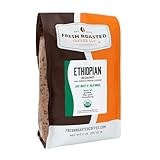
This listing is a 2 lb bag of ground, light-roast, single-origin Ethiopian natural, labeled USDA Organic and Kosher. The larger bag gives you enough to dial in a few recipes. Light roasts show off process character, so it works well for a side-by-side taste with a washed Ethiopian. Confirm the grind size and roast date on the listing.
Common Mistakes
- Assuming natural means lower quality. A well-made natural can be clean and complex; the weak ones are usually poorly dried.
- Assuming washed means boring. Washed coffees can be very expressive; they simply put origin character first.
- Confusing the Swiss Water Process with a cherry process. That is a decaffeination method, not washed or natural.
- Comparing across different roast levels. A dark roast hides the process; compare similar roasts.
- Brewing one coffee differently from the other. Change only the coffee, not the recipe, during a taste comparison.
- Trusting the label alone. Honey grades and anaerobic labels are not standardized, so read the roaster’s notes.
Questions
Is natural or washed coffee better?
Neither is better in general. Washed suits drinkers who like clarity and acidity, and natural suits drinkers who like sweetness and fruit. Roast and brew method matter just as much.
Why does natural coffee taste fruity?
The seed dries inside the cherry for weeks, so sugars and flavor compounds from the fruit move into the seed while some fermentation happens.
Does natural coffee have more caffeine?
Processing is not a recognized driver of caffeine content. Species and brew strength matter more, and no figure here is verified for processing, so confirm on the roaster’s page.
What is honey processed coffee?
Coffee where the cherry skin is removed but part of the sticky mucilage stays on the seed during drying. No honey is added.
Which process is best for espresso?
Both are used. Naturals and honeys can give a sweeter, rounder shot; washed coffees can give a brighter, cleaner one. Blends often mix both, so taste what you have.
Can I tell the process from the bag?
Many specialty bags list it near the origin and variety. If it is not listed, ask the roaster or check the product page.
Update History
- October 21, 2026 – Initial publication; specifications checked against manufacturer documentation where available.
- Check the product page for current specifications and availability before buying.
Sources
- Specialty coffee roaster explainers on washed, natural and honey processing
- Origin and processing guides for Costa Rica and Ethiopia
- Producer-oriented honey process grading guides
- Roaster product listings for the coffees mentioned