Last updated: October 20, 2026
Choose iced coffee if you want a lighter, coffee-forward drink you can make with a regular drip brewer, cold brew pitcher or instant coffee. Choose an iced latte if you want a creamy, milk-heavy drink built on espresso and have a way to make strong concentrated coffee. The two share ice and a tall glass, but they start from different brews, use very different amounts of milk and finish with different textures and caffeine profiles. This guide lays out each difference with real numbers where they can be verified.
Quick Verdict
| Choose iced coffee if you… | Choose an iced latte if you… |
|---|---|
| Want a clean, coffee-forward flavor | Want a smooth, creamy, milk-forward drink |
| Brew with a drip machine, pour-over, French press or cold brew | Own an espresso machine, or can make strong concentrate with a moka pot or similar brewer |
| Prefer to control milk and sweetener yourself, or skip them | Like milk as the main ingredient and a mellow bitterness |
| Want a large, slow-sipping drink at a steady strength | Want a drink where shots, not cup size, set the caffeine |
| Plan to batch a pitcher for the week | Prefer making one drink at a time or buying ready-to-drink bottles and cans |
If you drink it black, iced coffee is the straightforward pick. If you drink it with milk anyway, an iced latte gives you the milk-to-coffee balance on purpose rather than as an afterthought.

Community Coffee Caramel Pralines and Cream Iced Latte Ready To Drink, 13.7 Ounce Bottle (Pack of 12)
Included for 'Iced Coffee vs Iced Latte (2026): Which Is Better?' because the listing specifies 13.7 Ounce Bottle (Pack of 12), details this guide uses to compare options.
View on Amazon
La Colombe draft Latte Variety Pack, 11 fl oz cans (Pack of 12), Includes Triple, Vanilla & Mocha Latte, Coffeehouse Quality, Ready-to-Drink, On-the-Go
Included for 'Iced Coffee vs Iced Latte (2026): Which Is Better?' because the listing specifies 11 fl oz cans (Pack of 12) and Includes Triple, details this guide uses to compare options.
View on Amazon
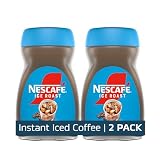
NESCAFÉ Ice Roast Instant Iced Coffee, 2 Jars 6 oz | Instant coffee, roasted for iced; 2 jars, 6 oz each
Included for 'Iced Coffee vs Iced Latte (2026): Which Is Better?' because the listing specifies 2 Jars 6 oz and Instant coffee, details this guide uses to compare options.
View on Amazon
Community Coffee Vanilla Waffle Cone Iced Latte Ready To Drink, 13.7 Ounce Bottle (Pack of 12)
Included for 'Iced Coffee vs Iced Latte (2026): Which Is Better?' because the listing specifies 13.7 Ounce Bottle (Pack of 12), details this guide uses to compare options.
View on Amazon
Starbucks Ice Pumpkin Spice Latte, 40 fl oz Bottle | Authentic Starbucks Espresso, 100% Arabica Beans, Reduced Fat Milk, Enjoy On the Go
Included for 'Iced Coffee vs Iced Latte (2026): Which Is Better?' because the listing specifies 40 fl oz Bottle and Authentic Starbucks Espresso, details this guide uses to compare options.
View on Amazon
DaVinci Gourmet Iced Coffee Latte Blended Drink Mix, 3 Pounds
Included for 'Iced Coffee vs Iced Latte (2026): Which Is Better?' because the listing specifies 3 Pounds, details this guide uses to compare options.
View on AmazonSpecs Side by Side
See also: 6 Best Pour Over Kettles (October 2026) Top Reviews • Washed vs Natural Coffee Process: Complete Guide (2026)
| Feature | Iced coffee | Iced latte |
|---|---|---|
| Coffee base | Brewed coffee: drip, pour-over, French press, cold brew or instant | Espresso (usually one or two shots) |
| Typical liquid | Mostly coffee, optional splash of milk | Mostly cold milk with espresso poured in |
| Texture | Thin and clean | Rounder and creamier |
| Caffeine reference point | About 96 mg per 8 oz of brewed coffee (Mayo Clinic table) | About 63 mg per 1 oz shot of espresso (Mayo Clinic table), so roughly 126 mg for a double |
| Equipment | Any brewer, or a jar for cold brew | Espresso machine or strong concentrate maker |
| Make-ahead friendly | Yes, in a pitcher in the refrigerator | Shots are best fresh; milk is added per glass |
| Customization | Easy to dilute, sweeten or add milk | Easy to switch milks, syrups and shot count |
| Ready-to-drink options | Instant iced coffee, bottled cold brew, mixes | Canned and bottled lattes |
Real drinks vary with dose, recipe and how much ice goes into the cup. Treat the caffeine numbers above as published reference points scaled here with simple arithmetic, and check the maker’s information if you need an exact figure.
Key Differences That Matter
1. The Coffee Base: Brewed Versus Espresso
Iced coffee starts with brewed coffee, hot or cold, that is cooled and poured over ice. There are three common routes. The first is hot brewed coffee chilled in the refrigerator, which is easy but can taste flat and watery once the ice melts. The second is flash chilling, where a hot brew drips straight onto a glass of ice; many guides suggest brewing with a reduced amount of water so the melting ice makes up the difference. The third is cold brew, where grounds soak in cold water for many hours and the result tastes smoother and less acidic. An iced latte instead starts with espresso, which is a small, pressurized shot of about one fluid ounce with a heavier body. The shot hits a glass of cold milk and ice, and the dairy mutes the sharpness so the drink tastes round rather than sharp.
2. Milk Ratio and Mouthfeel
The real dividing line is milk. In a cafe, a latte is milk-dominant, usually only a shot or two of coffee in a cup mostly filled with milk. Iced coffee can be served black or with whatever splash you add. That difference changes the taste more than any other: iced latte reads as a dessert-adjacent drink, while iced coffee reads as coffee. Milk also changes how long the drink lasts. A black iced coffee holds well over a long sitting, because there is no dairy to separate or sour, while an iced latte is best finished in a reasonable time and kept cold.
3. Caffeine: Per Serving, Not Per Style
People assume the latte is the stronger drink because it uses espresso, but caffeine depends on how much coffee the whole drink contains. Using Mayo Clinic’s published figures, an 8-ounce cup of brewed coffee has about 96 mg and one ounce of espresso about 63 mg. A double-shot iced latte therefore comes to roughly 126 mg, no matter how much milk fills the glass. A 16-ounce iced coffee made from the same brew strength would be around 192 mg if the cup were all coffee, but ice takes up room in the cup, so the actual liquid is smaller and the number lower. The point is that the two drinks overlap, and the bigger factors are shot count, coffee dose and cup size. Chains differ, so check their published nutrition information if the number matters.
4. Effort and Equipment
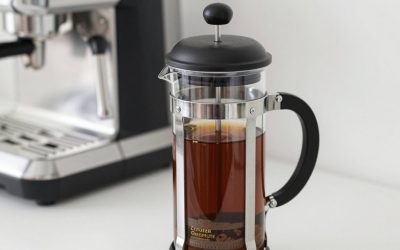
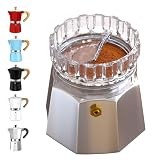
Iced coffee wins on accessibility. A basic drip machine, a French press or a jar and a filter will do, and a pitcher in the refrigerator gives you several days of drinks. An authentic iced latte wants espresso or a concentrated stand-in. A moka pot, an AeroPress or a strong-brew setup can approximate it, but results differ from a true espresso shot. Ready-to-drink cans and bottles close that gap for people without equipment, and instant iced coffee and drink mixes cover the iced coffee side.
5. Sweeteners and Flavors
Both drinks absorb syrups, but they behave differently. Flavored lattes in particular depend on syrup and milk working together, and many ready-made lattes and mixes are built around dessert flavors. Iced coffee tolerates both black and sweetened versions. If you want to cut sugar, start with the lowest amount and build up; cold drinks taste less sweet than hot ones, which leads many people to over-sweeten.
6. Dilution and How the Drink Changes in the Glass
Ice is part of both recipes, but it affects them differently. In iced coffee the liquid is mostly coffee, so as the ice melts the drink becomes weaker and lighter, which is why many recipes brew the coffee stronger than usual or freeze coffee into cubes. In an iced latte the cold milk cushions the melt: the drink gets less watery, but it can separate or look swirled as the espresso settles. Stirring once or twice and using larger ice cubes, which melt more slowly than small ones, helps both drinks hold their character longer. If you plan to sip slowly over an hour, black iced coffee over big cubes generally holds up better than a sweetened, flavored latte.
Pros and Cons
Iced Coffee
- Works with almost any brewing equipment
- Batch-friendly and keeps for several days when refrigerated
- Easy to take black, with milk, or sweetened
- Clean, coffee-forward flavor
- Can taste thin or watery as ice melts
- Hot-brewed-then-chilled versions can taste stale
- Less creamy unless you add milk or cream
Iced Latte
- Smooth, creamy and mellow
- Caffeine is controlled by shot count
- Milk and flavors are customizable
- Many ready-to-drink options exist
- Requires espresso or a strong substitute
- Milk-heavy, so it is less suited to people who avoid dairy unless a non-dairy milk is used
- Shots are best fresh, so batching is awkward
- Flavor can be dominated by syrups and sweeteners
Which One Should You Buy?
Match the drink to what you already have and how you drink coffee. If you own a drip brewer or a French press and take your coffee black or with a small splash, iced coffee is the simple answer, and a jar of cold brew in the refrigerator makes it even easier. If you already pull espresso shots or enjoy the taste of a milky coffee drink, the iced latte is the better fit.
If you do not have the equipment for either, ready-to-drink and instant products give you a way to try the style without buying gear. Decide whether you want milk built in (ready-to-drink lattes), a coffee base you finish yourself (instant iced coffee) or a flavored mix that blends in a glass. Read each listing for flavor, serving size and caffeine information, since those details vary widely between products.
- Pick the base: brewed coffee or espresso.
- Decide how much milk you want.
- Choose whether you want to batch ahead or make single drinks.
- Pick sweetness and flavor last, and start low.
Gear Mentioned
Community Coffee Caramel Pralines and Cream Iced Latte Ready To Drink
As an Amazon Associate we earn from qualifying purchases at no extra cost to you.

This listing is a pack of twelve 13.7-ounce ready-to-drink bottles in a caramel pralines and cream flavor. It sits firmly on the dessert-latte side of the comparison, with milk and sweetness built in, so it works for people who want an iced latte style drink without an espresso setup. Serve it over ice or straight from the refrigerator. Check the label for the caffeine and nutrition details.
Community Coffee Vanilla Waffle Cone Iced Latte Ready To Drink

Another twelve-pack of 13.7-ounce bottles, this one in a vanilla waffle cone flavor. If the caramel version feels too heavy, a vanilla profile may read a little lighter, though the listing does not publish comparative sweetness. Buying the pair gives you two flavors to compare against a homemade iced coffee. Confirm serving size and ingredients on the product page.
La Colombe Draft Latte Variety Pack

The listing is a twelve-pack of 11-fluid-ounce cans that includes triple, vanilla and mocha lattes, described as coffeehouse-style and ready to drink. Cans are convenient for travel and for people who want a chilled latte without opening a bottle. The variety pack lets you compare a plain triple-shot style with flavored options. Look at the product page for caffeine and milk details before choosing.
Starbucks Ice Pumpkin Spice Latte, 40 fl oz Bottle

This large 40-fluid-ounce bottle is listed with espresso from 100% arabica beans and reduced fat milk, in a seasonal pumpkin spice flavor. It suits a household that wants several iced lattes from one bottle. Pour over ice, since the drink is meant to be served cold, and refrigerate after opening. Check the label for serving count and storage instructions.
NESCAFE Ice Roast Instant Iced Coffee

The listing is two 6-ounce jars of instant coffee roasted for iced drinks. This is the low-effort route to the iced coffee side of the comparison, since the powder dissolves in cold water or milk without a brewer. You can make it black, stir in milk to approximate a latte-style drink, or blend it with ice. Follow the label for the serving size so the strength matches your taste.
DaVinci Gourmet Iced Coffee Latte Blended Drink Mix

This is a three-pound container of blended drink mix for iced coffee lattes. Mixes like this are designed for blending with ice and milk or water, producing a frappe-style texture, and they are a different category from brewed iced coffee or espresso-based lattes. Check the ingredient list and the mixing directions on the product page, and expect a sweeter, dessert-like result.
Questions
Is an iced latte stronger than iced coffee?
Not by default. A latte’s caffeine comes from the shots in it, usually one or two, while iced coffee’s depends on the brew and the cup size. A double-shot latte and a medium iced coffee often end up in the same range.
Is iced coffee just hot coffee poured over ice?
It can be, but that approach often tastes diluted. Flash chilling over ice with a stronger brew, or using cold brew, gives better results.
Can I make an iced latte without an espresso machine?
You can approximate one with a moka pot, an AeroPress or strong instant coffee, then pour it over cold milk and ice. The flavor will be somewhat different from true espresso but good enough for many people.
Which has more calories?
Calories depend on the milk, syrup and sugar, not on the style. A black iced coffee is the lightest option, and a flavored latte with whole milk and syrup is heavier. Check labels or recipes for exact values.
Can I use non-dairy milk in an iced latte?
Yes. Oat, soy, almond and other milks all work, although they differ in creaminess and how well they blend with espresso.
How long does homemade iced coffee keep?
Many guides suggest a few days in a covered pitcher in the refrigerator, with cold brew concentrate often kept somewhat longer. Smell and taste before drinking, and discard anything that seems off.
Update History
- October 21, 2026 – Initial publication; specifications checked against manufacturer documentation where available.
- Check the product page for current specifications and availability before buying.
Sources
- Mayo Clinic published caffeine content table for brewed coffee and espresso
- Specialty-coffee educational material on iced coffee, flash chilling and cold brew methods
- Retailer listing titles and specification fields for the listed products