Last updated: October 20, 2026
What does a La Marzocco coffee machine cost?
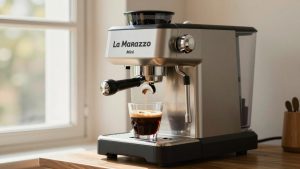
La Marzocco makes premium espresso machines, and its home models cost several thousand dollars. As a rough U.S. Exact prices vary by model, finish, retailer, and year, so check current listings before setting a budget. Commercial machines can cost substantially more and are generally not the right comparison for a home kitchen.
The purchase price is only part of the setup. A capable espresso grinder can add several hundred to over a thousand dollars; water treatment, a scale, a tamper, and a knock box add more. If you do not already own a suitable grinder, budget for one rather than expecting a costly machine to compensate for uneven grounds.
Why the price is high
See also: How to Descale an Espresso Machine: Citric Acid vs Vinegar • Best Electric Kettles: Ten Glass, Steel and Gooseneck Picks Compared
You are paying for more than the ability to make espresso. La Marzocco machines are built around robust components, temperature control, and construction intended for sustained use. Home models typically offer separate brewing and steaming capacity, which lets you pull a shot and steam milk without waiting for a small single-boiler machine to change modes.
That matters most if you make milk drinks back to back or care about repeatable brewing. It matters less if you mostly drink one espresso a day, use pre-ground coffee, or want a machine that handles most decisions automatically. A premium machine still needs dialing in: grind size, dose, yield, and coffee freshness all affect the cup.
Also account for counter space, warm-up time, maintenance, and service. A heavy machine can be awkward to move, and repairs on premium equipment may cost more than routine upkeep on an entry-level appliance. Before buying, confirm the warranty, who handles service in your area, and whether the machine’s electrical requirements fit your kitchen.
How the main choices compare
| Option | Typical cost | Best for | Main trade-off |
|---|---|---|---|
| La Marzocco home machine | Varies | Frequent espresso and milk-drink making; buyers who value build and control | High upfront cost, plus grinder and maintenance |
| Prosumer dual-boiler machine | Varies | Home baristas wanting simultaneous brewing and steaming for less | Build, service access, and control features vary by brand and model |
| Single-boiler or thermoblock machine | Varies | Occasional espresso, limited space, or a tighter budget | May need pauses between brewing and steaming; less convenient for several milk drinks |
| Automatic espresso machine | Varies | Convenience and quick drinks with less hands-on work | Less control over extraction and milk texture; cleaning remains necessary |
These are broad market ranges, not quotes; configurations and promotions change. For a lower-cost manual setup, compare prosumer dual-boiler espresso machines. If convenience matters more than hands-on control, look at automatic espresso machines instead.
Who should buy one—and who should skip it
A La Marzocco is easiest to justify if espresso is a daily routine, you make several drinks in a sitting, and you enjoy adjusting a grinder and recipe. It can also suit a household that wants a long-term centerpiece and is comfortable paying for professional service if something goes wrong.
It is a poor-value choice if you make coffee only occasionally, mainly drink large filter-style cups, or expect push-button convenience. In those cases, much of what you pay for may go unused. A good grinder paired with a less expensive espresso machine can produce satisfying coffee; the cheaper machine is fine when its workflow and capacity match your habits.
Do not buy one on the assumption that expensive equipment guarantees better espresso. Common disappointments include sour or bitter shots from a poor grind setting, weak results from stale beans, and milk that is too foamy or overheated. Those are usually technique or setup problems, not proof that the machine is defective. If you do not want to learn those basics, an automatic machine is a more sensible fit.
What to check before paying
Get a complete quote for the exact configuration, including tax, delivery, installation if offered, and any required electrical work. Confirm the seller is authorized if warranty coverage matters to you, and ask where local repairs are performed. A machine that is difficult to service nearby can be a frustrating choice, even if its specifications look ideal.
Then price the whole setup. Choose a grinder suited to espresso, allow room for the machine and its water access, and check whether your tap water needs filtration or treatment. Hard or unsuitable water can contribute to scale and service problems. Finally, consider the daily routine: the machine needs cleaning, periodic backflushing where applicable, and occasional maintenance. If that sounds like too much work, spend less on a simpler setup.
FAQ
Is a La Marzocco worth the price for home use?
For occasional coffee or simple one-button drinks, a less expensive machine is usually better value.
Does the price include a grinder?
Usually not. Check the listing carefully and budget separately for an espresso-capable grinder, plus basic tools and water treatment if needed.
Can a cheaper machine make espresso as good?
Yes. A capable lower-cost machine and grinder can make excellent espresso, though workflow, temperature control, build, and service options differ.
Should I buy new or used?
Used can lower the cost, but ask for service records, inspect for leaks and scale issues, and confirm parts and repair support. A warranty-backed new machine costs more but reduces uncertainty.