Last updated: October 10, 2026
What does “De’Longhi milk frother” mean?
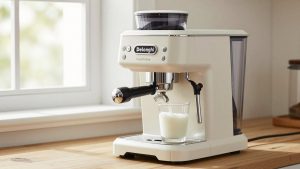
De’Longhi sells espresso machines with built-in frothing wands, as well as machines and accessories that can froth milk automatically. So the right choice depends on whether you want to make foam alongside espresso or need a separate appliance for milk drinks. Check the exact model’s features before buying: “milk frother” can mean a manual steam wand, an automatic milk carafe, or a standalone electric frother.
For occasional cappuccinos, a wand on an espresso machine is often enough. If you want one-button drinks or don’t own an espresso machine, a standalone frother may be more convenient. The trade-off is control: a wand takes practice, while automatic frothing is easier but gives you fewer ways to adjust the texture.

De'Longhi EMF2BK Plastic Automatic Milk Frother, Black
Included for 'De Longhi Milk Frother' because the listing specifies Black, details this guide uses to compare options.
View on Amazon
Nespresso CitiZ Coffee and Espresso Machine by De'Longhi with Milk Frother, Black, 9.3 x 14.6 x 10.9 inches
Included for 'De Longhi Milk Frother' because the listing specifies Black and 9.3 x 14.6 x 10.9 inches, details this guide uses to compare options.
View on Amazon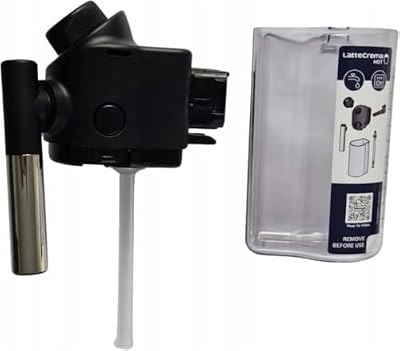
JATJ SPACE De longhi milk frothing jug coffee machine Magnifica Evo ECAM290 Start ECAM292
Included for 'De Longhi Milk Frother' as a relevant option in this category; details come from the product listing.
View on AmazonThe main options compared
See also: 6 Best Pour Over Kettles (October 2026) Top Reviews • Washed vs Natural Coffee Process: Complete Guide (2026)
| Option | Best for | Trade-off |
|---|---|---|
| Manual steam wand | People who want control and already have an espresso machine | Requires technique and cleaning after each use |
| Automatic milk system | Convenience and repeatable milk drinks | More parts to rinse, and less control over foam |
| Standalone electric frother | People who need frothed or warmed milk without an espresso machine | Doesn’t make espresso; capacity and foam texture vary |
| Handheld whisk frother | Low-cost, occasional use | Doesn’t heat milk; foam is usually less dense and less consistent |
Choose a steam wand for control
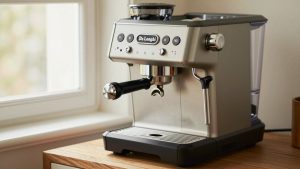
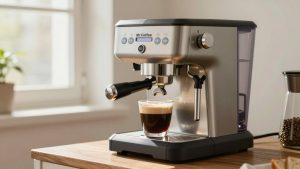
A steam wand heats milk while adding air, letting you make fine, glossy microfoam for lattes or thicker foam for cappuccinos. It’s the best fit if you enjoy learning a repeatable routine and want to pour latte art. A wand is also one less separate appliance to store.
The learning curve is real. If the wand sits too high, it makes large bubbles; if it’s submerged too deeply, the milk heats without adding much foam. Milk can also overshoot the temperature you want while you’re concentrating on technique. Wipe the wand and purge it after steaming, or dried milk can block the tip and make cleaning harder.
When shopping for a machine with a wand, consider more than the brand name. Look at the machine’s size, warm-up time, controls, and how much counter space it needs. For a first espresso setup, compare De’Longhi espresso machines with a steam wand with other machines in your budget. A less expensive machine may be perfectly adequate if you make drinks occasionally and don’t need automatic milk programs.
Choose automatic frothing for convenience
An automatic milk system handles much of the work for you. Depending on the machine, you may select a drink and let it dispense espresso and milk with little intervention. This suits busy mornings and households where several people want a similar drink without learning to steam.
Convenience comes with upkeep. Milk-contact parts need prompt rinsing, and a carafe or milk tube can develop residue if cleaning is delayed. Automatic systems can also be less flexible: you may not be able to make the exact foam texture you prefer, and the milk portion or temperature may not suit every cup. Read the cleaning instructions before buying, not just the drink menu.
If you already have a De’Longhi machine with an automatic milk attachment, check whether replacement parts and cleaning supplies are available for that specific model. For a new setup, compare De’Longhi espresso machines with automatic milk frothing by cleaning routine as well as price. Automatic is worthwhile when you’ll use the feature often; otherwise, it can mean paying for parts and programs you rarely need.
When a separate frother makes sense
A standalone electric frother is a practical choice if you already make coffee with a drip machine, moka pot, or instant coffee and want warm milk foam without buying an espresso machine. Some models heat and froth in one cycle; others can warm milk without making foam. Check the capacity and settings, particularly if you make drinks for more than one person.
These devices generally don’t create the same steamed microfoam as a good wand, so they’re better for topping everyday coffee than for practicing latte art. They can also fail to froth reliably when the whisk or jug is dirty, overloaded, or used with a milk that behaves differently from dairy. A standalone frother is easier to justify than a costly machine if milk drinks are occasional. Consider De’Longhi electric milk frothers if you want a separate appliance; check the manual for whether the model heats milk and which parts are dishwasher-safe.
A handheld battery whisk is cheaper still, but it only adds air; it won’t heat milk. Warm the milk separately, then whisk it in a tall cup to limit splashes. This is a reasonable budget option for occasional drinks, but don’t expect the dense, even foam of steamed milk.
Milk choice and common problems
Cold dairy milk is a dependable starting point for a steam wand. Lower-fat milk can make plenty of foam but may feel lighter; whole milk often gives a creamier texture. Plant-based drinks vary by brand and formula. “Barista” versions are formulated to work better in coffee, but results still depend on the frother and the drink. If foam collapses or looks bubbly, try a different carton, clean the frothing parts, and avoid filling beyond the marked limit.
For a wand, clean and purge it immediately after use. For an automatic system or electric frother, follow its instructions and don’t leave milk sitting in the container. Dried residue is a common cause of poor performance and unpleasant smells. Never force a whisk, valve, or milk tube that seems blocked; check the manual for the correct way to remove and clean it.
FAQ
Does De’Longhi make a standalone milk frother?
Yes. De’Longhi sells separate electric frothers, but features vary by model. Check whether the one you’re considering heats milk, froths it, or does both.
Is an automatic frother better than a steam wand?
It’s easier to use, but not automatically better. Choose automatic for convenience and repeatability; choose a wand for more control and a better route to latte-art texture.
Can a De’Longhi frother handle oat milk?
Often, but results vary by product and milk. Try a barista-style oat drink and check the frother’s manual for guidance.
Do I need an espresso machine to use a milk frother?
No. A standalone frother can top coffee made with a drip brewer, moka pot, or instant coffee. It adds milk foam, not espresso.