- Top Pick: Amazon Fresh, Colombia Whole Bean Coffee Medium Roast, 32 Oz
- Best Value: Don Francisco's 100% Colombia Supremo Whole Bean, Medium Roast, 20 OZ Bag
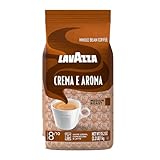
- Premium Choice: Lavazza Crema E Aroma Whole Bean Coffee Blend, 2.2-Pound Bag , Balanced medium roast with an intense, earthy flavor and long lasting crema, Non-GMO
Last updated: September 4, 2026
Quick Comparison
| Product | Brand | Price | Rating |
|---|---|---|---|
| Juan Valdez Organic Ground Coffee – Balanced Roast | 10… | JuanValdezCafe | $14.99 | 4.5/5 |
| Juan Valdez Medium Roast Ground Coffee | 11oz Bag | Pre… | JuanValdezCafe | $17.99 | 4.5/5 |
| Juan Valdez Dark Roast Ground Coffee | 11oz Bag | Premi… | JuanValdezCafe | $17.99 | 4.5/5 |
Introduction
See also: 4 Best Coffee Beans for Iced Coffee (October 2026) Honest Reviews • Instant Espresso Brands Ranked
Colombia is one of the world’s most celebrated coffee-producing countries, and for good reason. The combination of high altitude, rich volcanic soil, and the Andes microclimate produces beans with a signature balanced flavor profile: mild acidity, medium body, and natural sweetness with notes of caramel, hazelnut, and red fruit. Colombian coffee is the benchmark of approachability in specialty coffee.
What to Look For
- Region Specificity: Colombian coffee varies significantly by region — Huila and Nariño are known for brightness and fruit; Antioquia and Caldas produce rounder, nuttier cups. Region-labeled bags offer more consistent flavor expectations.
- Variety: Caturra and Castillo are the dominant varieties; Gesha and Pink Bourbon from Colombian farms are rarer and priced higher but offer exceptional complexity worth trying.
- Roast Level: Colombia’s natural balance makes it excellent across roast levels — light roasts highlight fruit and floral notes; medium roasts emphasize caramel and nuts; medium-dark produces a rich, milk-chocolate cup.
Top Picks
Peet’s Coffee Colombia Luminosa (Light Roast)
Peet’s Colombia Luminosa is a nationally available light roast with a notably approachable profile for those transitioning from medium roasts. The Colombia sourcing delivers sweet citrus and caramel notes without the aggressive brightness that turns some drinkers off light roasts.
As an Amazon Associate we earn from qualifying purchases at no extra cost to you.
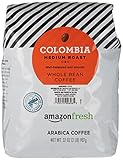



Volcanica Coffee Colombian Supremo (Medium Roast)
Volcanica sources Colombian Supremo — the largest screen-size grade of Colombian beans — roasted to a medium profile that maximizes the classic Colombian caramel and nut character. An excellent everyday coffee that excels in drip, pour-over, and espresso equally.
Intelligentsia El Diablo (Colombian-Heavy Espresso Blend)
El Diablo is Intelligentsia’s approachable espresso blend anchored by Colombian beans. The medium-dark roast produces a rich, bittersweet cup with dark chocolate and dried fruit that is forgiving of slight extraction variation — ideal for home baristas building their espresso skills.
What Makes Colombian Coffee So Distinctive
Colombia’s reputation for smooth, balanced coffee is rooted in geography and growing conditions. The country sits along the Andes mountains near the equator, giving it high-altitude growing regions, rich volcanic soil, and a climate that allows year-round harvesting in different zones. These conditions favor Arabica beans, which Colombia grows almost exclusively, and high-altitude cultivation tends to produce denser beans with more developed sugars and a brighter, cleaner cup. The result is the medium-bodied, well-rounded profile—mild acidity, nutty and caramel sweetness, sometimes with subtle fruit—that has made Colombian coffee a global benchmark for approachable, everyday drinking.
Much of Colombia’s coffee is still grown by smallholder farmers and processed using the washed (wet) method, which removes the fruit before drying. Washed processing emphasizes clarity and acidity, contributing to the clean, balanced character Colombian coffee is known for. Because the flavor is so versatile and free of extremes, Colombian beans work beautifully across brewing methods—smooth in drip and pour over, rich in a French press, and balanced as an espresso base. This adaptability is a big reason Colombian coffee is endlessly drinkable: it rarely overwhelms, pairs well with milk, and suits both casual and discerning palates.
Choosing and Brewing Colombian Beans
When buying Colombian coffee, roast level shapes the experience most. A light to medium roast preserves Colombia’s signature brightness, sweetness, and nuanced fruit and floral notes—ideal for pour over and drip where clarity shines. A medium-dark or dark roast trades some of that nuance for deeper, bolder, chocolatey flavors and a fuller body that suits espresso and milk drinks. Look for a roast date and freshly roasted whole beans, and consider regional labels like Huila, Nariño, or Antioquia, which can indicate distinct flavor characteristics from Colombia’s varied growing zones.
Brewing to suit the bean lets its balance show. For pour over or drip, a medium grind and water around 195-205°F highlight Colombian coffee’s clean acidity and sweetness. For French press, a coarse grind and a four-minute steep bring out its full body. As espresso, dial in a 1:2 ratio over about 25 to 30 seconds, grinding finer or coarser to balance sourness and bitterness. Whatever the method, grinding fresh just before brewing and using good water preserve the delicate aromatics that make Colombian coffee so pleasant. Its forgiving nature makes it a great choice for experimenting, since it tastes good across a wide range of settings.
Frequently Asked Questions
Why is Colombian coffee considered so smooth?
Colombia’s high-altitude growing regions, volcanic soil, Arabica-only cultivation, and predominantly washed processing produce a clean, balanced cup with mild acidity and nutty, caramel sweetness. This well-rounded profile, free of harsh extremes, is what gives Colombian coffee its smooth reputation.
Is Colombian coffee good for espresso?
Yes. Colombian beans make a balanced, versatile espresso, especially in medium to medium-dark roasts that bring out chocolatey body well-suited to milk drinks. Lighter roasts produce a brighter, more acidic shot that some espresso drinkers also enjoy.
What roast level is best for Colombian coffee?
It depends on your taste. Light to medium roasts preserve Colombia’s brightness, sweetness, and fruit notes, ideal for pour over and drip. Medium-dark to dark roasts deliver bolder, chocolatey flavors and fuller body that suit espresso and milk-based drinks.
What does “washed” processing mean?
Washed (wet) processing removes the coffee cherry’s fruit before the beans are dried. It emphasizes clarity and acidity, producing a clean, bright cup. Most Colombian coffee is washed, which contributes to its balanced, well-defined flavor.
Does the region within Colombia matter?
Yes. Colombia’s varied growing zones—such as Huila, Nariño, and Antioquia—can produce distinct flavor characteristics due to differences in altitude, soil, and climate. Regional labels on a bag can hint at a coffee’s specific profile.
Final Thoughts
Colombian coffee is the ideal starting point for anyone new to specialty coffee — its approachability belies its complexity. Explore different Colombian regions and roast levels to find your preferred expression, then use it as a reference point when venturing into more adventurous origins.