Last updated: October 2, 2026
Quick answer: Our top pick in 2026 is the Machine plus espresso grinder — our #1 rated choice. See the full ranked comparison, alternatives and buying advice below.
What “Breville espresso machine no grinder” means
If you want a Breville espresso machine but do not want to pay for a built-in grinder, look at Breville’s machines without one. They leave you free to choose a separate grinder, keep using equipment you already own, or buy pre-ground coffee. The trade-off is more flexibility and easier grinder replacement, in exchange for another purchase and a little more counter space.
For espresso, the grinder matters as much as the machine. Coffee ground too coarsely can run through quickly and taste thin; coffee ground too finely can choke the basket or drip slowly. A machine without a grinder is a sensible choice only if you have a way to get coffee ground fine and consistently enough for espresso.
Breville machines without built-in grinders
See also: Best Espresso Grinders for Home: Burr Size, Workflow and Budget Matched • Breville Smart Grinder Espresso
Breville’s Bambino and Bambino Plus are compact options without built-in grinders. Both are intended for home espresso and pair with a separate grinder. The Plus adds conveniences such as automatic milk texturing, while the regular Bambino is the simpler, usually less expensive choice. Features, bundles, and availability can change, so check the current listing before buying.
The Breville Duo-Temp Pro is another grinder-free machine you may encounter, especially secondhand. It offers manual control over milk steaming, but it is an older design and may be harder to find new. For a used machine, check condition, included accessories, return terms, and whether replacement parts are available.
If you are comparing machines, browse Breville Bambino espresso machines and confirm that the listing is for the machine-only version rather than a bundle that includes a grinder.
Three ways to set up your coffee
| Setup | Upfront cost | What works well | Main drawback |
|---|---|---|---|
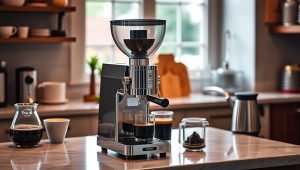
| Machine plus espresso grinder | Higher | Fresh, adjustable grounds; room to upgrade either piece separately | Costs more and takes up more space |
| Machine plus pre-ground coffee | Lowest | Simple and inexpensive to try | Less control; coffee loses freshness after grinding |
| Machine plus an existing grinder | Varies | Good value if the grinder can grind finely and consistently | Many general-purpose grinders struggle with espresso adjustment |
Pre-ground coffee can be fine if you make espresso occasionally, are comfortable with less control, or want to keep the initial cost down. Buy small quantities, store them sealed, and use coffee labeled for espresso if available. The common failure is assuming any ground coffee will work: if the grind is too coarse for the machine’s basket, shots may run fast and taste weak. Pressurized baskets can be more forgiving, but they do not make stale coffee fresh.
Choosing a separate grinder
For regular espresso, look for a grinder designed to make fine adjustments around espresso range. A grinder that only has a few widely spaced settings may jump from a shot that gushes to one that barely flows. That makes dialing in frustrating, particularly when changing coffee beans. A dedicated espresso grinder is generally the better match if you expect to make espresso most days.
A capable hand grinder can cost less than an electric espresso grinder and produce good results, but grinding for multiple drinks takes effort. It suits one or two espresso servings and someone who does not mind doing the work. An electric grinder is faster and easier for repeated use, though an inexpensive model that cannot adjust precisely may be poor value. Compare espresso grinders with fine adjustment by adjustment range, retention, cleaning access, and whether they can grind directly into your preferred basket or dosing cup.
Check your basket before buying. Some Breville machines include pressurized baskets, which can make pre-ground coffee or a less precise grinder more workable. Non-pressurized baskets reward better grinding and offer more control, but they expose grind problems quickly. If the machine includes both, start with the pressurized basket while learning, then try the non-pressurized one once you have a suitable grinder.
Which setup suits you?
-
Choose a Bambino with a separate grinder if you want a compact machine and plan to improve your espresso over time. You can upgrade the grinder without replacing the machine. Budget for both pieces, plus a scale or tamper if your setup needs them.
-
Choose the simpler machine and pre-ground coffee if you make espresso now and then, value a low starting cost, and accept that results may vary. This is a reasonable way to see whether home espresso fits your routine before investing in a grinder.
-
Use a grinder you already own only if it can grind finely enough and make small, repeatable changes. Test it with a small amount of coffee before spending more. If you cannot get a steady shot, the grinder may be the limiting part—not the Breville machine.
-
Consider the Bambino Plus if milk drinks are your regular order and its assisted steaming suits you. If you prefer to control milk texture yourself or mostly drink straight espresso, paying extra for that convenience may not make sense.
Common buying mistakes
The first is spending the whole budget on the machine and treating the grinder as an afterthought. A basic grinder that cannot make fine, consistent adjustments can undermine an otherwise capable espresso setup. The second is buying a high-end grinder before knowing whether you will use the machine regularly. If you are uncertain, pre-ground coffee and a forgiving basket are a cheaper trial.
Also check what is included. Retail bundles may add a grinder, accessories, or different baskets, while the product title may not make the package clear. Verify the exact contents and return policy. A grinder-free Breville is not automatically a bargain; its value depends on whether you already have a workable grinder or have included one in your budget.
FAQ
Can I use a Breville espresso machine without a grinder?
Yes. You can use pre-ground coffee, especially with a pressurized basket. Expect less control and potentially less consistent shots than with freshly ground coffee.
Is a separate grinder better than a built-in one?
It can be easier to replace or upgrade separately, and you can choose a grinder suited to your needs. It also adds cost and counter space. A built-in grinder is more convenient if you want an all-in-one machine.
Will my regular coffee grinder work for espresso?
Possibly, but many general-purpose grinders lack the fine adjustment and consistency espresso needs. If shots run too fast or the machine struggles to push water through, grind adjustment may be the issue.
Which Breville machine without a grinder is the cheapest setup?
The lowest upfront cost is typically a grinder-free machine paired with pre-ground coffee. It is fine for occasional use, but frequent espresso drinkers are usually better served by budgeting for a suitable grinder.
Ready to decide? Our #1 pick for 2026 is the Machine plus espresso grinder.
Live price & availability on Amazon.