Last updated: September 24, 2026
Single origin espresso is where home baristas go when they want a shot to taste like a place rather than a house style. It can be thrilling: a washed Ethiopian that tastes like bergamot and lemon, or a Brazilian natural that drinks like a hazelnut chocolate bar. It can also be frustrating, because origins that shine in a pour-over can turn sour, thin or harsh under nine bars of pressure. This guide focuses on which origins and processing styles tend to work as espresso, how to dial each one in, and what to look for on a roaster’s bag before you buy.
Quick answer: For most people in 2026, the best single origin beans for espresso is the Brazil natural — our #1 rated choice. See the full ranked comparison, alternatives and buying advice below.
Why single origins are trickier than blends
Espresso blends are designed so that one component supplies body, another sweetness, a third acidity. A single origin has to do all of that on its own. Espresso concentrates everything roughly eight to ten times compared with filter coffee, so a coffee with high acidity becomes sharp, and a coffee with low sugar development becomes hollow. That is why many roasters roast their single origin espressos slightly more developed than their filter roasts of the same lot.
Origins that work well as espresso
Brazil (natural or pulped natural)
The most forgiving single origin for espresso. Expect milk chocolate, roasted nuts, low acidity and heavy body. Brazil is the easiest starting point if you are new to single origins, and it holds up well in milk drinks. Dial in around 1:2 in 27 to 32 seconds.
Colombia (washed)
Balanced, with caramel sweetness and a medium, red-fruit acidity. Colombian coffees are consistent and widely available, which makes them a good second step once you want more brightness than Brazil offers.
Guatemala and Honduras (washed)
Cocoa, brown sugar and gentle stone fruit. These Central American coffees often produce syrupy shots with enough acidity to stay lively without puckering.
Ethiopia (washed or natural)
The showpiece origin. Washed Ethiopians such as those from Yirgacheffe or Sidama bring florals and citrus; naturals from Guji bring blueberry and strawberry. They are usually lighter-roasted and denser, so they need a finer grind, a higher brew temperature (around 94 to 96 °C) and a longer ratio of 1:2.5 or even 1:3 to avoid sourness.
Sumatra (wet-hulled)
Earthy, herbal, cedar and dark chocolate with very heavy body and low acidity. Polarising straight, but excellent under milk.
Kenya (washed)
Blackcurrant, tomato-like savoury acidity and intensity. Kenyan espresso is spectacular when it lands and punishing when it does not. Best attempted once you are comfortable dialing in.
| Origin | Typical flavour as espresso | Acidity | Difficulty | Starting ratio / temp | Milk-friendly? |
|---|---|---|---|---|---|
| Brazil natural | Chocolate, nuts, caramel | Low | Easy | 1:2 at 92–93 °C | Yes |
| Colombia washed | Caramel, red apple, cherry | Medium | Easy–moderate | 1:2 at 93 °C | Yes |
| Guatemala washed | Cocoa, brown sugar, plum | Medium | Moderate | 1:2–1:2.2 at 93 °C | Yes |
| Ethiopia washed | Jasmine, lemon, bergamot | High | Hard | 1:2.5–1:3 at 94–96 °C | Mixed |
| Ethiopia natural | Blueberry, strawberry jam | Medium–high | Moderate–hard | 1:2.2–1:2.5 at 94 °C | Good in small drinks |
| Sumatra wet-hulled | Earth, cedar, dark chocolate | Low | Easy | 1:1.8–1:2 at 91–92 °C | Excellent |
| Kenya washed | Blackcurrant, grapefruit | Very high | Hard | 1:2.5 at 94–95 °C | Rarely |
How to read a single origin bag for espresso
Look for a roast date, not just a best-by date. Single origin espresso usually tastes best from about 7 to 25 days after roasting; lighter roasts often need the full week or more of rest before they stop gushing and tasting sharp. Look for the words “espresso roast” or “omni roast”. An omni roast is developed to work for both filter and espresso, and is a sensible middle ground. A pure filter roast of an Ethiopian can be undrinkable as espresso on a basic machine.
Processing tells you a lot. Washed coffees taste cleaner and brighter, naturals are fruitier and heavier, and honey or pulped natural lands in between. Altitude matters too: higher-grown coffees are denser, so expect to grind finer.
Equipment that makes single origins easier
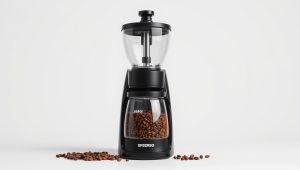
Light single origins reward temperature control and a grinder that can go fine in small steps. A PID-controlled machine and a flat-burr or high-quality conical grinder will pull more sweetness out of an Ethiopian than a pressurised-basket machine with a blade grinder ever will. If your setup is basic, stick with Brazil, Colombia, Guatemala and Sumatra, which tolerate a wider range of temperatures and grind settings.
FAQ
Is single origin coffee good for espresso?
Yes, as long as you choose an origin and roast suited to it. Low-acid origins such as Brazil and Sumatra are easy; bright East African coffees taste amazing but need finer grinding, hotter water and longer ratios.
Why does my single origin espresso taste sour?
It is usually under-extracted. Grind finer, raise the brew temperature a degree or two, extend the ratio toward 1:2.5, and make sure the beans have rested at least a week after roasting.
Bottom line
Start with a Brazilian natural or a washed Colombian if you want a single origin that behaves like a well-made blend. Move to Guatemala and Honduras for more sweetness and liveliness, and save washed Ethiopians and Kenyans for when your grinder and temperature control can handle them. Buy omni or espresso roasts, respect the rest period, and adjust ratio and temperature origin by origin rather than using one recipe for everything.
Ready to decide? Our #1 pick for 2026 is the Brazil natural.
Live price & availability on Amazon.