Last updated: October 21, 2026
If you have been eyeing that morning latte habit and doing the math, you already know the appeal of pulling your own shots at home. The obstacle most people hit is price: search “espresso machine” and you are instantly staring at $500, $800, even $2,000 price tags that make a countertop coffee bar feel like a luxury reserved for cafe owners. The good news is that the entry-level market has quietly gotten very good. You can absolutely buy a capable espresso machine under $150 that pulls real, crema-topped shots and steams milk for cappuccino and latte. The catch is knowing what these machines do well, where they cut corners, and how to set your expectations so you love the machine instead of returning it in week two.
As an Amazon Associate we earn from qualifying purchases. Prices and availability are accurate as of the date/time indicated and are subject to change.
As an Amazon Associate we earn from qualifying purchases at no extra cost to you.



Editor's Pick
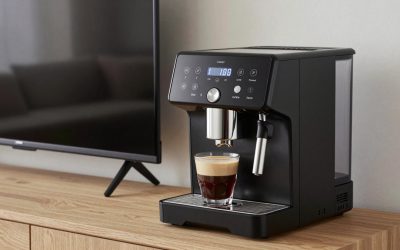
Atatix 20 Bar Espresso Machine with Milk Frother, Professional Compact Espresso Maker, Stainless Steel Coffee Machine with Precise Temp Control & 44oz Removable Water Tank for Latte, Cappuccino, Black
View on Amazon


🛒 Best Price Today on Amazon
Prime members get fast, free shipping on everything above, plus member-only deals. New members get a 30-day free trial — cancel anytime.
What You Actually Get in an Espresso Machine Under $150
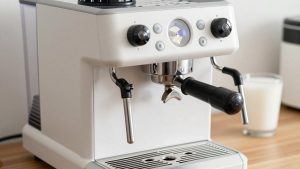
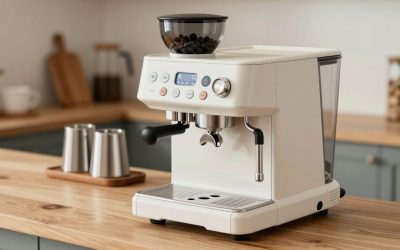
At this price you are buying a single-boiler (or more often a thermoblock) pump-driven machine. That means an electric pump forces hot water through finely ground coffee packed into a portafilter, producing a concentrated shot with a layer of crema on top. Nearly every model in this bracket includes a steam wand so you can froth milk. That combination, real pressure plus steam, is the dividing line between a genuine espresso machine and a glorified drip maker or a pod system. If a product in this range has both, you have the raw ingredients for legitimate espresso drinks at home.
What you are not buying is thermal stability, build mass, and convenience features. A $600 machine holds temperature precisely, recovers heat quickly between shots, and often includes a pressure gauge, PID controller, and a commercial-style portafilter. Under $150 you get lighter materials, plastic in more places, smaller water tanks, and more manual fiddling. None of that stops you from making a great drink; it just means you are more involved in the process. For a beginner, that involvement is actually a decent teacher.
Pump Pressure: Why 15-20 Bar Is Marketing (and What Matters)
Almost every budget machine advertises a 15-bar or 20-bar pump, and shoppers assume more bars means better espresso. The truth is that espresso is properly extracted at around 9 bar of pressure at the puck. The 15 or 20 figure refers to the maximum the pump can generate, not what actually hits your coffee. A 20-bar pump is not “better” than a 15-bar pump for extraction; both have plenty of headroom, and both rely on the machine (or the pressurized basket) to regulate down to the right working pressure. So do not pay a premium chasing a bigger number. Fifteen bar is more than enough for espresso. Focus instead on temperature consistency and your grind, which matter far more than the pump’s peak rating. If you want the deeper breakdown, see our guide to how bar pressure really affects your espresso.
Steam Wand vs Panarello: Frothing Milk for Latte and Cappuccino
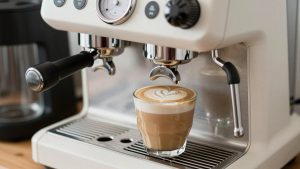
Milk frothing is where budget machines split into two camps. Many include a panarello wand, a wand wrapped in a plastic sleeve that sucks in air automatically. Panarellos are beginner-friendly and produce fluffy, airy foam with almost no skill, which is great for a quick cappuccino. The downside is that the foam tends to be bubbly and coarse, not the silky microfoam you need for latte art or a smooth flat white. The other camp is a bare, articulating steam wand, which demands practice but rewards you with cafe-quality microfoam once you learn to position it. If your dream is thick, glossy milk you can pour designs into, prioritize a real steam wand and accept the learning curve. If you just want a warm, foamy topper, a panarello is perfectly fine. Either way, milk technique is a skill; our milk steaming and frothing tutorial walks through both.
Portafilter: Pressurized vs Non-Pressurized Baskets
This is the single most important spec most buyers overlook. Budget machines almost always ship with a pressurized (or “dual-wall”) portafilter basket. A pressurized basket has a tiny hole that artificially builds back-pressure, which means it produces crema and a decent shot even with an inconsistent grind or pre-ground supermarket coffee. That forgiveness is exactly what a beginner needs. The trade-off is a ceiling on quality: the crema is somewhat artificial and the flavor cannot reach the heights of a properly dialed-in shot. Non-pressurized (single-wall) baskets, by contrast, demand a good grinder and precise technique but unlock the machine’s full potential. The best budget machines let you swap between the two, so you can start pressurized and graduate to non-pressurized as your skills grow. If a model only offers pressurized baskets, that is fine for most people, but it caps how far you can take it.
The Compromises You Are Signing Up For Under $150
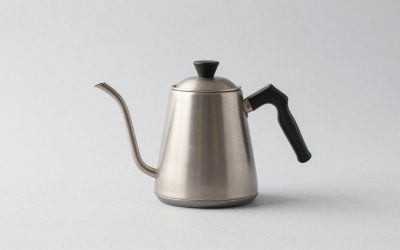
See also: 6 Best Pour Over Kettles (October 2026) Top Reviews • Washed vs Natural Coffee Process: Complete Guide (2026)
Being honest about limitations is the fastest way to be happy with a cheap machine. Expect these:
- Temperature stability: Thermoblock heaters swing more than a proper boiler, so shot-to-shot consistency takes practice and sometimes a “temperature surfing” routine.
- Steam power: You often cannot pull a shot and steam milk simultaneously; you brew, then wait for the machine to heat the steam mode.
- Build and longevity: More plastic, smaller tanks, and lighter portafilters. With care these machines last years, but they are not heirloom-grade.
- No frills: Rarely any pressure gauge, PID, or programmable volume at this price. You are the controller.
None of these are dealbreakers. They are simply the reasons the machine costs $130 instead of $600. Go in expecting a hands-on, slightly manual experience and you will be delighted rather than disappointed.
Ease of Use for Beginners
Budget espresso machines are surprisingly beginner-friendly, largely because of those pressurized baskets and panarello wands that hide your mistakes. A total newcomer can be pulling drinkable shots within the first afternoon. The learning curve mostly involves dialing in grind size, dose, and tamp pressure, plus getting a feel for milk texturing. Start with a forgiving setup, keep notes on what you change, and improve one variable at a time. Within a couple of weeks most people are making drinks they genuinely prefer to their local coffee shop, at a fraction of the per-cup cost.
Do You Need a Separate Grinder?
This is the question that trips up new buyers. Espresso is extremely sensitive to grind size, and pre-ground coffee is almost always too coarse and too stale for great results. If you use a pressurized basket, you can get away with pre-ground or a cheap grinder because the basket compensates. But if you want to unlock a non-pressurized basket, or you simply want the best possible cup, a burr grinder is not optional, it is the highest-impact upgrade you can make. Many enthusiasts argue you should spend as much on the grinder as on the machine. On a tight budget, start with pre-ground and the pressurized basket, then add a burr grinder when funds allow. Our roundup of the best budget espresso grinders pairs perfectly with any machine on this list.
Maintenance and Longevity
A cheap machine that is cleaned lives a long life; a neglected one clogs and dies fast. Backflush or rinse the group head after each session, wipe and purge the steam wand immediately after every use so milk does not bake on, and descale on a regular schedule based on your water hardness. Using filtered water dramatically slows scale buildup and is the easiest way to extend the machine’s life. Empty the drip tray, keep the portafilter clean, and store baskets dry. Five minutes of upkeep protects a purchase you will use every single day. See our full espresso machine cleaning and descaling routine for a step-by-step schedule.
Best Espresso Machines Under $150 in 2026: Comparison
| Machine | Best for | Milk frothing | Price | Rating |
|---|---|---|---|---|
| Best Overall — Compact 20-Bar Pump Machine | All-round beginners who want real shots plus milk drinks | Steam wand (swappable frothing) | $$ | 4.6 / 5 |
| Slim Stainless 15-Bar Model | Small kitchens and tight counters | Panarello wand | $ | 4.4 / 5 |
| Dual-Basket Enthusiast Starter | Upgraders ready for non-pressurized baskets | Bare steam wand | $$ | 4.5 / 5 |
| One-Touch Simple Machine | Absolute beginners who want minimal fuss | Panarello wand | $ | 4.3 / 5 |
| Fast-Heat Thermoblock Machine | Busy mornings and quick heat-up | Steam wand | $$ | 4.4 / 5 |
Frequently Asked Questions
Can you get a good espresso machine under $150?
Yes. Entry-level machines in this range now include genuine pump pressure and a steam wand, which is everything you need to pull real espresso and froth milk. You will trade away temperature precision, build mass, and convenience features found on $500-plus machines, but with a little practice you can make cafe-quality drinks. The key is choosing a model with a swappable basket and treating your grind and technique as the real quality levers.
Is 15 bar enough for espresso?
Absolutely. Espresso only needs around 9 bar of pressure at the coffee puck for proper extraction, so a 15-bar pump has plenty of headroom. The 15 or 20-bar number on the box is the pump’s maximum, not what reaches your coffee. Do not pay extra chasing a higher bar rating; put your attention on grind consistency and temperature stability instead, which have far more impact on the cup.
Do cheap espresso machines make real espresso?
They do. As long as the machine uses a pump that generates real pressure and has a portafilter, the shot it produces is authentic espresso with crema, not filtered coffee. Budget models often ship with pressurized baskets that make the process forgiving for beginners, which slightly limits peak flavor but still delivers a legitimate shot. Swapping to a non-pressurized basket and a good grinder later closes most of the gap to pricier machines.
Do you need a separate grinder?
For the best results, yes. Espresso is highly sensitive to grind size and freshness, and a quality burr grinder is often the single biggest upgrade you can make. That said, if you start with a pressurized basket you can get acceptable shots from pre-ground coffee while you save up. Once you want to use a non-pressurized basket or chase top-tier flavor, a dedicated burr grinder becomes essential.