Last updated: October 2, 2026
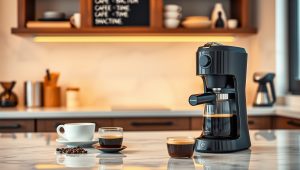
A semi automatic coffee machine is the right choice if you want control over the espresso without doing every step by hand. You grind the coffee, dose it into the portafilter, tamp it, and start the shot. The machine handles water heating and pressure; you handle the parts that most affect flavor.
That control comes with a learning curve. You will need a suitable grinder, fresh coffee, and a willingness to adjust the grind when a shot runs too fast or too slow. For many home users, that is a worthwhile trade-off. For others, a super automatic machine or pod brewer will be less frustrating.
The best semi automatic coffee machine for most homes
For a first setup, look for a machine with a standard 58mm or 54mm portafilter, a strong steam wand, a stable temperature system, and readily available replacement parts. A semi automatic espresso machine with a steam wand gives you the flexibility to make espresso, Americanos, cappuccinos, and lattes without locking you into capsules or proprietary accessories.
A basic single-boiler machine is usually the sensible starting point. It can brew espresso and steam milk, but not at the same time. You may have to wait 30 to 90 seconds while the machine changes temperature between tasks. That is a nuisance when making several milk drinks, but it is rarely a serious problem for one or two people.
Choose a more advanced dual-boiler or heat-exchanger machine if you regularly make multiple milk drinks, care about workflow, or want to steam milk while brewing. These machines cost considerably more and can use more counter space. They are not automatically better for a beginner: a poor grinder and stale coffee will still produce disappointing espresso.
Semi automatic machines compared
See also: Breville Bench Saver • Rocket Espresso Coffee Machine
| Machine type | Best for | Main advantage | Main drawback |
|---|---|---|---|
| Basic single boiler | Espresso and occasional milk drinks | Lower price and simpler ownership | Cannot brew and steam at the same time |
| Thermoblock or thermocoil | Fast warm-up and casual users | Quick startup and compact designs | Steam power and temperature consistency vary |
| Heat exchanger | Frequent milk drinks | Can brew and steam with one boiler system | More expensive and less intuitive to tune |
| Dual boiler | Enthusiasts and busy households | Independent brewing and steaming temperatures | Highest cost, size, and maintenance demands |
What to look for before buying
Temperature control
Temperature stability matters, but marketing terms can be confusing. A machine with PID control generally lets you set and maintain a more precise brewing temperature than a basic thermostat. That is useful when switching between light and dark roasts, but it does not remove the need to dial in the grind.
Some inexpensive machines advertise high pressure, but maximum pump pressure is not a useful quality score by itself. Espresso needs controlled water flow through a compact coffee puck. A machine that boasts 20-bar or 15-bar pressure is not necessarily better than one with a more restrained specification.
Portafilter and baskets
Standard-size portafilters make it easier to buy replacement baskets, tampers, and dosing tools. Many entry-level machines include pressurized baskets, which create extra resistance and can make pre-ground coffee seem acceptable. They are convenient at first, but they offer less control and can produce a thinner, less textured shot.
If you plan to use a good grinder, make sure the machine can accept non-pressurized or “single-wall” baskets. A 58mm portafilter espresso machine has a particularly broad accessory ecosystem, although 54mm machines can also perform well.
Steam wand
A powerful manual steam wand is better than an automatic milk frother if you want café-style microfoam. It does require practice. The common failure mode is large, bubbly foam caused by holding the wand too high or failing to create a whirlpool in the milk.
Short, weak wands are acceptable for occasional cappuccinos, but they make larger milk pitchers slow to texture. If lattes are a daily habit, prioritize steam performance over a built-in display or a long list of automatic drink buttons.
Water tank and cleaning access
Check whether the tank can be removed without moving the machine. A rear-mounted tank may fit on a shallow counter but can be awkward under cabinets. A larger tank reduces refilling, yet it also means old water may sit longer. Fresh water and regular rinsing are preferable to simply choosing the biggest reservoir.
Expect to backflush, wipe the group head, purge and wipe the steam wand after every milk drink, and descale according to the manual and your water conditions. Neglect usually shows up as sour or inconsistent coffee, clogged holes, leaking seals, and a steam wand that becomes difficult to clean.
How much should you spend?
At the low end, a basic semi automatic machine can be fine for someone using supermarket pre-ground coffee, pressurized baskets, and mostly milk drinks. The cheaper option is not a bad buy when convenience and price matter more than extracting every flavor from fresh beans.
The weak point is usually the grinder, not the machine. If you are buying fresh whole beans, reserve part of the budget for a burr grinder for espresso. Blade grinders and many inexpensive general-purpose grinders produce an uneven particle size, making shots alternate between bitter and sour even when you change the recipe carefully.
Midrange machines tend to offer better steam power, more useful temperature control, sturdier portafilters, and improved serviceability. They are worthwhile for daily espresso drinkers who expect to keep the machine for several years. High-end machines make the most sense when you already understand espresso and know which limitation you are paying to remove.
Who should buy a semi automatic machine?
Buy one if you enjoy a repeatable morning routine, want to experiment with coffee, and are comfortable spending a few minutes preparing and cleaning. It is also a good choice for households that drink both straight espresso and milk-based drinks.
Choose a pod machine if you need fast, consistent coffee with almost no preparation. Choose a super automatic machine if you want fresh-ground coffee at the push of a button and accept more complicated internal cleaning. Neither option is inferior; they simply put more of the work inside the machine and give you less control.
The most common buying mistake is choosing an expensive espresso machine while treating the grinder as an afterthought. A modest machine paired with a capable grinder, fresh beans, and a scale can outperform a premium machine fed with poorly ground coffee.
FAQ
Do I need a grinder for a semi automatic espresso machine?
Not strictly. Pressurized baskets can work with suitable pre-ground coffee. However, a grinder capable of fine, consistent adjustment is important if you want to use fresh beans and control extraction.
Are semi automatic machines difficult to use?
The basic process is easy to learn, but dialing in espresso takes practice. You may need to adjust grind size, dose, and yield before the coffee tastes balanced.
Is a single-boiler machine enough for milk drinks?
Yes, especially for one or two drinks at a time. You will need to switch between brewing and steaming, so a heat-exchanger or dual-boiler machine is more convenient for larger households.
How long do semi automatic espresso machines last?
With routine cleaning, descaling when appropriate, and replaceable seals and screens, a well-built machine can last for years. Durability depends heavily on construction, water quality, usage, and access to service parts.