Last updated: October 2, 2026
Finding the best affordable coffee and espresso maker starts with deciding what “coffee” means in your kitchen. A basic drip machine can make a full pot cheaply and with little effort. A compact espresso machine can produce concentrated shots and milk drinks, but it requires fresher coffee, more cleaning, and some practice. Machines that promise to do both often involve compromises.
For most households, the best value is either a reliable drip coffee maker or a simple manual espresso machine, depending on what you drink every day. Spending more only makes sense when it solves a specific problem, such as better temperature control, faster brewing, or easier milk preparation.
Quick picks by type
| Machine type | Typical price range | Best for | Main compromise |
|---|---|---|---|
| Basic drip coffee maker | $25–$70 | Full mugs, families, low running cost | Cannot make true espresso |
| Single-serve pod brewer | $50–$150 | Speed, one drink at a time | Higher cost per cup and pod waste |
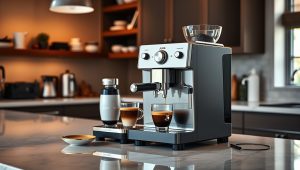
| Manual espresso machine | $100–$250 | Espresso, cappuccinos, and lattes on a budget | Needs grinding, tamping, and cleaning |
| Automatic espresso machine | $350–$800 | Convenience with fresh-ground espresso | More expensive and harder to repair |
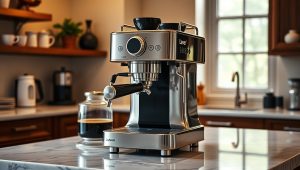
| Drip-and-espresso combination machine | $150–$350 | Households that want both drink styles | Usually mediocre at one or both jobs |
Best affordable choice for most people: a drip coffee maker
See also: Breville Bench Saver • Rocket Espresso Coffee Machine
If you drink two or more mugs of black coffee in the morning, a basic drip machine is difficult to beat for value. It is quick to load, makes enough coffee for several people, and works with inexpensive ground coffee. Look for a model with a removable filter basket, a programmable timer, an automatic shutoff, and a carafe that pours cleanly.
When shopping, you can compare affordable drip coffee makers by capacity and brewing controls. A 10- or 12-cup rating refers to small manufacturer “cups,” not 10- or 12-ounce mugs. A four-cup machine may be the better fit for one person and will take up less counter space.
The cheapest machines are fine when you use pre-ground coffee and do not need a very hot brew. Their common failure modes are weak coffee from an oversized water tank, a hot plate that eventually scorches the last cup, and a plastic carafe that cracks after a fall. A thermal carafe costs more but is worthwhile if coffee sits for an hour or longer.
Best affordable espresso option: a manual machine
A manual espresso machine is the lowest-cost route to real espresso at home. It uses a portafilter and pump rather than capsules, so you can choose your beans and adjust the dose. Many entry-level machines include pressurized baskets, which make it easier to get drinkable results from supermarket coffee. That convenience is useful, but it limits how much control you have over flavor.
Pair the machine with a budget espresso burr grinder if possible. The grinder can matter as much as the machine. A blade grinder produces uneven particles, making shots alternate between thin and bitter. A cheap burr grinder may still struggle with fine adjustment, but it is generally a better starting point.
Manual espresso suits someone who enjoys a short morning routine and is willing to learn. Expect to adjust grind size, dose, and tamping pressure. The most common disappointment is buying a machine and using a coarse grind meant for drip coffee. The result is a fast, watery shot. Another is attempting café-style milk foam with a weak steam wand; inexpensive wands can make large bubbles rather than smooth microfoam.
If you mainly drink Americanos, add hot water after brewing. If you prefer large mugs of coffee, a drip machine remains the better purchase. Espresso machines do not replace drip coffee simply because they cost more.
When a pod machine is the better bargain
Pod brewers are expensive per serving compared with ground coffee, but they can still be the right affordable choice. They reduce mess, deliver a repeatable cup, and let different people choose different drinks. This matters in shared kitchens or offices where convenience is worth more than the lowest ingredient cost.
Choose a single-serve coffee maker with a reusable filter if you want the option of using either pods or fresh grounds. Check the pod system before buying: some machines accept only one proprietary format, while others use widely available capsules. Reusable filters save money but add scooping and cleanup, so they remove part of the convenience advantage.
Pod machines can fail through clogged puncture needles, scale buildup, or a water reservoir that is too small for the household. They are also a poor fit if you want to dial in espresso flavor or avoid disposable packaging. For occasional coffee drinkers, however, avoiding stale beans and unused grounds may offset some of the higher cost per cup.
Should you buy a combination coffee-and-espresso machine?
Combination machines look attractive because one appliance handles drip coffee and espresso. They make sense when counter space is limited and the household truly uses both functions. They are less appealing when the goal is the best drink quality for the money.
In a low-cost combination unit, the “espresso” side may use a pressurized basket or a capsule system, while the coffee side may brew a small batch rather than a full carafe. Some units also have separate water paths that are harder to clean. If one side breaks, you may lose access to both drinks.
Buy one when convenience and footprint matter most. Otherwise, a basic drip machine plus a separate manual espresso machine is usually easier to replace and more flexible. It can also be cheaper if you buy the second appliance later rather than paying for features you rarely use.
Features worth paying for
On a drip machine, prioritize a good showerhead, a removable brew basket, a thermal carafe, and a timer. Temperature certification is useful, but do not assume a premium price guarantees better coffee. Fresh beans, the correct coffee-to-water ratio, and regular descaling usually make a larger difference.
On an espresso machine, a stable portafilter size, a usable steam wand, a removable water tank, and accessible seals are more valuable than a display or numerous preset buttons. A pressure gauge can be interesting, but it does not automatically produce a good shot. Look for replacement baskets and gaskets that are easy to find.
Whatever type you choose, budget for maintenance. Empty drip baskets promptly, rinse espresso parts after every use, and descale according to the water hardness in your area. Ignoring mineral buildup can slow brewing, reduce steam performance, and eventually cause leaks.
The practical buying decision
Buy a drip coffee maker if you want full mugs, low cost, and minimal learning. Buy a manual espresso machine if espresso drinks are the priority and you will use a grinder. Choose a pod brewer if speed and consistency matter more than ingredient cost. Consider an automatic espresso machine only when you will make fresh-ground espresso frequently and the added convenience justifies several hundred dollars.
The cheapest acceptable machine is often the best one when it matches your routine. A $40 drip brewer used every morning is better value than a $300 espresso machine that feels too complicated to operate. Conversely, upgrading from pods to a manual espresso setup can make sense if you already buy several milk drinks each week and enjoy the process.
FAQ
Can an espresso machine make regular coffee?
It can make an Americano by adding hot water to espresso, but the result is not identical to drip coffee. If you prefer a large, mellow mug, buy a drip machine.
Do I need a grinder for an affordable espresso machine?
You can start with pre-ground coffee and a pressurized basket, but a suitable burr grinder gives you more control and usually improves freshness and flavor.
Are cheap coffee makers worth buying?
Yes, if you need basic drip coffee and accept simpler controls. Spend more for a thermal carafe, better programmability, or a larger and more durable build—not just for extra buttons.
How often should I clean the machine?
Rinse removable parts regularly and descale when flow slows or the manufacturer recommends it. Espresso parts need attention after each use, while drip machines generally need less frequent daily cleaning.