Last updated: October 20, 2026
What the Rocket Espresso Milano Actually Costs
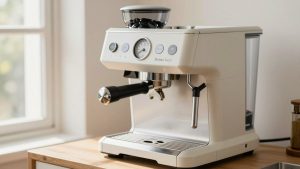
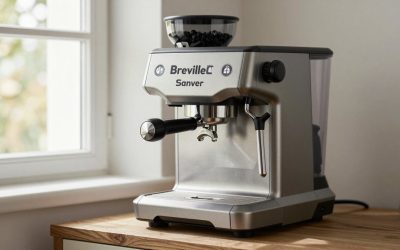
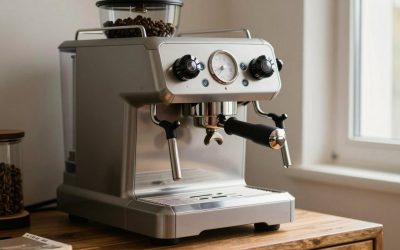
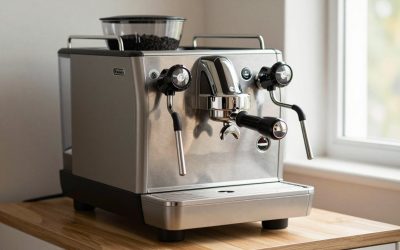
Rocket Espresso Milano is not a separate standalone model in Rocket’s core lineup like the Appartamento or R58. When retailers list a “Milano,” it’s usually a dealer-specific bundle or finish package based on the Appartamento or Mozzafiato chassis, often with upgraded wood accents, a different cup rail, or included accessories. That matters for price because you are essentially paying for a standard Rocket machine plus cosmetics and extras.
As of late 2025 into 2026, expect this range in the US:
It is often the base Appartamento without the Milano trim, or a grey-market import without US warranty support. Rocket’s US warranty requires purchase through an authorized dealer, which does affect resale value.
What You’re Paying For
See also: How to Descale an Espresso Machine: Citric Acid vs Vinegar • Best Electric Kettles: Ten Glass, Steel and Gooseneck Picks Compared
The boiler, group, and internal layout are the same as the donor model.
Typical Milano extras:
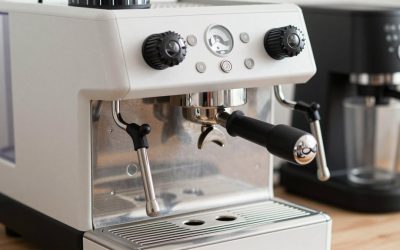
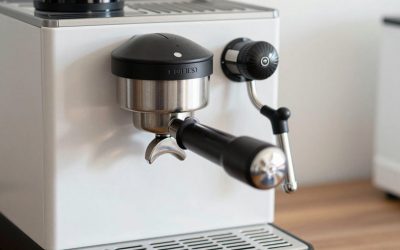
Finish: Custom powder coat (matte white, black, or copper), upgraded wood knobs and portafilter handles, and a different side panel treatment. Rocket’s fit and finish is already good, but these touches are labor-intensive and not cheap to replicate aftermarket.
Accessories: Often includes a Rocket-branded tamper, extra baskets, a backflush kit, or a tamping mat.
Dealer prep: Better dealers will test, dial in pressurestats, and adjust the expansion valve before shipping. That is worth something, especially if you are not comfortable opening the machine.
What you do not get is a fundamental change in how it brews. An Appartamento-based Milano is still a compact heat-exchanger with a vibration pump, 1.8L boiler, E61 group, and no PID. It makes excellent espresso once temperature is managed, but it requires a cooling flush and cannot brew and steam at fully independent temperatures like a dual boiler.
Failure modes to know before you buy: Heat-exchanger machines will run hot after sitting idle. If you pull without flushing, you will scorch light roasts. Vibration pumps are louder than rotary and need about 15-20 seconds to hit full pressure, and they wear faster if you run the reservoir dry. The E61 group needs 20-30 minutes to fully heat soak. Turn it on and pull immediately and you will get sour, thin shots. None of this is a defect, but it is the trade-off for the smaller footprint and lower price versus a dual boiler.
Milano vs. Other Rocket Options
This is where most buyers should focus. The Milano looks great, but the decision is really about which Rocket platform fits your workflow.
| Model | Typical New Price (US) | Boiler Type | Best For | Key Limitation |
|---|---|---|---|---|
| Appartamento (base for most Milanos) | Check on Amazon | Heat-Exchanger, 1.8L | Small kitchens, 1-2 milk drinks at a time | No PID, requires flush, small drip tray |
| Appartamento-based Milano | Check on Amazon | Heat-Exchanger, 1.8L | Same as above, but you want a specific color/wood package | Paying for looks, same brew limits |
| Mozzafiato Cronometro R | Check on Amazon | Heat-Exchanger, 1.8L + PID | Want PID temp control without going dual boiler | Still HX surfing, just more precise |
| Giotto Cronometro R | Check on Amazon | Heat-Exchanger, 1.8L + PID | Slightly larger case, easier service access | Same price overlap with entry dual boilers |
| R58 Cinquantotto | Check on Amazon | Dual Boiler, PID | Back-to-back milk drinks, light roasts | Larger, heavier, more to maintain |
If you are at $2,500+ for a Mozzafiato-based Milano, compare honestly to a dual boiler espresso machine on Amazon at a similar price from Rocket or competitors like Profitec and Lelit. A dual boiler gives you independent brew temperature control and far better consistency for light roasts. The only reason to stay HX at that price is footprint or preference for the E61 workflow.
The Real Cost Beyond the Sticker Price
Rocket machines hold value well, but they are not cheap to run.
Grinder:If you don’t have a grinder yet, factor in a 58mm espresso grinder on Amazon before stretching for the Milano trim.
Water: Scale is the number one killer of E61 machines. If your tap water is hard (over ~80 ppm hardness), you need either bottled water with known mineral content or a filtration system like BWT or Oscar. Descaling a heat-exchanger is not trivial and can push scale into solenoids if done wrong.
Maintenance: Group gasket and shower screen yearly, pressurestat every 3-5 years, vibration pump every 5-7 years with moderate use. E61 levers need periodic lubrication.
Power and warm-up: These machines draw 1200-1400W and need 20-30 minutes to stabilize. Most owners add a smart plug on a schedule. If you want fast heat-up for one morning shot, a thermoblock or fast-heating dual boiler is a better fit.
Who Should Buy the Milano and Who Shouldn’t
Buy the Milano if: You have already decided on an Appartamento or Mozzafiato and you found a Milano colorway you love at a small premium from an authorized dealer with warranty. For a kitchen where the machine lives in plain sight, paying for a finish you will enjoy every day is reasonable. It also makes sense if the bundle includes things you would buy anyway at retail price.
Skip it if: The Milano package costs more than the next model up, you are chasing better temperature stability, or you mainly drink light-roasted single origins. In that case, the money is better spent on a PID-equipped Mozzafiato/Giotto or a true dual boiler. Also skip if you need to plumb in or want a quiet rotary pump — none of the compact HX Milanos offer that.
Consider used: Rockets are built like small tanks with mostly standard E61 parts. A well-maintained used Appartamento with a recent group rebuild is often a better value than a new Milano, especially if you can inspect it pulling a shot and steaming. Ask for photos of the mushroom and water level probe — heavy scale there tells you how it was treated.
Bottom line: Price the Milano against the exact base model it is built on, not against other brands’ entry machines. If the premium is cosmetic, decide with your eyes, not the spec sheet. If the premium pushes you into dual-boiler territory, choose with your palate.
FAQ
Is the Rocket Espresso Milano worth the extra money over the standard Appartamento?
Only if you value the specific finish and the bundle is priced fairly. Brew quality is identical.
What is a fair price for a used Milano?
Pay more only if it includes recent service records, a quality tamper and baskets, or an upgraded grinder.
Does the Milano have PID temperature control?
It depends on the base model. Appartamento-based Milanos do not have PID — you control temperature with a cooling flush. Mozzafiato and Giotto-based Milanos with the “Cronometro R” designation do have PID. Always confirm the base model in the listing.
Where is the cheapest place to buy one?
Authorized dealers are usually cheapest after you factor in warranty, setup, and support. Prices fluctuate, so compare at least two authorized sellers and check for holiday bundles. Grey-market or marketplace sellers may look cheaper but often exclude the US warranty, which can cost you more if you need service.