Last updated: October 20, 2026
What Rancilio machines actually cost right now
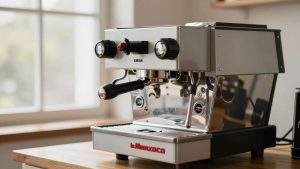
Rancilio doesn’t make a dozen home models. For home use, it’s really three machines, and the price jumps are big enough that you should decide on features before you look at retailers.
Street prices move a bit by retailer and sale, but this is the typical new price range in the US for 2024-2026:
Rancilio Silvia (base model):This is the single-boiler, single-circuit machine that has been around since the late 1990s. No PID from the factory on the current V6, just a thermostat and an iron frame that will outlast most kitchens.
Rancilio Silvia Pro:Dual boiler, PID control for both boilers, and a proper brew pressure gauge. Discontinued but still found as old stock at some dealers.
Rancilio Silvia Pro X:Replaced the Pro. Same dual-boiler layout but adds soft infusion, adjustable auto wake-up, and a digital display. This is the current flagship for home.
It’s a decent pairing, but don’t assume a bundle is a discount – check the grinder price separately. Used prices are lower, but Silvia prices hold unusually well.
Silvia vs Silvia Pro vs Pro X: what the extra money buys
See also: How to Descale an Espresso Machine: Citric Acid vs Vinegar • Best Electric Kettles: Ten Glass, Steel and Gooseneck Picks Compared
The price difference is not about build quality. All three use a heavy stainless chassis, commercial-style 58mm portafilter, and brass boilers. The difference is workflow and temperature control.
| Model | Typical New Price | Boiler System | Temperature Control | Who It Suits |
|---|---|---|---|---|
| Silvia | Check on Amazon | Single boiler, single circuit | Thermostat (wide deadband), no PID | 1-2 milk drinks a day, patient learner who will temperature surf |
| Silvia Pro | Check on Amazon | Dual boiler (0.3L brew + 1.0L steam) | Dual PID, adjustable in 1 degC | Back-to-back shots and milk without waiting |
| Silvia Pro X | Check on Amazon | Dual boiler (0.3L brew + 1.0L steam) | Dual PID + soft infusion + display | Light roasts and anyone who wants gentler pre-infusion |
With the base Rancilio Silvia, you cannot brew and steam at the same time. You brew, flip to steam mode, wait 60-90 seconds for the boiler to climb to ~140 degC, steam, then bleed the boiler back down before the next shot. If you make one cappuccino in the morning, that’s fine. If you make four lattes for guests, it’s tedious.
The Silvia Pro and Rancilio Silvia Pro X eliminate that wait. Two separate boilers mean you can pull a shot while the steam boiler is already at pressure. The PID also means you set 93 degC and it stays at 93 degC. On the base Silvia, the thermostat swings roughly 10-14 degC, so you have to learn temperature surfing – flushing, timing, listening for the heating light – to get consistency.
The Pro X adds soft infusion: for the first few seconds the pump runs at lower pressure to wet the puck before ramping to 9 bar. It helps with channeling, especially on light roasts that are harder to extract. It’s not magic, but it’s the one real extraction difference between Pro and Pro X.
Why the same model can vary by $200
Rancilio enforces MAP pricing but dealers vary on tax, shipping, and included accessories. Check the basket and tamper – the stock plastic tamper is useless and most people replace it immediately.
Version matters less than sellers imply. The current Silvia V6 has better insulation and a new steam wand knob compared to the V5, but the internals are largely the same. Don’t pay a premium for a “newest version” label. On the Pro side, the Pro X is worth the premium over old Pro stock only if you value the display and soft infusion.
Refurbished direct from Rancilio or from reputable espresso dealers is often the smart buy. Avoid Amazon third-party sellers that don’t list warranty terms – Rancilio’s US warranty is 2 years for home use through authorized dealers, and unauthorized sellers can void it.
Running costs and failure modes to budget for
The purchase price is not the whole cost. Plan for this:
Grinder: Non-negotiable. A Silvia will expose a bad grinder instantly. Using pre-ground or a blade grinder will make even the Pro X taste sour or bitter, and no machine can fix that.
Maintenance parts: Group gasket and shower screen every 9-12 months. The Silvia’s 3-way solenoid is reliable but can clog if you never backflush. Backflush with water weekly, with detergent every 2-3 weeks if you make milk drinks daily.
Common failures: On the base Silvia, the thermostat and heating element are the usual suspects after 4-6 years. The rocker switches can get gummed up with steam and start sticking – cheap but annoying. On the Pro/Pro X, the PID boards are reliable, but scale is the killer. Both boilers need soft water. Use filtered water with 50-80 ppm hardness, or a BWT or similar filter jug.
Steam wand tips also pit over time if you soak them in overly aggressive cleaner. Wipe and purge right after steaming instead.
Who should buy which – and when to save your money
Buy the base Silvia if: you want to learn espresso properly, you drink mostly straight shots or Americanos, and you make 1-2 drinks at a time. It’s the most repairable, the community knowledge is huge, and a used one with a PID mod can rival machines twice its price. The trade-off is workflow, not shot quality. A well-surfed Silvia pulls as good a shot as the Pro X on medium roasts.
Buy the Silvia Pro X if: you make milk drinks daily for two or more people, you hate waiting between brew and steam, or you brew light roasts where PID stability and soft infusion actually matter. It’s also the better pick if you don’t want to learn temperature surfing or tinker. You pay for convenience and repeatability.
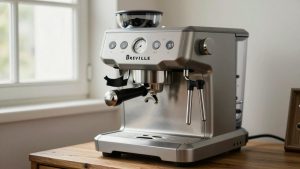
Skip Rancilio if: you want one-touch convenience, built-in grinder, or auto-frothing. None of these machines does that. A Breville / Sage Barista Express or a super-automatic will suit you better, even though the espresso won’t be as good. Also skip if you have very hard water and won’t filter – a heat-exchange machine with easier descaling might be less risky.
Honestly, for many home users the cheaper option is fine. That setup will outperform a brand new Silvia Pro X paired with a weak grinder. Check current listings for espresso grinder options before you stretch for the dual boiler – the grinder moves the needle more than the second boiler does.
How to get a fair price without overpaying
Price track for a week before you buy.
Compare total cost: machine + tax + shipping + a 2-year protection plan if you want one. Some dealers include a 12-month extended service plan that third-party Amazon sellers don’t.
Ask about open-box. That’s often the best value for a new-machine warranty without paying full retail.
FAQ
It depends what you value. The Silvia is simpler, heavier-built, and easier to repair in 10 years. Breville Dual Boiler offers more features for the price – PID, shot timer, volumetric control – but has more electronics that can fail and is harder to service yourself. For longevity and repairability, Silvia wins. For features and out-of-the-box convenience at the same price, Breville often wins.
How much does it cost to add PID to a base Silvia?
It narrows the temperature gap to the Pro models but doesn’t give you dual boilers, so you’ll still wait between brewing and steaming.
Does the Silvia Pro X ever go on sale?
Rarely by much.
What water should I use to avoid expensive repairs?
Use soft, filtered water with low scale potential. Most dealers suggest 50-80 ppm total hardness and low alkalinity. A simple carbon + softening filter jug or an in-line filter is enough for most homes. Avoid distilled or zero-mineral water, which can cause sensors to misread and tastes flat. Check your city water report or use test strips.