Last updated: September 18, 2026
An espresso machine group head distributes pressurized water through the shower screen and into the coffee puck. When coffee oils, grounds, or mineral scale block that path, water may drip slowly, spray sideways, pool above the portafilter, or fail to flow at all. Continuing to brew can strain the pump, create uneven extraction, and force hot water around the portafilter gasket.
Cleaning is usually straightforward, but rushing the job can cause damage. A metal pick can enlarge or scratch tiny water outlets, while removing parts from a hot machine can burn your hands or deform a gasket. The safest approach is to work from the least invasive step to the most thorough one, using the machine manual whenever its group-head design differs from the standard setup described below.
As an Amazon Associate we earn from qualifying purchases at no extra cost to you. Product prices and availability are accurate as of the date shown and are subject to change.

Quick answer: Our top pick in 2026 is the Clean water — our #1 rated choice. See the full ranked comparison, alternatives and buying advice below.
What You Need
| Item | Why | Optional? |
|---|---|---|
| Clean water | Flushes loose grounds and detergent from the group head. | No |
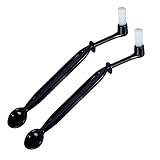
| Soft nylon espresso-machine brush, such as the Number-One Coffee Machine Brush Cleaner, pack of 2, about $9.99 | Cleans around the gasket, shower screen, and group-head channel without scratching metal surfaces. | No |
| Blind filter basket | Seals the portafilter so you can backflush the group head. | No for machines designed for backflushing |
| Espresso-machine cleaning detergent, about $8 to $15 | Dissolves coffee oils during a detergent backflush. | Yes for a minor clog; recommended for oily buildup |
| Screwdriver or manufacturer-specified tool | Removes the shower screen or dispersion plate when the design allows it. | Yes |
| Small bowl, towels, and a soft cloth | Catches dirty water and protects the counter while you work. | No |
| Descaling solution, about $10 to $20 | Addresses mineral scale in the water circuit, which a brush cannot remove. | Yes; use only as directed |
Before starting, turn off the machine, unplug it, and let the group head cool for at least 20 to 30 minutes. Remove the portafilter and empty the drip tray. Never put fingers beneath a group head that may still dispense hot water or steam.
Step-by-Step
See also: How to Replace Espresso Machine Water Filter (2026): Step-by-Step • How to Adjust Espresso Machine Brew Temperature (2026): Step-by-Step
-
Confirm the clog and cool the machine (5 minutes)
With the machine cool, inspect the group head. Look for packed coffee around the rubber gasket, a dirty shower screen, or a visible layer of grounds beneath the screen. If your machine has multiple group heads, check whether the problem affects one group or all of them. A single blocked group usually points to coffee buildup; weak flow from every outlet can indicate scale, a pump issue, or a water-supply problem.
-
Brush away loose coffee (3 to 5 minutes)
Use a soft nylon brush to scrub the underside of the group head, working around the gasket and the edge of the shower screen. Hold a towel or bowl underneath to catch debris. Brush gently rather than forcing the bristles into the gasket. If the brush has a small spoon-shaped end, use it only to scoop loose grounds—not to pry against metal or rubber.
-
Run short water flushes (2 to 4 minutes)
Plug the machine back in and turn it on according to the manufacturer’s instructions. Place a bowl under the group head and run the brew function in short bursts of 3 to 5 seconds, waiting a few seconds between bursts. This can dislodge soft grounds without overheating the pump. Continue until the water flows evenly for about 10 seconds.
If water only dribbles, sprays from one side, or does not emerge at all, stop rather than holding the brew switch continuously. A pump running against a blockage can overheat, and the exact protection behavior varies by machine.
-
Backflush with plain water (5 minutes)
Turn the machine off and insert the blind basket into the portafilter. Lock it into the group head. Backflushing is appropriate for machines equipped with a three-way solenoid valve or a manufacturer-approved cleaning cycle; some simple or lever machines should not be backflushed.
Run the pump for about 5 seconds, then stop for 10 seconds. Repeat this on-and-off cycle five times. Remove the portafilter carefully, rinse it, and repeat the cycle with the blind basket in place. The pressure releases when the cycle stops, so keep the portafilter locked in until the water has discharged.
-
Use detergent if coffee oils remain (10 to 15 minutes)
Place the amount of espresso detergent specified on its label—often about 1/2 teaspoon or one tablet—into the blind basket. Do not substitute dish soap, bleach, vinegar, or general household cleaner. Lock in the portafilter and perform five 5-second pump cycles with 10-second pauses.
Let the detergent sit for about 5 minutes, then remove and rinse the portafilter. Run at least five more cycles with plain water, followed by several short flushes through the group head. The water should be clear and free of bubbles or a detergent smell. If residue remains, continue rinsing rather than making coffee immediately.
-
Remove and clean the shower screen, if permitted (10 to 20 minutes)
Unplug the cooled machine again. If the manual permits removal, use the correct screwdriver to loosen the retaining screw and lower the shower screen. Some machines also have a dispersion plate or diffuser behind it. Take a quick photo before removing parts so they return in the same orientation.
Soak removable metal parts in warm water with a small amount of espresso detergent for 10 minutes. Brush away softened grounds with the nylon brush, rinse thoroughly, and inspect every opening. Do not scrape the holes with a needle, knife, paper clip, or drill bit. If the screen is warped, deeply corroded, or still blocked after cleaning, replace it rather than enlarging the openings.
-
Reassemble and test the flow (5 to 10 minutes)
Reinstall the dispersion plate and shower screen exactly as directed. Tighten the retaining screw until snug; overtightening can distort the screen or damage the threads. Brush the gasket clean, lock in an empty portafilter, and run water for 10 to 15 seconds.
Watch for a reasonably even flow across the screen. A small amount of initial spluttering is normal after reassembly, but persistent side spraying, leaking around the portafilter, or no flow means the blockage may be deeper. Test with a small espresso only after the rinse water is clear and odor-free.
Mistakes to Avoid
- Working while the machine is hot: Group heads, water, and metal screens can cause serious burns.
- Using a sharp metal tool: It can scratch the group head, damage the gasket, or change the size of shower-screen holes.
- Backflushing every machine: Confirm that your model supports it, especially if it is a lever, steam-only, or unusual single-boiler design.
- Using too much detergent: More cleaner does not mean better cleaning and can make rinsing take much longer.
- Removing parts without noting their order: A misplaced diffuser can produce poor flow even when the group head is technically clean.
- Ignoring the water tank and filter: Debris or scale upstream can quickly clog a freshly cleaned group head.
- Forcing the portafilter: If it will not lock in normally, stop and check for an incorrectly seated screen or excess grounds.
How Often
Brush the group head and rinse it after every brewing session. Perform a plain-water backflush at the end of each day if your machine supports backflushing. Use detergent about once a week for daily home use, or every two to four weeks for occasional use. Clean the shower screen monthly, or sooner if flow becomes uneven.
Replace the water-filter cartridge according to its instructions, commonly every two to three months. Descale based on your water hardness and the machine’s program rather than a fixed calendar date. In 2026, many manufacturers use sensors or programmed reminders, but those reminders do not replace visual cleaning.
When to Call a Pro or Replace
Contact a qualified espresso-machine technician if the group head remains blocked after cleaning, the pump makes an unusual rattling or grinding sound, water leaks from the machine body, or the brew pressure is suddenly far outside the manufacturer’s range. A technician is also the right choice if you cannot safely access the screen or suspect a failed solenoid valve.
Consider replacing the shower screen or gasket when it is warped, cracked, permanently hardened, or unable to seal. Replace the group-head assembly only after a technician confirms that the part is damaged. A clean screen and new gasket are usually much less expensive than replacing the entire machine.
FAQ
Can I unclog a group head with vinegar?
Do not pour vinegar into the group head unless the manufacturer specifically allows it. Vinegar may leave an odor, fail to dissolve coffee oils effectively, and damage certain seals or finishes. Use an espresso-machine detergent for coffee residue and an approved descaling solution for mineral scale.
Why does water flow from the group head but not through the portafilter?
The portafilter basket may be clogged with compacted coffee oils or overly fine grounds. Remove the basket, rinse it, and soak it in espresso detergent. If the basket holes remain blocked, replace the basket. Also check that the coffee dose is not so large that it presses against the shower screen.
Can I use a toothpick to clear the shower screen?
A wooden toothpick may break and leave fibers behind, and a metal pick can damage the screen. Start with a nylon brush and detergent soak. If individual holes remain blocked, replacing the inexpensive screen is safer than forcing a sharp object through it.
How do I know whether the problem is scale or coffee buildup?
Coffee buildup usually causes oily residue, dark debris, and problems concentrated around the screen or gasket. Scale often appears as pale, chalky deposits and may reduce flow from multiple outlets or from the hot-water circuit as well. If descaling does not restore flow, stop repeating treatments and have the pump, valve, and internal tubing inspected.
Ready to decide? Our #1 pick for 2026 is the Clean water.
Live price & availability on Amazon.