Last updated: October 2, 2026
What the Oracle Touch Actually Is
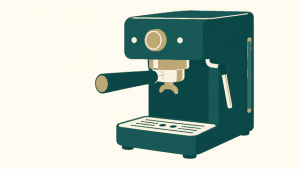
The Breville Barista Oracle Touch is a fully automatic dual-boiler espresso machine that tries to split the difference between a push-button super-automatic and a hands-on prosumer machine. It grinds, tamps, and froths milk automatically, but still brews with a real 58mm portafilter, a proper OPV, and dual stainless boilers rather than a thermoblock and internal brew unit you can’t access.
In practice that means you touch the screen to select latte, flat white, cappuccino, espresso, or Americano, and the machine handles dosing, tamping pressure, and milk texturing. You can also override everything: adjust grind size, change dose time, program brew temperature, set milk temperature and texture, and pull manually if you want. It’s not a true super-automatic where beans go in one end and a latte comes out a spout with no portafilter involved. You still have a portafilter to lock in and knock out.
For the US market this machine is sold as the Breville Barista Oracle Touch. In other markets it’s the Sage Oracle Touch — same machine, different badge.
Who It Suits and Who Should Skip It
See also: Breville Bench Saver • Rocket Espresso Coffee Machine
The Oracle Touch makes sense if you want cafe-quality milk drinks at home without becoming a part-time barista. If your household drinks mostly lattes and flat whites in the morning rush, the automation saves real time. You don’t need to learn to tamp level with 30 pounds of pressure or spend two weeks dialing in milk steaming. The machine does it consistently.
It is also good for households with mixed skill levels. One person can use the touch presets, another can go manual and weigh their dose. You don’t have to train guests.
Skip it if you primarily drink straight espresso and light-roast single origin. The built-in grinder, while capable, is not as precise or as low-retention as a good standalone grinder, and you cannot easily swap to a different burr set or do single-dosing without waste. You will outgrow it if espresso is your hobby. And if you want to plumb in, experiment with flow profiling, or run a rotary pump for near-silent operation, this is the wrong architecture.
Daily Workflow: What It’s Like to Live With
From cold start, the Oracle Touch heats both boilers in about 60-90 seconds. Select your drink on the touchscreen, and the grinder doses directly into the portafilter sitting in the cradle. An automatic tamp lowers, compresses, and polishes. Lock in, press brew, and the auto-steam wand simultaneously textures milk to your preset temperature and foam level.
A flat white takes roughly 60-75 seconds from button to finished drink including grinding. Cleanup is knocking the puck, rinsing the portafilter, and wiping the steam wand. The wand is auto-purging, so you don’t have to remember to blast it.
The touchscreen lets you save up to eight custom drinks with name, coffee strength, milk texture, and temperature. That’s useful if one person wants a 150°F silky flat white and another wants a 140°F extra-foamy cappuccino. You can also drag to adjust dose and extraction time after the machine suggests a setting.
Water tank is 84 oz in the back, drip tray is generous but fills quickly if you make several milk drinks back-to-back because of auto purges. The machine reminds you to do its automatic cleaning cycle and descaling. Ignore those prompts and you’ll shorten its life.
Grinder and Automatic Milk: The Core Trade-Offs
The integrated Baratza-made conical burr grinder is a 45mm steel burr set with auto-dose by time, not weight. Breville’s auto-tamp applies consistent pressure, which removes one huge variable for beginners. You adjust grind size with a dial on the side.
Pros: No separate grinder, no tamping mat, no distribution tool needed to get a decent extraction. Shot-to-shot consistency is high for medium and medium-dark roasts. The hopper holds 280g and has a well-sealed lid.
Cons: Retention is around 2-4 grams, so switching beans or grind settings wastes some coffee. Stepped adjustment is fairly coarse — one click can be the difference between a 22-second and a 32-second shot. It struggles a bit with very light roasts that need a finer, more precise grind. If the grinder motor or auto-tamp mechanism fails, you lose both grinder and brewer until repaired, unlike a separate grinder setup.
The automatic steam wand is the other defining feature. You set desired temperature (130-170°F) and foam level (eight levels), insert the jug, and it steams and shuts off. The texture is genuinely good — glossy microfoam suitable for latte art if you use cold, fresh whole milk and a 12oz jug filled to the lower mark. With oat or almond milk, results are more inconsistent. You can also switch to manual steaming if you want control.
Failure modes to know: the milk temperature sensor is in the wand tip. If milk bakes onto it, readings drift and it will under- or over-heat. Wipe after every drink and soak the tip weekly. The grinder chute clogs if you use very oily, dark French roasts — you’ll get clumping and channeling.
Brewing Performance
The Oracle Touch uses dual stainless boilers: a 0.9L brew boiler with PID at 93°C +/- 1°C and a dedicated steam boiler. The 15-bar Italian pump is over-pressure valved to ~9 bar at the group. Pre-infusion is low pressure for 5-10 seconds, then full pressure. Triple heat system keeps stability decent even if you pull two shots and steam consecutively.
Extraction quality is solidly in the prosumer range for medium roasts. It won’t match a machine with volumetric flow control or a larger brew boiler for back-to-back entertaining, but for 2-4 milk drinks each morning, temperature is stable and recovery is fast. The 58mm non-pressurized baskets are standard Breville double-wall/single-wall sets. Use the single-wall if you are weighing dose.
Reliability and What Breaks
Breville build is mostly stainless with some plastic internals. Expect a 2-year warranty in the US. Common issues after 2-4 years of daily use seen in owner groups and tech forums:
Group head solenoid and o-rings weeping, leading to slow leaks into the drip tray. Grinder calibration drifting and needing a shim or burr replacement. Touchscreen becoming less responsive if steam escapes around the group seal. Descale neglect causing steam boiler sensor faults — this is the number one killer. If you have hard water, use filtered water and replace the in-tank filter on schedule.
Repairability is not like an E61 machine where any tech can source generic parts. Many Oracle-specific parts are Breville-only. Extended service plans are worth considering if you plan to keep it beyond year two. Daily descaling and not letting the machine sit with old water in the tank will prevent most problems.
How It Compares
The Oracle Touch sits at the top of Breville’s automated line. Here’s where it fits against its closest siblings:
| Machine | Boiler | Grinder / Tamping | Milk System | Best For |
|---|---|---|---|---|
| Oracle Touch | Dual boiler, PID | Integrated conical, auto-dose + auto-tamp | Auto steam wand with temp/texture presets + manual mode | Hands-off milk drinks with minimal learning curve |
| Oracle (non-Touch) | Dual boiler, PID | Same integrated grinder + auto-tamp | Auto steam wand, dials instead of touchscreen | Same brewing, if you prefer dials and save ~$300 |
| Barista Touch | Single boiler + thermocoil, PID | Integrated conical, auto-dose, manual tamp | Auto steam wand | Tighter budget, 1-2 milk drinks at a time |
| Dual Boiler BES920XL | Dual boiler, PID, adjustable pre-infusion | None — requires separate grinder | Manual steam wand, powerful but manual | Espresso hobbyists who want separate grinder and more control |
If you look at automatic espresso machines broadly, the Oracle Touch competes less with Jura or DeLonghi super-automatics and more with semi-automatics that automate the hardest steps. Compared to a true super-automatic, it makes better espresso but asks you to handle the portafilter. Compared to semi automatic espresso machines with a standalone grinder, it is faster but less flexible.
When the Cheaper Option Is Fine
The honest truth: for many buyers, the Barista Touch or Barista Express Impress does 80% of what the Oracle Touch does for half the price. If you only make one cappuccino before work and you don’t mind tamping manually, you will be happy and save $1,000+.
The Oracle Touch justifies its price if you make 3+ milk drinks every morning, value the auto-tamp consistency, or have two people with different drink preferences who won’t tolerate a learning curve. The dual boiler matters only if you steam and brew at the same time or entertain. If you pull one shot, steam, then pull the next, you don’t need dual boilers.
Also consider separates: a Breville Dual Boiler plus a good standalone grinder like a Eureka Mignon or DF64 will cost about the same as an Oracle Touch and will produce better straight espresso and allow you to upgrade the grinder later. You lose the touchscreen automation and auto-tamp. For a household that cares about espresso quality over convenience, separates are the better long-term investment. Browse current pricing on Breville Barista Oracle Touch listings and compare total cost with a grinder before you decide.
FAQ
Can the Oracle Touch make good espresso with light roasts?
It can, but it’s not its strength. The integrated grinder lacks fine, stepless control and retention makes dialing in light roasts wasteful. If you drink light roasts exclusively, pair a Dual Boiler or similar with a dedicated low-retention grinder instead.
Do I still need to weigh and dial in?
Less than a manual machine, but yes if you want consistency. Auto-dose is time-based, so dose varies with grind size and bean density. Weigh your output for the first few days on new beans, then let automation take over once you’ve locked grind and dose time.
Is it hard to clean?
Daily maintenance is easy: knock puck, rinse portafilter, wipe wand. Weekly, soak the steam tip and clean the grinder chute. The machine prompts for a cleaning cycle and descaling. Use soft or filtered water to reduce scale in the steam boiler, which is the most expensive repair to avoid.
Should I buy the Oracle Touch or the regular Oracle?
Brewing hardware is identical. The Touch adds the color touchscreen, customizable drink profiles, and easier programming. If you like presets for multiple users, get the Touch. If you prefer simple dials and want to save money, the non-Touch pulls the same shot.