Last updated: October 2, 2026
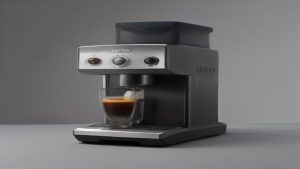
The Breville Barista Express is a popular choice for making lattes at home because it combines a grinder, espresso machine, and steam wand in one countertop appliance. It can produce a satisfying latte, but it is not a one-button milk drink maker. You need to grind, tamp, extract, steam, and clean after each use.
That hands-on process is the main reason to buy it—and the main reason some people stop using it. If you want café-style control and do not mind a short learning curve, the Barista Express makes sense. If you want a latte ready with minimal effort, another type of machine may suit you better.
What the Barista Express does for lattes
The machine uses a built-in conical burr grinder, a portafilter for brewing espresso, and a manual steam wand for heating and texturing milk. You choose the grind size and dose, tamp the coffee, start the shot, and then steam the milk separately.
For a latte, start with one or two shots of espresso in a larger cup. Purge the steam wand briefly, place its tip just below the milk’s surface, and introduce a small amount of air. Once the milk begins to expand, lower the pitcher slightly so the milk rolls in a smooth whirlpool. Stop around 140 to 150 degrees Fahrenheit, or when the pitcher is hot but still briefly touchable. Pour the milk into the espresso while it is glossy and free of large bubbles.
The machine can make fine microfoam, but the result depends heavily on technique. The wand is capable; it is not automatic.
Is it a good buy for latte drinkers?
See also: Gene Cafe Drum Roaster • Nespresso Vertuo Next Pod Holder
It is a strong fit for someone who wants freshly ground espresso without buying a separate grinder immediately. The integrated grinder saves counter space and simplifies the initial setup. You can also adjust the grind as beans age or as you learn to improve extraction.
Its weaknesses are just as practical. The grinder is less convenient than a dedicated espresso grinder, and changing beans can leave old grounds in the chute. The included milk pitcher is usable, but a larger or better-marked pitcher may be more comfortable for making two drinks. The machine also takes more time than a pod brewer or superautomatic espresso machine.
For a first espresso setup, you may want a basic espresso machine cleaning kit. A blind filter, cleaning tablets, a group-head brush, and a steam-wand brush make routine maintenance easier.
| Option | Latte quality | Convenience | Best for |
|---|---|---|---|
| Breville Barista Express | High with practice | Moderate | People who want manual control and an integrated grinder |
| Pod espresso machine with milk frother | Consistent but less adjustable | High | Fast, low-mess weekday drinks |
| Superautomatic espresso machine | Good to very good, depending on model | Very high | Users who want drinks made by pressing a button |
| Separate grinder and espresso machine | Potentially highest | Low to moderate | Enthusiasts willing to use more counter space |
A practical latte workflow
Use fresh beans roasted for espresso, but do not assume darker beans are automatically easier. Very dark coffee can taste bitter if the shot runs slowly, while lighter coffee usually needs more careful dialing in.
Begin with the machine warmed up and the portafilter heated. Grind into the basket, distribute the grounds evenly, and tamp with level pressure. The exact timing matters less than consistency: if one shot is fast and another is slow, change one variable at a time.
A shot that gushes into the cup often points to a grind that is too coarse, an under-dose, or uneven distribution. A shot that barely drips may be too finely ground, overdosed, or tamped with grounds piled unevenly. These problems are common and do not necessarily mean the machine is defective.
Steam the milk immediately after brewing. Wipe and purge the wand as soon as you finish; dried milk is harder to remove and can block the tip. Rinse the portafilter and basket, empty the drip tray when needed, and backflush or run the cleaning cycle according to the manual.
Milk frothing: where most beginners struggle
Large bubbles usually mean the wand tip was too high for too long. Flat, hot milk usually means there was not enough air introduced early in the process, or the milk was overheated. Keep the pitcher moving enough to create a rolling motion rather than simply holding it still.
Whole milk is generally forgiving because its fat and protein make a creamy foam. Lower-fat and plant-based drinks vary considerably. Barista-style oat or soy drinks often steam more easily than ordinary versions, but they can still separate if overheated. No milk type guarantees identical results, so start with a small amount while learning.
If you mainly want foam for cappuccinos and do not care about practicing latte art, an electric milk frother is a reasonable alternative. It is easier to use and clean, although it usually produces a different, drier foam than a steam wand. The cheaper option is fine when convenience matters more than silky microfoam.
Accessories worth buying—and those you can skip
A precise coffee scale is one of the most useful additions. It helps you repeat a dose and measure the espresso yield instead of judging every shot by volume. A small espresso scale with a timer should fit beneath the cup and portafilter.
A good grinder upgrade is not an immediate requirement because the Barista Express already includes one. Buy a separate grinder only if you want faster adjustment between coffees, lower retention, or more control over extraction. Likewise, a distribution tool is optional. Evenly distributing the grounds with a simple technique is more important than buying several accessories.
A second pitcher can be useful if you make two different milk drinks, but it is not essential. You can also use ordinary ceramic cups while learning; latte glasses are mostly a matter of presentation and capacity.
Who should buy the Barista Express?
Buy it if you want a single machine that can make genuinely good espresso and textured milk, have room for a roughly full-size countertop appliance, and enjoy learning a repeatable routine. It is especially sensible for a latte drinker who would otherwise need to purchase both an espresso machine and a grinder.
Choose something simpler if several people need drinks quickly, if nobody wants to weigh coffee or clean a steam wand, or if the machine will sit unused between occasional weekend drinks. A pod system or automatic machine may produce a less customizable latte, but it can be the better purchase when ease of use determines whether you actually make coffee at home.
The Barista Express is not the cheapest path to milk coffee, and it is not the easiest. Its value comes from giving you control without requiring a separate grinder from day one. Expect a learning period, accept that some shots will fail, and it can become a capable daily latte machine.
FAQ
Can the Barista Express make latte art?
Yes. Its steam wand can create smooth microfoam suitable for basic latte art, but success depends on milk texture and pouring technique rather than the machine alone.
How long does it take to make a latte?
After the machine is ready, allow roughly five to ten minutes for grinding, brewing, steaming, pouring, and cleanup. Beginners may need longer while dialing in the coffee.
Is the built-in grinder good enough?
It is good enough for many home latte drinkers and keeps the setup compact. A separate grinder becomes worthwhile when you want quicker adjustments, more consistency, or better control across different beans.
Can I use plant-based milk?
Yes, but results vary by brand and formula. Barista-style oat and soy drinks often foam more reliably. Steam gently and avoid overheating, since separation can occur.