Last updated: October 2, 2026
A “latte machine” can mean anything from a $40 handheld frother to a $1,500 super-automatic that grinds, brews, and steams at one button press. The right choice depends less on budget than on how much of the process you want to do yourself. Here’s how the options actually break down after years of pulling shots and steaming milk on most of these categories.
What a latte actually requires
A latte is two things: espresso (or something close to it) and steamed milk with fine microfoam. Every machine that claims to make lattes is solving one or both of those problems. The important distinction is pressure. Real espresso needs around 9 bars of pressure pushing water through finely ground, tamped coffee. Machines that skip this — drip makers with “latte” buttons, capsule systems that brew long drinks — are making strong coffee plus milk, not a latte. That can still taste good, but you should know what you’re paying for.
Semi-automatic espresso machines
See also: Gene Cafe Drum Roaster • Nespresso Vertuo Next Pod Holder
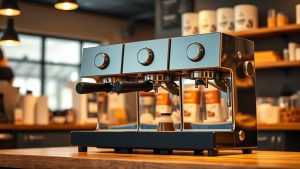
This is the classic route: you grind, dose, tamp, pull the shot, then steam milk in a pitcher with a wand. It’s the most work and the best milk texture you can get at home. A proper steam wand gives you control a frother never will — you can make wet paint-textured microfoam for latte art or drier foam for a cappuccino.
The trade-offs are real. Budget machines under ~$300 often use pressurized portafilters and thermoblock boilers that produce thin, bubbly steam. They work, but steaming a pitcher takes 60–90 seconds of wheezing and the foam collapses fast. Single-boiler machines also force you to wait between brewing and steaming, which gets old when you’re making two drinks.
Who it suits: anyone who enjoys the ritual, wants latte-art quality milk, or plans to keep improving. If that sounds like you, browse espresso machines with steam wands and look for a 58mm portafilter and a machine with a real boiler or a fast thermojet — those two details predict milk quality better than price alone.
Failure mode to know: the grinder matters as much as the machine. A $600 machine with pre-ground supermarket coffee makes worse lattes than a $300 machine with fresh beans ground properly.
Super-automatic machines
Push a button, get a latte. These grind, brew, and either steam milk through an automatic carafe or a tube that sucks milk from a container. For households where two people want lattes before work with zero effort, nothing else competes.
Honest assessment: the milk is good, not great. Automatic systems produce foam that’s slightly too stiff and too hot compared to hand-steamed milk, and the espresso itself is usually a step below a decent semi-automatic — super-automatics brew with less control over pressure and puck prep. Milk systems also need religious cleaning. Skip the daily rinse cycle for a few days and you’ll get sour milk residue in the tubing, which is the single most common complaint in this category.
Who it suits: convenience-first buyers, offices, households making 3+ milk drinks daily. Budget $700+ for one worth owning; cheap super-automatics have grinders and brew units that fail early.
Capsule machines with milk options
Capsule systems like Nespresso paired with a milk frother are the middle path. The coffee is consistent and genuinely espresso-like (Nespresso Original machines do brew under pressure). Milk comes from a separate frother — either a jug-style unit that heats and whips automatically or a steam wand attachment on some models.
The milk from an automatic jug frother is foamy but not microfoam. It sits on top of the drink rather than integrating, so latte art is out and the texture is more like a cafe au lait with a cap. For many people this is completely fine — the drink tastes good, cleanup is trivial, and the whole process takes two minutes.
Who it suits: people who want decent lattes with almost no learning curve or cleanup. Per-capsule cost adds up (roughly 70¢–$1.10 per drink before milk), so heavy drinkers should do the math.
The budget route: strong coffee plus a separate frother
You don’t need an espresso machine to make something in the latte family. A moka pot or AeroPress produces concentrated coffee, and a countertop electric milk frother or even a $15 handheld wand handles the milk. Total outlay can be under $80.
What you lose: true espresso flavor (no crema, less intensity) and microfoam texture. What you gain: near-zero cost, easy cleanup, and a drink that satisfies most people’s latte craving. If you’re not sure how deep the espresso hobby will go, start here. An AeroPress plus a frother is the lowest-risk way to find out.
Quick comparison
| Type | Typical cost | Milk quality | Effort per drink | Cleanup burden |
|---|---|---|---|---|
| Semi-automatic + wand | $300–800+ | Excellent (real microfoam) | High, ~5 min | Moderate (purge wand, knock puck) |
| Super-automatic | $700–1,500+ | Good, slightly stiff foam | Minimal, ~1 min | High (daily milk system cleaning) |
| Capsule + auto frother | $150–350 | Foamy, not microfoam | Low, ~2 min | Low |
| Moka/AeroPress + frother | $60–120 | Foamy, not microfoam | Medium, ~4 min | Very low |
Which one I’d actually buy
If you’ll use it daily and enjoy the process: a semi-automatic in the $400–600 range with a grinder, because the milk texture ceiling is highest and the machine won’t hold you back as you improve. If coffee is fuel, not hobby: a capsule machine plus frother — the consistency beats a cheap espresso machine used badly. If you’re making lattes for a family every morning: super-automatic, and commit to the cleaning routine. If you’re undecided: spend $80 on the moka pot and frother route first. You’ll know within a month whether you want to upgrade or whether you’re already happy.
FAQ
Do I need a machine that makes espresso specifically?
For a true latte, yes — but concentrated coffee from a moka pot or AeroPress gets you 80% of the experience for a fraction of the cost. Most people can’t tell the difference once milk is added.
Can a handheld frother make latte art?
No. Handheld and jug frothers create foam, not the silky microfoam that pours into patterns. For latte art you need a real steam wand, which means a semi-automatic espresso machine.
What’s the minimum spend for a decent latte setup?
Around $60–80 with a moka pot and handheld frother. For actual espresso with steamed milk, $300–400 is the floor where machines stop fighting you.
Are super-automatics worth the money?
If convenience is your top priority and you’ll make milk drinks daily, yes. If you only drink lattes on weekends, the cost and cleaning routine aren’t justified — a capsule machine covers that use case for a third of the price.