Last updated: October 2, 2026
A “latte maker” isn’t really one thing. It’s any setup that produces espresso (or concentrated coffee) plus steamed milk, and the right one for you depends on how much effort you want to put in every morning versus how much you care about texture. I’ve used everything from a $40 moka pot and a hand frother to full superautomatics, and the honest answer is that most people overspend on the espresso side and underspend on the milk side — the milk is what makes it a latte.
The four realistic options
Fully automatic / superautomatic machines. Press a button, get a latte. Machines in this category grind, tamp, brew, and froth milk automatically, usually via a milk carafe that plugs into the front. They’re the only true one-touch option, and for households where two people want different drinks before work, they’re worth it. The trade-offs: they cost $600-$1,500+, the milk circuits need regular cleaning or they get genuinely gross (sour milk smell in the lines is the classic failure mode), and the foam tends toward airy rather than silky microfoam. If convenience is the whole point, this is the correct buy.
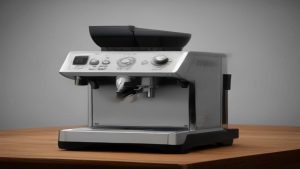
Semi-automatic espresso machine with a steam wand. This is the enthusiast route and the one that makes the best milk. A single boiler or dual boiler machine plus a decent grinder produces real microfoam — the glossy, pourable texture that lets you do latte art. The learning curve is real: expect a week or two of scalded or bubbly milk before it clicks. It also means owning two appliances (machine + grinder) and a morning ritual that takes 5-10 minutes. If that sounds appealing rather than annoying, browse espresso machines with steam wands and budget roughly the same again for the grinder.
Pod machine plus a standalone frother. The middle path. A capsule machine handles the coffee; an electric frother handles the milk. Total spend is usually $200-400, cleanup is minimal, and results are consistent. The coffee is not espresso in the strict sense — it’s concentrated and pleasant, but thinner. The frothers themselves are good; most heat and foam milk in about 90 seconds with one button. This suits people who want a latte, not a hobby.
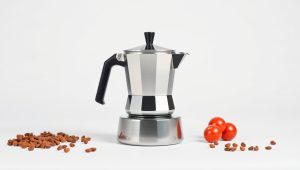
Moka pot or AeroPress plus a frother. The budget route, and I’d argue underrated. A stovetop moka pot makes strong, espresso-adjacent coffee for under $50, and pairing it with an electric milk frother gets you a very decent latte for around $100 total. What you lose: crema, pressure, and the ability to texture milk properly (frothers make foam, not microfoam). What you gain: almost nothing can break, and the parts are cheap to replace.
How they compare
See also: Gene Cafe Drum Roaster • Nespresso Vertuo Next Pod Holder
| Setup | Typical cost | Milk quality | Effort per drink | Main failure mode |
|---|---|---|---|---|
| Superautomatic | $600-1,500+ | Good, airy foam | One button | Milk lines clog/spoil if not cleaned |
| Semi-auto + steam wand | $400-1,000 (+ grinder) | Excellent microfoam | 5-10 min, learned skill | Learning curve; needs good grinder |
| Pod machine + frother | $200-400 | Good | ~2 min | Thin coffee; pod cost adds up |
| Moka pot + frother | $80-130 | Foam, not microfoam | ~6 min | Easy to over-extract coffee |
A word on standalone frothers
If you’re going the pod or moka route, the frother matters more than the coffee device. There are three types:
- Jug-style electric frothers (heat and whisk automatically). Best results, easiest to use, $40-100. Most have hot and cold settings and a nonstick interior. Get one with a removable whisk — fixed whisks are harder to clean.
- Handheld wand frothers ($10-20). They aerate warmed milk reasonably well but produce big-bubble foam that collapses fast. Fine for occasional use; frustrating as a daily tool.
- French press method. Free if you own one. Pump the plunger in heated milk 20-30 times. Surprisingly decent texture, closer to microfoam than a wand gets, but it’s manual work.
Who should buy what
Buy a superautomatic if you drink 2+ milk drinks daily, multiple people use it, and cleaning a milk carafe weekly doesn’t bother you. Skip it if you’ll resent the maintenance — neglected milk systems are the number one reason these machines disappoint.
Buy a semi-automatic if the idea of dialing in espresso sounds fun, you want the best possible milk texture, and you have counter space for a grinder. Skip it if you want coffee fast before you’ve fully woken up — there’s no shortcut around the warm-up and technique.
Buy the pod-plus-frother combo if you want consistent results, minimal mess, and you’re realistic that pod coffee isn’t espresso. This is also the best gift option — check frother and espresso machine bundles if you’re shopping for someone else, since the whole kit arrives as one gift.
Buy the moka pot route if budget is the constraint or you want a backup setup. Don’t let anyone tell you it doesn’t count — a $100 setup that gets used daily beats a $1,000 machine gathering dust.
Where to spend and where to save
Spend on the milk side if texture matters; spend on the coffee side if flavor matters. A cheap frother paired with good beans and a moka pot will still make an enjoyable drink. The reverse — an expensive machine with stale pre-ground coffee — won’t. And whatever you buy, fresh milk froths better than milk that’s been open a week, and whole milk froths more forgivingly than skim. Oat milk labeled “barista” is the only alt-milk that reliably behaves.
FAQ
Can I make a latte without an espresso machine?
Yes. A moka pot or AeroPress makes coffee concentrated enough to stand up to milk. The drink won’t have crema or the same intensity, but paired with a decent frother it gets you 80% of the way there for a fraction of the cost.
Do cheap frothers actually work?
Handheld wands work but make coarse foam that dissipates quickly. Jug-style electric frothers are the meaningful upgrade — they heat to the right temperature and produce consistent foam with zero technique. If you’ll use it daily, spend the $60.
How much should I spend on a first setup?
$100-150 gets a moka pot plus frother — enough to learn whether you even like making lattes at home. Only jump to $500+ once you know you’ll use it daily and want better texture.
Why does my milk never froth properly?
Usually one of three things: milk too old or too warm before you start (use it cold, straight from the fridge), the wrong milk type (skim and non-barista alt-milks are finicky), or with a steam wand, the tip sitting too deep — you need it just under the surface to stretch the milk first.