Last updated: October 2, 2026
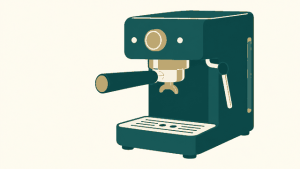
Choosing the best home manual espresso machine depends less on the badge on the front and more on how much control—and work—you actually want. In this category, “manual” can mean a true lever machine, where you physically create the brewing pressure, or a semi-automatic machine, where you control grinding, dosing, tamping, and shot timing while a pump supplies pressure.
For most people, a semi-automatic machine is the better starting point. A lever machine can make excellent espresso and is satisfying to use, but it demands more attention to grind size, pre-infusion, pressure, and temperature. The cheapest suitable option is often fine if you already own a capable grinder and do not need convenience features.
What “manual espresso machine” means
A true manual lever machine has no automatic shot button. You raise or pull a lever to move water through the coffee, and your hand controls much of the pressure profile. Some use a spring-loaded lever that provides a more repeatable pressure curve; others let you control pressure directly.
A semi-automatic machine still requires manual preparation, but an electric pump provides brewing pressure. You usually start and stop the shot yourself. This is the format most home baristas mean when they search for a manual espresso machine.
Neither type is automatically better. Lever machines offer a more tactile experience and can be quiet, compact, and attractive. Semi-automatics are easier to learn, faster for multiple drinks, and generally more forgiving when your technique is inconsistent.
The best type for different buyers
See also: Breville Bench Saver • Rocket Espresso Coffee Machine
| Machine type | Best for | Main advantage | Main drawback |
|---|---|---|---|
| Direct-lever machine | Hands-on enthusiasts | Maximum control and quiet operation | Steep learning curve and slower workflow |
| Spring-lever machine | Lever fans who want more repeatability | Distinctive pressure profile with less constant force | Still requires careful preparation and temperature management |
| Single-boiler semi-automatic | Most home users making one or two drinks | Good value and straightforward operation | Must switch between brewing and steaming |
| Dual-boiler or heat-exchanger machine | Frequent milk-drink makers | Better steaming workflow and temperature control | Higher cost, larger footprint, and more maintenance |
What to look for before buying
A good grinder comes first. Espresso needs a narrow range of grind sizes and small adjustments. A machine with a mediocre grinder will waste much of the benefit of an expensive brew system. If you do not already have one, budget for a dedicated espresso grinder, not just a general-purpose blade grinder. The grinder is often the more important purchase.
Check the basket size and availability. Common commercial-style baskets are easier to replace and give you more options for precision accessories. Some inexpensive machines use small or pressurized baskets. Pressurized baskets can produce drinkable results with pre-ground coffee, but they hide grind and dosing problems rather than solving them. They are useful for beginners, but limiting if you want to improve.
Consider temperature control. Basic single-boiler machines can make excellent espresso, but they may need a short warm-up or temperature-surfing routine. After brewing, the boiler may need time to heat up for steam. That is not a defect; it is the trade-off for a lower price and smaller machine. A dual-boiler machine is worthwhile mainly if you regularly make several milk drinks in succession.
Look for a usable water tank and accessible maintenance points. A tiny tank becomes irritating quickly, especially when steaming. Removable tanks are easier to fill, while plumb-in systems are convenient but add installation requirements. Make sure the drip tray, group gasket, and shower screen are easy to remove and clean.
When a lever machine is the right choice
Choose a lever machine if the process is part of the appeal. You will typically preheat the group, prepare a carefully measured dose, manage pre-infusion, and adjust your pull based on how the coffee responds. This can produce a rich, expressive shot, but it is not a push-button morning routine.
Lever machines are especially appealing for one or two espresso drinkers who enjoy straight espresso and do not mind repetition. They are less suitable for a busy household, rushed weekday mornings, or anyone expecting every shot to taste identical without practice.
The common failure mode is blaming the machine when the real problem is the grinder or puck preparation. A grind that is slightly too coarse can produce a fast, thin shot; a grind that is too fine can choke the machine or make the lever unpleasantly difficult to pull. Uneven distribution can also create channeling, where water finds weak paths through the coffee and leaves both harsh and sour flavors in the same cup.
When a semi-automatic machine is the better buy
A single-boiler semi-automatic machine is the sensible choice for most first-time buyers who want to learn espresso without turning every drink into a project. It provides manual control over the important variables while keeping pressure more consistent than a direct lever.
Look for a machine with a stable portafilter, a proper steam wand if you drink milk beverages, and controls that are easy to operate while the machine is hot. A semi-automatic espresso machine with a basic single boiler can be enough for lattes, cappuccinos, and occasional straight espresso.
The main compromise is workflow. You may need to wait between brewing and steaming, and inexpensive steam wands can be slow or produce coarse bubbles. If you mostly drink black coffee, spending more for powerful steam performance makes little sense. If you prepare four milk drinks every morning, the extra cost of a heat-exchanger or dual-boiler design is easier to justify.
How much should you spend?
At the low end, a machine with a pressurized basket can be fine for pre-ground coffee, occasional use, and a modest budget. It is the right answer if convenience matters more than dialing in shots. Do not pay for advanced temperature systems if you are not prepared to use a capable grinder.
In the middle range, a solid single-boiler machine paired with a good grinder usually gives the best balance. This is where buyers get meaningful manual control without paying for café-style steam capacity they may never use.
Higher-priced machines buy better temperature stability, faster recovery, stronger steaming, improved ergonomics, and sometimes easier serviceability. They do not remove the need for fresh coffee, accurate dosing, distribution, and cleaning. A costly machine paired with stale beans can still produce poor espresso.
Maintenance and common problems
Clean the portafilter and basket after each use, wipe and purge the steam wand immediately after steaming, and empty the drip tray before it overflows. Backflush only as directed by the manufacturer, and descale according to the machine’s water guidance rather than on an arbitrary schedule.
Leaking around the portafilter usually points to an incorrectly seated basket, an overfilled dose, or a worn group gasket. A weak, fast shot usually calls for a finer grind or better puck preparation. A machine that takes too long to heat may have a scale problem, an aging heating element, or simply a small boiler designed for light use.
Our buying advice
For most households, buy a single-boiler semi-automatic machine and put the remaining budget toward a proper grinder. Choose a lever machine only if you specifically want the hands-on ritual and accept a longer learning curve. Choose a dual-boiler or heat-exchanger machine when milk drinks are frequent enough that waiting between functions has become a real annoyance.
The best manual espresso machine is therefore the one that matches your routine. A simpler machine used consistently will beat a more advanced machine that is too complicated to warm up, clean, or dial in on a busy morning.
FAQ
Is a manual lever machine difficult to use?
It takes more practice than a semi-automatic machine because you control more of the brewing process. Expect to adjust grind size, dose, and lever technique before your shots become consistent.
Do I need an espresso grinder?
For non-pressurized baskets, yes, a capable espresso grinder is strongly recommended. Pre-ground coffee can work in a pressurized basket, but it gives you less control and usually becomes stale faster.
Is a single-boiler machine enough for milk drinks?
Yes, if you make one or two drinks and can tolerate a short wait between brewing and steaming. Frequent milk-drink preparation favors a heat-exchanger or dual-boiler machine.
Are expensive manual machines worth it?
They can be, but mainly for better temperature stability, steaming speed, build quality, and workflow. If your grinder and coffee are not already suitable, upgrading those may improve the cup more.