Last updated: October 2, 2026
A machine that makes good espresso and a machine that makes good cappuccino are not automatically the same thing. Espresso quality lives in the pump pressure, temperature stability, and your grinder. Cappuccino quality lives in the steam — how dry it is, how much power the boiler or thermoblock can deliver, and whether the wand lets you texture milk rather than just warm it. So when you’re shopping for a cappuccino and espresso maker, you’re really buying two systems bolted together, and the cheap ones almost always fail on the milk side first.
What actually matters
Three specs separate decent machines from frustrating ones:
- Steam power. A weak steam system produces hot milk with big soapy bubbles — fine for a latte, wrong for cappuccino foam. You want enough pressure to create a whirlpool and roll microfoam.
- Recovery time. Single-boiler machines make you wait between pulling the shot and steaming, which is when crema dies and milk gets impatient. Thermoblocks recover fast; true dual boilers don’t need to.
- Panarello vs. commercial wand. Beginner machines ship with a panarello sleeve that injects air for you. It’s forgiving but gives you less control. A standard single-hole wand has a learning curve of maybe two weeks and produces café-quality texture after it.
One thing that matters less than marketing suggests: pump bar ratings. Anything claiming 15–19 bars is describing maximum pump pressure, not brewing pressure — real espresso extracts at around 9 bars regardless.
The main options, by type
See also: Gene Cafe Drum Roaster • Nespresso Vertuo Next Pod Holder
Semi-automatic with manual wand is the sweet spot for most people. You pull the shot, you steam the milk, you learn a skill. Entry-level machines in this category ($150–$300) typically use a small boiler or thermocoil and a pressurized portafilter basket that forgives inconsistent grind. The failure mode is steam that fades halfway through the pitcher — annoying but livable. If you’re shopping this tier, a semi-auto espresso machine with a proper steam wand is where the value sits.
Automatic frothing (detachable milk carafe) machines cost more and do the milk for you. Drop the carafe on, press cappuccino, walk away. Results are consistent but the foam tends toward the airy, bubbly end — closer to diner cappuccino than third-wave microfoam. Great for households where one person wants the ritual and everyone else just wants a drink.
Super-automatic bean-to-cup machines handle grinding, dosing, brewing, and frothing internally. Starting around $500 for anything worth owning, and real money above that. The trade-off is cleaning: milk circuits breed bacteria fast if you skip the daily rinse, and internal brew groups can mold in humid kitchens. Buy one if convenience genuinely wins over quality for you, not as a compromise — it’s not a compromise, it’s a different product.
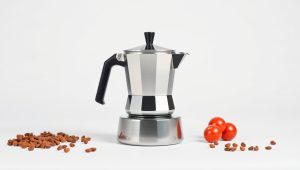
Manual lever or stovetop-plus-frother is the honest budget path. A moka pot won’t make real espresso, but paired with a handheld milk frother or a standalone electric frother, it makes a strong, foamy cappuccino-style drink for under $80 total. I’ve recommended this to college students and occasional drinkers for years. It’s the right answer more often than a cheap pump machine is.
How they compare
| Type | Realistic price | Foam quality | Effort | Main failure mode |
|---|---|---|---|---|
| Stovetop + frother | $50–80 | Good with practice | Medium | No true espresso |
| Entry semi-auto | $150–300 | Good to great | High | Weak steam, slow recovery |
| Auto-froth machine | $400–700 | Consistent, airy | Low | Carafe cleaning, weak texture |
| Super-automatic | $600–1500+ | Consistent | Lowest | Milk circuit hygiene, repairs |
The grinder problem
Here’s the part nobody wants to hear: a $250 machine with a good grinder beats a $500 machine with pre-ground supermarket coffee. Stale or inconsistently ground coffee produces sour, thin espresso no machine can fix. If your budget is tight, put $100 of it toward a burr grinder that can grind fine enough for espresso and buy the cheaper machine. Pressurized baskets will cover for a mediocre grinder; nothing covers for stale beans.
Who each option suits
The hobbyist: entry semi-auto plus a real grinder, total around $400–500. You’ll steam milk badly for two weeks, then well forever.
The household of mixed drinkers: an auto-froth machine. One button, consistent results, nobody fights over the wand at 7am.
The occasional drinker: moka pot and frother. If you make cappuccino twice a week, a $600 machine is furniture.
The convenience-first buyer: super-automatic, but only if you’ll actually run the cleaning cycles. If you won’t, buy the auto-froth machine with a removable carafe you can rinse in the sink.
FAQ
Can I make cappuccino foam with skim or plant milk?
Skim foams easily but tastes thin — it makes dry, stiff foam that suits old-school cappuccino. Oat and soy barista blends foam nearly as well as dairy. Almond and rice milk struggle. Whatever you use, buy the “barista” version; it has stabilizers that regular versions lack.
Do I need a machine that does 19 bars of pressure?
No. Espresso extracts at roughly 9 bars. Higher pump ratings are marketing numbers — the machine’s regulator limits what reaches the coffee anyway.
Is a cheap espresso machine worth it?
Under $150, mostly no — the steam systems are too weak to texture milk properly, which defeats the point of a cappuccino maker. Below that budget, a moka pot and a $20 frother produces a better drink.
How much maintenance do these machines need?
Semi-autos: wipe the wand after every use, backflush weekly, descale every 1–3 months depending on water hardness. Anything with an automatic milk circuit needs a rinse cycle daily — milk residue is the fastest way to ruin a machine’s internals.