Last updated: October 2, 2026
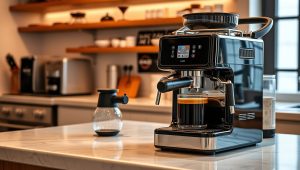
A fully automatic espresso machine can make a fresh coffee drink with one button: it grinds beans, doses coffee, brews the shot, and usually dispenses milk with a separate automatic system. The appeal is obvious, but budget machines involve compromises. They tend to have smaller hoppers and water tanks, noisier grinders, simpler milk systems, and less control over the espresso than semi-automatic machines.
For most buyers, the best budget choice is a basic bean-to-cup machine with a manual steam wand or simple milk frother. It keeps the price and cleaning burden under control while still making convenient espresso, long coffee, and milk drinks. If you want push-button cappuccinos, you can move up to an automatic milk model, but expect more maintenance and more parts that can fail.
The best budget setup for most people
Look first at a budget fully automatic espresso machine with a milk frother. This category usually gives you the core convenience without charging extra for a complicated milk carafe.
A machine in this group is a good fit if you mainly drink espresso, americanos, or occasional cappuccinos. You add milk separately with a steam wand, handheld frother, or a small electric frother. That adds a step, but it also means you can store milk in the refrigerator rather than leaving it in a machine’s tubing.
Do not expect café-level espresso straight from the box. Budget bean-to-cup machines often use modest grinders and compact brewing units. The first shots may taste thin or bitter until you adjust the grind, strength, and drink volume. That tuning is worthwhile, but it is still less precise than using a separate grinder and portafilter.
Budget fully automatic espresso machines compared
See also: Breville Bench Saver • Rocket Espresso Coffee Machine
| Type | Typical strengths | Common drawbacks | Best for |
|---|---|---|---|
| Basic bean-to-cup with steam wand | Lowest cost, fewer milk parts, easier long-term ownership | Milk requires a separate step; limited drink presets | Espresso and black-coffee drinkers |
| Bean-to-cup with automatic milk carafe | Convenient cappuccinos and lattes at one touch | More cleaning, tubing can clog, higher purchase price | Households making milk drinks daily |
| Super-automatic with larger controls | More drink customization and user profiles | Costs more; extra electronics add complexity | Multiple users with different preferences |
| Pod or capsule machine | Fast, tidy, and consistent with almost no dialing in | Higher cost per drink and less control over coffee | Convenience-first buyers with light usage |
What to look for before buying
A removable brew group is one of the most useful features. It lets you rinse away old coffee oils and grounds instead of relying entirely on cleaning tablets. Check that the group can be removed without tools and that replacement seals are available.
A bypass chute for pre-ground coffee is useful for decaf or a different roast. Without one, you may need to empty the hopper before changing beans. If everyone in the household drinks the same coffee, this feature is less important.
A conical burr grinder is preferable to a blade grinder, but the number of grind settings matters less than the machine’s adjustment range and dosing consistency. A large list of settings does not guarantee better espresso. You want enough adjustment to prevent watery shots and excessive bitterness.
A removable water tank and drip tray make routine care easier. A small tank may need refilling every few drinks, especially when the machine rinses itself. Measure the space under your cabinets before buying; many machines need clearance to remove the bean hopper or water tank.
A simple control panel can be an advantage. Touchscreens look modern, but physical buttons and a clear display are often easier to use when the machine is wet, steamy, or covered in coffee dust. Custom drink memory is handy, though it should not outweigh basic serviceability.
Choosing the right milk system
A manual steam wand produces the best texture of the two common budget options, but it has a learning curve. You need a small pitcher, fresh cold milk, and a little practice to create smooth foam rather than large bubbles. It is also easier to clean immediately because there is no hidden milk path.
An automatic milk carafe is better for a household that makes several lattes or cappuccinos every day. The convenience is real: select a drink and the machine handles the milk. The failure mode is also clear. Milk residue can collect in the nozzle, hose, or internal passages, causing weak foam, sour smells, or blockages. You must rinse the system after use and follow the deeper cleaning schedule.
If you only make one milk drink on weekends, an automatic carafe is usually an expensive way to save a minute. A basic fully automatic espresso machine with a manual milk frother is the more sensible purchase.
Where cheap machines cut corners
The grinder is often the first compromise. It may be loud, produce a less uniform grind, or retain a small amount of coffee between drinks. This can make the first cup after changing beans taste different from the next one.
Temperature control is another limitation. Budget machines can make pleasant coffee, but they may not hold brewing temperature as consistently as more expensive equipment. Very light roasts are especially demanding and may taste sharp or underdeveloped. Medium and medium-dark roasts are usually more forgiving.
Small brewing units can also struggle with back-to-back drinks. If you are serving several guests, the machine may need time to heat, rinse, empty its grounds container, or refill its internal circuit. For a couple making two or three drinks in the morning, that is rarely a serious problem.
Finally, budget machines are not maintenance-free. Expect to empty the grounds container and drip tray regularly, rinse removable parts, wipe the coffee spouts, and descale when prompted. Ignoring these jobs can lead to blocked outlets, weak coffee, leaks, and premature pump or grinder problems.
Which option suits you?
Choose a basic bean-to-cup machine if convenience matters more than extracting every last bit of flavor and you mostly drink black coffee. It is also the safest budget option for a first-time owner.
Choose an automatic milk model if several people in the home drink milk-based coffee every day and everyone accepts the extra cleaning. The time savings will be noticeable.
Choose a compact super-automatic espresso machine if counter space is tight, but check the tank and grounds-bin capacity carefully. Compact dimensions often mean more frequent refilling.
Choose a capsule machine instead if you make coffee infrequently, want minimal cleanup, or dislike adjusting grinders. It may cost more per cup, but the cheaper machine is perfectly adequate when avoiding waste and hassle matters most. If drink quality and fresh whole beans are your priority, a separate grinder and semi-automatic espresso machine will usually give better results for similar money, at the cost of time and skill.
FAQ
Are budget fully automatic espresso machines worth it?
They are worth it for convenient everyday coffee, especially americanos and milk drinks. They are less suitable if you want precise control or café-style espresso from demanding light-roast beans.
How much should I spend?
Buy the least expensive machine that has a removable brew group, an accessible water tank, and the milk system you actually need. Paying more for drink presets is less useful than paying for easier cleaning and available replacement parts.
Can these machines make real espresso?
They make concentrated coffee using an espresso-style brewing process, but the results usually have less body and control than a good portafilter setup. Fresh beans, the correct grind setting, and smaller drink volumes improve the cup.
How often do automatic machines need cleaning?
Empty the drip tray and grounds container as needed, rinse removable parts frequently, and clean the milk system after every milk session. Descaling and tablet cleaning depend on the machine, water hardness, and usage, so follow the manual rather than waiting for a problem.