Last updated: October 7, 2026
Quick answer: For most people in 2026, the best 8k video cameras for every budget is the Nikon Z8 — our #1 rated choice. See the full ranked comparison, alternatives and buying advice below.
Best 8K Video Cameras for Every Budget
The best 8K video camera for most people is the Nikon Z8: it combines detailed internal 8K recording, strong autofocus and a more manageable body and price than flagship cinema cameras. But if you shoot long takes, need a small rig, or want to avoid expensive media and editing upgrades, a high-quality 4K camera may be the better buy.
These picks focus on the practical trade-offs behind 8K: how long a camera can record, whether its 8K mode crops the sensor, how stabilization behaves, and what it costs to store and edit the footage. Prices vary by configuration and market, so the ranges below are broad estimates rather than fixed quotes.
| Camera | Approx. body price | 8K recording | Media and workflow | Best fit |
|---|---|---|---|---|
| Nikon Z8 | $3,500–$4,000 | Up to 8.3K/60p RAW internally; 8K/30p options | CFexpress Type B; demanding files | Hybrid creators wanting high-resolution RAW |
| Canon EOS R5 Mark II | $4,000–$4,500 | 8K/60p RAW internally | CFexpress Type B; high data rates | Stills-and-video shooters who value speed |
| Sony a1 II | $6,000–$6,500 | 8K/30p | CFexpress Type A or SD, depending on mode | Professionals already invested in Sony |
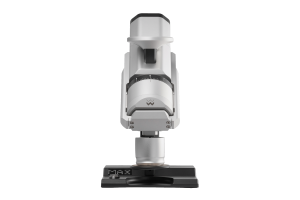
| RED V-RAPTOR [X] | $25,000 and up, depending on package | 8K large-format RAW at high frame rates | High-capacity media and cinema workflow | Commercial and production crews |
Choose by the way you shoot
See also: Best High-Pressure Shower Filters for Cleaner Water • Best High-End Eyeshadow Palettes for Luxury Looks
- One camera for photos, video and occasional 8K: Nikon Z8. It offers a particularly useful balance of resolution, internal RAW options and price.
- Fast hybrid work and 8K/60p capture: Canon EOS R5 Mark II. Its headline recording mode is powerful, but plan for heat, media and post-production demands.
- Already using Sony lenses and accessories: Sony a1 II. Its 8K ceiling is lower than the Z8 and R5 Mark II’s top modes, but staying within an established system can save money and simplify a working kit.
- Dedicated cinema production: RED V-RAPTOR [X]. It is a cinema camera, not a convenient everyday hybrid, and makes sense when crew, lenses, power and data management are already part of the budget.
- Mostly handheld, long-form or travel video: Consider a capable 4K camera instead. Smaller files, longer practical recording sessions and easier stabilization can matter more than extra pixels.
What 8K specifications mean on location
“8K” describes resolution, not how long you can record or how much of the sensor you use. A camera may offer 8K only at certain frame rates, in a particular codec, or with a crop. Check the exact recording mode—not just the largest resolution in the headline specifications—before buying.
Crop factors and lens coverage
Sensor readout and frame rate can change the angle of view. Some high-speed or specialized modes use a smaller portion of the sensor, effectively cropping the image. That can make a wide lens look tighter and can complicate matching shots with other cameras. Confirm whether your intended 8K mode uses the full sensor, and check the manufacturer’s mode-specific crop details. If a crop is important to your framing, test it with the lenses you plan to use before a paid shoot.
Heat and recording limits
High-resolution recording generates heat, especially at high frame rates, in warm rooms, or when the camera is also powering accessories. A stated maximum recording time is not a guarantee that every session will last that long: ambient temperature, settings and camera condition all matter. For interviews or events with long uninterrupted takes, look for reliable long-form tests of the exact mode and temperature conditions, and consider external power and a fan-equipped body where appropriate.
Stabilization is not a substitute for support
In-body stabilization can reduce small handheld movements, but it cannot freeze a moving subject or smooth every walking step. Digital stabilization may crop the image further, which reduces the framing flexibility that 8K is meant to provide. For controlled motion, a tripod, monopod, gimbal or deliberate handheld technique may be more predictable. Check whether stabilization is available in your chosen recording mode.
Budget for the whole 8K workflow
Camera-body price is only part of the cost. High-bitrate 8K can fill cards quickly, require fast card readers and storage, and make editing sluggish without suitable hardware. RAW offers more flexibility but typically increases file size and processing demands; efficient compressed formats can reduce storage needs, sometimes with trade-offs in image flexibility.
Here is a rough storage calculation: at an average data rate of 400 megabits per second, one minute of footage uses about 3 gigabytes (400 ÷ 8 × 60 = 3,000 megabytes). A 128GB card therefore holds roughly 43 minutes before allowing for formatting overhead, variable bitrate, audio and other files. At 800 megabits per second, that falls to about 21 minutes. Actual recording times depend on the camera’s selected codec and bitrate, so use its published figures when buying media.
For a sensible first 8K setup, budget for approved high-speed cards, a compatible reader, at least two copies of important footage, and enough fast working storage for editing. Proxy files—smaller editing copies linked to the original footage—can make timelines smoother, but they add a step and still require an organized archive.
Which camera is the best value?
Nikon Z8: The strongest all-round choice here for creators who will actually use 8K and want a hybrid camera rather than a cinema rig. Its RAW recording and high frame-rate options are compelling, but media and file sizes raise the real cost beyond the body.
Canon EOS R5 Mark II: A strong alternative if 8K/60p and fast hybrid operation matter. Before committing, confirm your preferred recording mode’s heat behavior and card requirements, particularly if your work depends on long continuous takes.
Sony a1 II: The sensible pick when Sony system compatibility and professional stills performance outweigh the need for the highest 8K frame rate. It is a substantial investment, so its value is strongest for photographers and production teams who will use the broader system.
RED V-RAPTOR [X]: A specialized production tool, not a budget-conscious way to get 8K. Choose it for a cinema pipeline that benefits from its recording formats and production features, not simply for resolution.
When 4K is the smarter purchase
Choose 4K if delivery is almost always 4K or lower, your clips are long, your computer struggles with large video files, or you need a lighter and less expensive kit. Shooting 8K can give editors room to crop and reframe, but that advantage is only useful if the lens, focus, lighting and final workflow preserve enough detail to justify the extra data.
For the best 8K video cameras, the right choice is therefore less about a single resolution number than about matching recording limits, crop behavior, stabilization and storage to your actual shoots. If you cannot name a recurring job that benefits from 8K, put the budget toward lenses, lighting, audio and dependable backups first.
Ready to decide? Our #1 pick for 2026 is the Nikon Z8.
Live price & availability on Amazon.