Last updated: September 27, 2026
Bitter espresso tastes harsh, dry and lingering, often with an ashy or burnt finish that sticks to the back of your tongue. Some bitterness is part of espresso’s character, especially with darker roasts, but when it dominates and masks sweetness, something is off. Unlike sourness, bitterness has several distinct causes: over-extraction, roast level, temperature, stale or dirty equipment, and even channeling. This guide helps you identify which one you are dealing with and gives targeted fixes.
Quick answer: Our top pick in 2026 is the Shot runs slow (40+ s), dark, drips — our #1 rated choice. See the full ranked comparison, alternatives and buying advice below.
Pleasant vs Unpleasant Bitterness
Good espresso bitterness resembles dark chocolate or cocoa: rounded and balanced by sweetness. Unpleasant bitterness is sharp, astringent and drying, like chewing on aspirin or burnt toast. The dryness, a puckering feeling that stays after swallowing, is the key sign of over-extraction or burnt flavours.
Identify the Cause
| Symptom | Likely cause | First fix |
|---|---|---|
| Shot runs slow (40+ s), dark, drips | Grind too fine, over-extraction | Grind coarser |
| Normal time but harsh and drying | Yield too high for this coffee | Shorten yield |
| Ashy, smoky flavours | Very dark roast | Lower temperature, try a lighter roast |
| Rancid, stale bitterness | Dirty group, basket or grinder | Clean and backflush |
| Bitter and sour together | Channeling | Improve puck prep |
| Bitterness appears after machine idles hot | Water too hot, especially on HX machines | Cooling flush before shot |
Fix 1: Grind Coarser
If your shot is running long (more than about 35 seconds for a 1:2 ratio) and tastes bitter, grind coarser. Slower flow means more contact time, and the later-extracting bitter compounds dominate. Move one or two steps coarser and pull again with the same dose and yield.
Fix 2: Shorten the Yield
If time is reasonable but the shot is still harsh, stop it earlier. Going from 40 g to 32-36 g out of 18 g in cuts off the tail end of extraction, which is where much of the bitterness lives. Watch for blonding, when the stream turns pale yellow; that often marks the point where bitter, watery extraction begins.
Fix 3: Lower Brew Temperature
Hotter water extracts faster and pulls out more bitter compounds. Dark roasts, which are already soluble, often taste better at 88-91°C than at 93-94°C. On machines with a PID, lower temperature by 1-2°C at a time.
Heat-exchanger machines
HX machines such as many E61-group models can deliver overheated water after sitting idle, because water in the heat exchanger superheats. A cooling flush of a few seconds until the hissing and spitting stops, then a short wait, brings brew water down. The exact flush amount depends on the machine; learning it pays off.
Fix 4: Clean Your Equipment
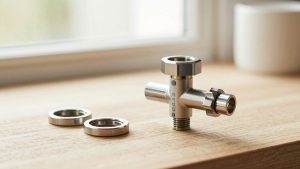
Old coffee oils in the group head, shower screen, basket or grinder go rancid and add a stale, harsh bitterness to every shot. Backflush with water daily if your machine has a three-way solenoid valve, and with a group-head cleaner weekly. Soak baskets and portafilters in cleaner solution periodically. Brush out your grinder chute and burrs every couple of weeks, and use grinder cleaning tablets if the manufacturer approves.
Fix 5: Reconsider the Roast
Very dark roasts, where the beans are oily and nearly black, carry roast bitterness no matter how carefully you extract. If you enjoy chocolatey espresso without the ashy edge, try a medium-dark or medium roast designed for espresso. Blends with some natural-process coffees can add sweetness that balances bitterness.
Fix 6: Address Channeling
When part of the puck over-extracts through a channel, you taste bitterness and sourness together. Use WDT to break clumps, tamp level, and match dose to basket. A bottomless portafilter helps confirm the fix by showing even flow.
Milk Drinks and Bitterness
Milk softens bitterness, which is why a slightly over-extracted shot can still make a pleasant latte. But overheated milk, above about 70°C, adds its own cooked, bitter notes. Keep milk between 55°C and 65°C for maximum sweetness.
FAQ
Why does my espresso taste bitter only in the afternoon?
If the machine has been idling, heat-exchanger or thermostat-controlled machines may overheat. A cooling flush before the shot usually fixes it. Also check that the grinder has not been left with stale grounds in the chute.
Is robusta the cause of bitterness?
Robusta has more caffeine and a harsher, more bitter profile than arabica. Blends with a high robusta percentage will taste more bitter; that is by design, not a fault.
Bottom line
Bitter espresso usually means over-extraction, heat, dirty equipment or very dark beans. Grind coarser or shorten yield if the shot runs long, lower temperature for dark roasts, clean the group and grinder regularly, and fix channeling if you taste sour and bitter together. Target the right cause and the harshness disappears while the chocolatey depth remains.
Ready to decide? Our #1 pick for 2026 is the Shot runs slow (40+ s), dark, drips.
Live price & availability on Amazon.