Last updated: November 23, 2026
Disclosure: As an Amazon Associate, we may earn from qualifying purchases made through links on this page, at no additional cost to you.
Best Compact Philips Espresso Machines for Espresso Setup Replacements
Replacing an espresso setup usually happens for practical reasons. The old machine is too wide for a remodeled kitchen, too loud for early mornings, or too involved for the way the household drinks coffee now. A compact Philips superautomatic answers those problems by combining grinder, brewer, and milk system in one body with front access to water and grounds. This guide compares three Philips series that share the LatteGo milk system and ceramic grinders while differing in menu size, display, noise reduction, and user profiles. Each description uses manufacturer information, so you can judge which replacement keeps the drinks you love, removes the frustrations you remember, and fits the counter you actually have today.
Quick Picks
| Product | ASIN | Best For |
|---|---|---|
| Philips 3200 Series Fully Automatic Espresso Machine EP3241/54 | B07VFY4MXM | A straightforward replacement with proven LatteGo milk handling |
| Philips 3300 Series Fully Automatic Espresso Machine EP3341/50 | B0CZ4GN5YT | Replacements where quieter early morning brewing matters |
| Philips 4400 Series Fully Automatic Espresso Machine EP4444/90 | B0CZGQ5KH7 | Households replacing a larger setup but keeping profiles and variety |
Philips 3200 Series Fully Automatic Espresso Machine EP3241/54 (ASIN: B07VFY4MXM)

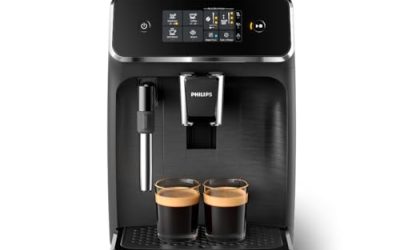
The Philips 3200 Series EP3241/54 is a fully automatic machine with a ceramic grinder, an intuitive touch display, and the LatteGo milk system, which has no tubes and rinses quickly. The manufacturer lists five coffee varieties, the My Coffee Choice menu for strength and volume, and the AquaClean filter program. The brew group removes for rinsing under a tap. Its front access water tank and compact depth make it a natural replacement when an older superautomatic no longer fits the routine.
Highlights:
– LatteGo milk system with a simple touch display
– Manufacturer listed controls match the use case in this guide
– Removable or rinse friendly parts support a regular cleaning routine
Considerations:
– Counter depth, tank access, and cup height should be measured before ordering
– Milk parts and brew components need the cleaning cycle described in the manual
Best for: A straightforward replacement with proven LatteGo milk handling
Philips 3300 Series Fully Automatic Espresso Machine EP3341/50 (ASIN: B0CZ4GN5YT)

The Philips 3300 Series EP3341/50 adds SilentBrew technology, which the manufacturer describes as quieter grinding and brewing, plus six hot and iced presets on a color display. It uses the LatteGo milk system with few parts and no tubes, a ceramic grinder, and the AquaClean filter program. Strength, volume, and temperature can be adjusted per drink. The compact body and front loading water tank suit coffee corners where noise and space both matter during early mornings.
Highlights:
– Quieter brewing and six hot and iced presets
– Manufacturer listed controls match the use case in this guide
– Removable or rinse friendly parts support a regular cleaning routine
Considerations:
– Counter depth, tank access, and cup height should be measured before ordering
– Milk parts and brew components need the cleaning cycle described in the manual
Best for: Replacements where quieter early morning brewing matters
Philips 4400 Series Fully Automatic Espresso Machine EP4444/90 (ASIN: B0CZGQ5KH7)

The Philips 4400 Series EP4444/90 lists twelve hot and iced presets, a color display, and two user profiles for saved settings. It uses the LatteGo milk system, a ceramic grinder, SilentBrew quiet brewing, and a QuickStart function that reduces waiting before the first drink. The AquaClean filter program and removable brew group keep routine care simple. With more presets and profiles than the smaller Philips series, it suits households where two people want their own saved drinks ready at a touch.
Highlights:
– Twelve presets and two profiles for shared preferences
– Manufacturer listed controls match the use case in this guide
– Removable or rinse friendly parts support a regular cleaning routine
Considerations:
– Counter depth, tank access, and cup height should be measured before ordering
– Milk parts and brew components need the cleaning cycle described in the manual
Best for: Households replacing a larger setup but keeping profiles and variety
How to Choose
See also: Best Philips Superautomatic Espresso Machines • Best DeLonghi Superautomatic Espresso Machines for Espresso Menu Customization
A good replacement starts with a list of what the old setup did well and what it did badly. Measure the new space, including height for refilling beans and room to slide the water tank forward. Compare menus honestly, since many households use only a handful of drinks, while others will enjoy the larger preset lists on higher series. LatteGo cleaning is similar across the range, with few parts and no tubes, so the bigger differences are display style, profile count, and noise treatment. Check tank capacity against your daily drink count to avoid constant refilling. Choose the series that fixes your main frustration, whether that is size, sound, or settings, without paying attention to features your household will not use.
Setup and Care Tips
When the replacement arrives, run the setup rinses in the manual, fit the AquaClean filter if you plan to use the filter program, and register the replacement cycle so prompts arrive on time. Rinse the LatteGo parts after milk drinks and wash them fully on a regular day each week. Remove and rinse the brew group as the manual describes, and keep the grounds bin and drip tray on the same emptying rhythm. If the old setup used different beans, expect a few drinks of adjustment while the grinder settles. A simple weekly routine keeps a compact replacement tasting fresh and prevents the buildup that shortened the life of many first machines.
FAQ
Can these machines make two drinks in a row without a long wait?
Most models in this guide are built for back to back home use, although milk systems and rinse cycles add short pauses. Check tank and grounds capacity if you regularly serve several people.
Do I need a separate grinder with these machines?
Machines described as fully automatic or with a built in grinder do not need one. Semi automatic models without a built in grinder do need a separate espresso capable grinder.
How often should milk parts be cleaned?
Milk parts should be rinsed after every use and washed fully on the schedule in the manual. Carafes belong in the refrigerator between drinks, never left on the counter.
What should I measure before ordering?
Measure counter width, depth, and height under cabinets, plus the space needed to open the tank, hopper, and service doors on the model you choose.
Final Verdict
The right choice depends on the drinks you make most, the space you can give the machine, and the routine you will keep. Use the Quick Picks table to narrow the list, read the full entry for your favorite, and confirm dimensions and included parts on the product page before ordering. A machine that fits your counter and your habits will be used daily, which is the whole point of bringing espresso home.