Last updated: October 13, 2026
The OXO Brew Compact Conical Burr Electric Coffee Bean Grinder is the best overall compact espresso grinder in this lineup. It is the only compact electric burr model here that pairs a small 50-gram hopper with a wide range of grind settings, and the maker states that range runs from extra fine for Turkish coffee up to coarse for a French press, which comfortably includes the fine end that espresso needs. It suits anyone who wants a countertop grinder that takes little space and still grinds with conical burrs rather than a spinning blade. If you would rather spend less and do the work by hand, the CEVING manual grinder is the value pick, and if you are grinding at a campsite or in a hotel room, the LEBURRY portable burr grinder is built for that job. Keep one honest caveat in mind: several grinders on this list use blades, which are fine for drip coffee and spices but poor at the fine, even grind that espresso machines demand.
Quick answer: For most people in 2026, the best compact espresso grinder is the OXO Brew Compact Conical Burr (50 g) — our #1 rated choice. See the full ranked comparison, alternatives and buying advice below.
- Top 3 Picks
- Quick Comparison
- How We Chose
- 1. OXO Brew Compact Conical Burr Grinder (50 g) – Best Overall Compact Pick
- 2. BLACK+DECKER One Touch Blade Grinder – Best for Spices and Basic Drip Coffee
- 3. SHARDOR Silent Blade Grinder (Timed Knob) – Best Quiet Blade Option
- 4. IAGREEA 48-Setting Conical Burr Grinder – Best for Home Espresso Tinkering
- 5. CEVING Mini Manual Grinder (40 Settings) – Best Budget Burr Option
- 6. Hamilton Beach Custom Grind (14 Cup) – Best for Large Drip Batches
- 7. LEBURRY Portable Burr Grinder – Best for Travel and Camping
- 8. OXO Brew Conical Burr Grinder (12 oz) – Best for a Bigger Hopper
- 9. LAMIDO E96T Portable Electric Burr Grinder – Best Rechargeable Portable Option
- 10. SHARDOR 70 g Grinder – Best Large-Capacity Blade Option
- How to Choose a Compact Espresso Grinder
- Frequently Asked Questions
- Our Recommendation by Situation
Top 3 Picks
Best overall: OXO Brew Compact Conical Burr Grinder (50 g). Conical burrs, a stated range of fifteen main settings with micro-adjustments between them, a one-touch operation and a small footprint. It is the closest thing to a purpose-built compact espresso-capable grinder in the group.
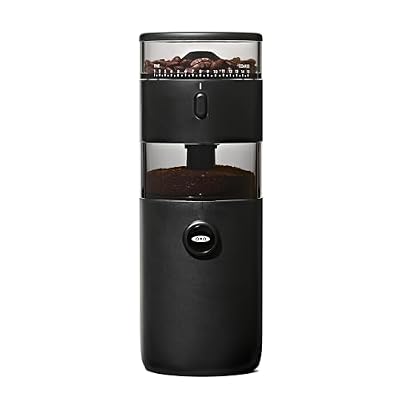
OXO Brew Compact Conical Burr Electric Coffee Bean Grinder - 50g Capacity
Included for 'Best Compact Espresso Grinder in 2026' because the listing specifies 50g Capacity, details this guide uses to compare options.
View on Amazon
BLACK+DECKER One Touch Coffee Grinder, 2/3 Cup Coffee Bean Capacity, Spice Grinder, One Touch Push-Button Control -150 Watts -Stainless Steel Blades
Included for 'Best Compact Espresso Grinder in 2026' because the listing specifies 2/3 Cup Coffee Bean Capacity and Spice Grinder, details this guide uses to compare options.
View on Amazon
SHARDOR Electric Super Silent Blade Coffee Grinder, Timed Grind Control Rotary Knob, Adjustable Coarse to Fine for Coffee Beans, Spices & Herbs, with 1 Removable Stainless Steel Bowl, Black
Included for 'Best Compact Espresso Grinder in 2026' because the listing specifies Timed Grind Control Rotary Knob and Adjustable Coarse to Fine for Coffee Beans, details this guide uses to compare options.
View on Amazon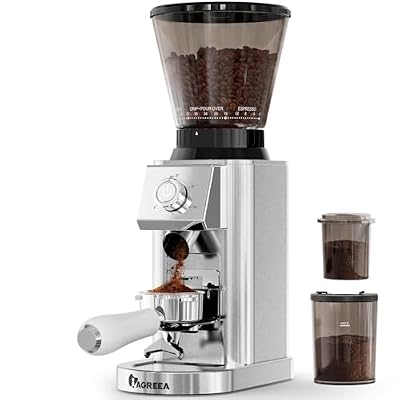
IAGREEA Coffee Grinder for Home Use, Conical Burr Espresso Grinder 48 Grind
Included for 'Best Compact Espresso Grinder in 2026' because the listing specifies Conical Burr Espresso Grinder 48 Grind, details this guide uses to compare options.
View on Amazon
CEVING Mini Manual Coffee Grinder With 40 Adjustable Settings, Black
Included for 'Best Compact Espresso Grinder in 2026' because the listing specifies Black, details this guide uses to compare options.
View on Amazon
Hamilton Beach Custom Grind Electric Coffee Grinder For Up To 14 Cups
Included for 'Best Compact Espresso Grinder in 2026' as a relevant option in this category; details come from the product listing.
View on Amazon
LEBURRY Burr Coffee Grinder - Portable Espresso Grinder for Travel, Camping
Included for 'Best Compact Espresso Grinder in 2026' because the listing specifies Portable Espresso Grinder for Travel and Camping, details this guide uses to compare options.
View on Amazon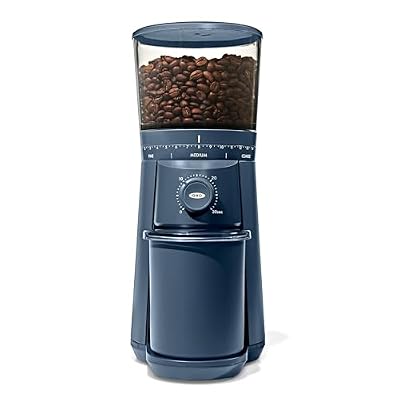
OXO Brew Conical Burr Electric Coffee Bean Grinder - 12 Oz, Storm Blue | OXO Brew Conical Burr Coffee Grinder, Coffee Bean Grinder
Included for 'Best Compact Espresso Grinder in 2026' because the listing specifies 12 Oz and Storm Blue, details this guide uses to compare options.
View on Amazon
LAMIDO Portable Electric Burr Coffee Grinder, E96T, Matte Black
Included for 'Best Compact Espresso Grinder in 2026' because the listing specifies E96T and Matte Black, details this guide uses to compare options.
View on Amazon
SHARDOR Electric Coffee Grinder, 70g Large Capacity Spice Grinder with Visual Timing Knob for Precise Grind, Quiet Coffee Bean Grinder for Espresso, French Press, Herbs and Grains, Black
Included for 'Best Compact Espresso Grinder in 2026' because the listing specifies Quiet Coffee Bean Grinder for Espresso and French Press, details this guide uses to compare options.
View on AmazonBest for value: CEVING Mini Manual Coffee Grinder with 40 adjustable settings. A hand-cranked burr grinder gives you the consistency of burrs without a motor, and forty settings give you room to dial in a fine grind. It is the budget route to better espresso grounds, as long as you do not mind the arm work.
Best for travel: LEBURRY Portable Burr Grinder. Marketed as a portable espresso grinder for travel and camping, it brings burr grinding to places where a plug-in countertop model will not go. Confirm the power source and battery details on the product page.
Quick Comparison
| Product | Best for | Key specs (per listing name) |
|---|---|---|
| OXO Brew Compact Conical Burr (50 g) | Everyday countertop espresso and brewed coffee | Conical burrs, 50 g capacity, electric |
| BLACK+DECKER One Touch Blade Grinder | Spices and basic drip coffee | Blade, 2/3 cup beans, 150 W, push button |
| SHARDOR Silent Blade Grinder | Quiet blade grinding with a timer | Blade, timed rotary knob, coarse to fine |
| IAGREEA 48-Setting Conical Burr | Home espresso tinkering | Conical burr, 48 grind settings |
| CEVING Mini Manual Grinder | Budget burr grinding, small spaces | Manual, 40 adjustable settings |
| Hamilton Beach Custom Grind (14 cup) | Large drip batches | Electric, up to 14 cups |
| LEBURRY Portable Burr Grinder | Travel and camping | Burr, portable, espresso-oriented |
| OXO Brew Conical Burr (12 oz) | Bigger hopper, daily use | Conical burr, 12 oz hopper |
| LAMIDO E96T Portable Burr | Rechargeable portable grinding | Electric burr, portable, matte black |
| SHARDOR 70 g Grinder | Spices and larger blade batches | Blade, 70 g capacity, visual timing knob |
How We Chose
This guide is based on research, not on grinding in each model. We read the listing names, the makers’ stated specifications, general coffee-grinding references and the recurring themes in owner feedback, then compared what each grinder says it can do. Our main criteria were burr versus blade design, since consistency matters enormously for espresso; the stated number of grind settings and whether the range plausibly reaches espresso fineness; capacity and footprint; whether the grinder is electric, manual or rechargeable; ease of cleaning; and how well each suits different users, from apartment dwellers to campers. Where a listing name did not state a detail such as burr material, motor power or battery capacity, we left it out and told you to confirm it on the product page. We also noted which models are better suited to spices and drip coffee than to espresso, because shoppers sometimes buy a blade grinder expecting espresso results.
1. OXO Brew Compact Conical Burr Grinder (50 g) – Best Overall Compact Pick
As an Amazon Associate we earn from qualifying purchases at no extra cost to you.

OXO’s compact conical burr grinder is the clearest match for the search that brought you here. The listing calls out conical burrs and a 50-gram capacity, which is enough for a couple of double-shot doses or a small pot of drip coffee. The maker states that it has fifteen main settings with micro-adjustments between them, reaching from extra fine up to coarse, and the burrs are stainless steel. A small footprint and a bean hopper that doubles as a lock for the grind setting make it easy to leave on a counter without crowding a machine.
Key specs
- Conical burr design, electric
- 50 g bean capacity, per the listing name
- Fifteen main settings with micro-adjustments, per the maker
- Check the product page for burr size, motor details and exact dimensions
Who it suits
Home baristas with an entry-level espresso machine, people who brew a mix of espresso, pour-over and French press, and anyone who wants a small grinder that does not look like lab equipment. The 50-gram size is designed for small households that buy beans in modest amounts and grind fresh.
Strengths
Burr grinding produces more uniform particles than a blade, which gives espresso more consistent flow and fewer sour or bitter swings. The micro-adjustments are the useful part: espresso is sensitive to tiny grind changes, and having steps between the main settings lets you fine-tune without jumping a full number. The compact bin and chuteless design are easy to remove and clean.
Pros
- Conical burrs for consistent grounds
- Micro-adjustments useful for dialing in espresso
- Small footprint and tidy design
- Range covers espresso through coarse brewing
Cons
- Small 50 g hopper means frequent refills for heavy drinkers
- Smaller burrs than the full-size OXO model, so it may be slower
- Entry-level grinders in this class may not satisfy enthusiasts with high-end machines
- Plastic parts, so avoid heat and moisture
Dialing it in for espresso
Start in the middle of the fine range and pull a test shot with a weighed dose, for example 18 grams of beans, aiming for about 36 grams of liquid in 25 to 30 seconds. If the shot runs fast and tastes thin or sour, move one micro-step finer. If it drips slowly and tastes harsh or bitter, move one step coarser. Change only one variable at a time, and write the setting down once you find a good one. Fresh beans, a level tamp and a clean basket matter as much as the grinder. Wipe the hopper and burrs periodically with the supplied brush, and avoid grinding oily dark roasts for long stretches without cleaning.
How it compares
Against the full-size OXO 12-ounce model, it takes less space and holds less. Against the IAGREEA, it has fewer main steps but pairs them with micro-adjustments from a well-known brand. Against the blade grinders, it is in a different league for espresso consistency.
2. BLACK+DECKER One Touch Blade Grinder – Best for Spices and Basic Drip Coffee
This is a classic blade grinder: a stainless steel blade spins at the bottom of a small bowl and chops beans until you release the button. The listing names a two-thirds-cup bean capacity, 150 watts and one-touch push-button control, and it calls the grinder a spice grinder too. It is compact and easy to understand. It is not an espresso grinder, and the honest reason is that blades produce a mix of dust and chunks. Espresso extraction depends on even particles, and a blade grinder cannot deliver that evenly.
Key specs
- Blade grinder, stainless steel
- 2/3 cup bean capacity
- 150 watts
- Single push-button operation
Who it suits
Drip and French press drinkers on a tight budget, cooks who want to grind whole spices, seeds and dried herbs, and anyone who needs a backup grinder. It also suits people who want something that stores in a drawer.
Strengths
Simplicity is the draw. Press and hold, count a few seconds, release. You can use short pulses for a coarser grind or longer ones for finer, and a small bowl makes it easy to control. The unit is small enough to travel in a bag.
Pros
- Very simple to use
- Compact and lightweight
- Works for spices as well as coffee
- Stainless steel blade and bowl
Cons
- Blade design produces uneven particles, a poor match for espresso
- Grind size depends on timing rather than settings
- Fine dust can clog espresso baskets and cause channeling
- Heat from long runs can alter flavor
Getting better results from a blade grinder
If you own a blade grinder, a few habits improve the result. Grind in short pulses of two or three seconds and shake the grinder between pulses so beans circulate and reach the blade. Stop sooner for coarse grounds and add a few seconds for medium. Never run it continuously for long stretches, because the motor and the beans both heat up. Unplug before opening the lid, and never put a finger or utensil into the bowl while it is connected. To clean, wipe the bowl with a dry cloth or a few grains of uncooked rice ground to absorb oils, then discard the rice. Keep water away from the base and cord.
Because the listing mentions spice grinding, a second small tip applies: if you grind spices, do it in a separate bowl or wipe thoroughly afterward so cardamom or cumin does not flavor tomorrow’s coffee.
How it compares
This sits with the SHARDOR blade grinders and the Hamilton Beach. Among them it is the simplest, with no timer or dial. If espresso is the goal, choose a burr model; if you want a spice mill or a basic drip grinder, this one is perfectly reasonable.
3. SHARDOR Silent Blade Grinder (Timed Knob) – Best Quiet Blade Option

SHARDOR’s blade grinder adds two features to the basic formula: a timed rotary knob and the claim of super-silent operation. The listing says the grind can be adjusted from coarse to fine, and that it handles coffee beans, spices and herbs. A timer takes some of the guesswork out of blade grinding by letting you repeat the same duration, which helps consistency from one day to the next. It still uses a blade, so the same espresso caveat applies.
Key specs
- Electric blade grinder with timed grind control knob
- Adjustable from coarse to fine by grind time, per the listing
- Handles beans, spices and herbs per the listing name
- Confirm capacity, power and noise statements on the product page
Who it suits
People who live in apartments with thin walls or share kitchens in the early morning, and anyone who wants a repeatable timer for drip or French press. It can also fill in as a spice grinder.
Strengths
The timer makes your results repeatable. A quieter motor is useful for early risers. A blade grinder needs less cleaning than a burr unit, since you can wipe or brush the bowl and be done.
Pros
- Timed knob helps repeat results
- Marketed as quiet
- Versatile for spices and herbs
- Easy to wipe clean
Cons
- Not a true espresso grinder because of the blade
- Time-based control cannot match burr step settings
- Fine grinds will include dust and chunks
- Noise claims are relative, so expect some sound
Using the timer well
A timed knob is only useful if you calibrate it. Grind a measured dose of beans, note the duration and compare the result against the brew method you plan to use. A rough starting point for blade grinders is a few seconds for coarse drip or French press and somewhat longer for medium, with shaking between bursts. Record the time that works for your favorite beans and reuse it. Keep in mind that beans vary in hardness and freshness, so the same duration can give different results with different bags. For safety, make sure the lid is seated and the grinder is unplugged before cleaning, and do not run it empty.
Questions to check on the page
Look for the stated bowl capacity, the cord length, whether the lid has a safety interlock that stops the motor when lifted and whether the bowl is removable for cleaning. A removable bowl makes it easier to rinse out spice residue, while an interlock adds a layer of protection against accidents with the blade.
How it compares
Against the BLACK+DECKER, it adds a timer. Against the 70-gram SHARDOR, compare the stated capacities on each page to see which fits your usual batch. Against burr models, it trades consistency for ease and simplicity.
4. IAGREEA 48-Setting Conical Burr Grinder – Best for Home Espresso Tinkering
The IAGREEA listing describes a coffee grinder for home use with a conical burr and 48 grind settings, and it names espresso in the title. Forty-eight steps is a lot of granularity for a compact grinder, and for espresso that granularity is the whole point: a small step in either direction changes flow time noticeably. The listing name does not specify capacity, motor power or burr material, so treat the product page as the source of truth for those.
Key specs
- Conical burr design, electric
- 48 grind settings per the listing name
- Intended for home use, with espresso called out
- Confirm hopper capacity, retention and cleaning access on the page
Who it suits
Beginners who want to learn how grind size affects espresso, and anyone who owns a machine with a pressurized or standard basket and wants more control than a blade offers. It also appeals to cooks who switch between espresso, moka pot and pour-over and want a setting for each.
Strengths
The wide range of settings gives you room to fine-tune. Conical burrs cut beans rather than smashing them, which tends to produce more even particles. Having many steps also helps when you change beans, since different roasts and ages need different settings.
Pros
- 48 settings for precise adjustment
- Burr design suited to espresso consistency
- Named for home use, so size is typically countertop friendly
- Good for exploring different brew methods
Cons
- Listing name omits several key specs
- Entry-level burr grinders can have uneven results at the finest settings
- Stepped systems are less flexible than stepless ones for tiny adjustments
- Retention of old grounds in the chute can affect fresh flavor
Learning to use many settings
A grinder with dozens of steps can seem intimidating at first, so start with a method. Begin at a mid-fine step and make a note of how long a double shot takes to flow. Adjust by two or three steps at a time until you are close, then move one step at a time. Keep a small card by the machine with the step number that worked for each bean you buy. Beans change as they age, so expect to move a step or two finer every week or so as they lose gas. Clean the burrs regularly to avoid stale grounds mixing with fresh ones, and purge a gram or two before your first dose of the day.
Check also whether the listing includes a cleaning brush, a portafilter holder or a dosing cup, since small accessories make daily use smoother. If it lacks them, a dedicated brush and a small dosing cup are inexpensive additions.
How it compares
Against the OXO compact model, it offers more numbered steps but fewer well-documented details in the listing. Against the CEVING manual grinder, it saves your arm but takes counter space.
5. CEVING Mini Manual Grinder (40 Settings) – Best Budget Burr Option

A hand grinder is the traditional way to get good grind quality on a modest outlay. The CEVING mini manual grinder lists 40 adjustable settings and a black finish. Instead of a motor, you turn a crank, which spins the burrs. Because there is no motor to heat the beans or add noise, hand grinders are quiet and compact, and for a single-dose espresso routine, 15 to 20 seconds of cranking per shot is realistic.
Key specs
- Manual burr grinder
- 40 adjustable settings per the listing name
- Mini size for small spaces and travel
- Confirm burr material, capacity and whether the grind range reaches espresso fineness
Who it suits
People with an espresso setup who want burr consistency on a small budget, anyone with limited counter space, and travelers who prefer not to depend on batteries. It is a decent second grinder for the office or the camper.
Strengths
No cord, no battery and no motor noise. A small hand grinder takes up as much space as a mug. Many cooks say that hand-grinding gives them a more deliberate morning routine, though effort rises as the grind gets finer.
Pros
- Quiet, no power needed
- Burr grinding at an accessible entry-level tier
- 40 settings give room to adjust
- Pocket-friendly size
Cons
- Cranking fine espresso doses takes effort
- Small capacity means one or two shots per fill
- Slower than any electric grinder
- Listing name gives little detail on burr type
Making hand grinding easier
Hand grinders reward good technique. Brace the grinder against your body or rest it on a table, keep the crank turning at a steady pace and avoid pressing down hard. Fill it with just the dose you need, since beans left in the chamber add friction. If cranking feels hard at fine settings, move one or two steps coarser and compensate with a finer tamp or a longer extraction. Check the product page to see whether the crank handle detaches for storage, and keep the burrs clean with a dry brush rather than water. A small silicone mat under the grinder reduces slipping on a counter.
Who should skip a hand grinder
If you pull several shots every morning, have wrist or shoulder pain, or want a hands-free routine, a hand grinder may become a chore and an electric burr model is the better fit. If you value a quiet morning, enjoy the ritual and make one or two shots, it can feel like a pleasure rather than work. It also makes a thoughtful second grinder to keep in a drawer for power outages, camping or for grinding a different roast.
How it compares
Against the electric OXO and IAGREEA, it is less demanding to run and easier to carry but slower. Against the LEBURRY portable, it needs no charging but demands more effort.
6. Hamilton Beach Custom Grind (14 Cup) – Best for Large Drip Batches

Hamilton Beach’s Custom Grind is an electric grinder rated for up to fourteen cups of coffee, and the name focuses on custom grind volume rather than espresso. It is a mainstream household appliance designed to grind enough beans for a full pot. With a fixed blade design common to this product family, it is built for coarse and medium grinds, so espresso fineness is not its strength.
Key specs
- Electric grinder with capacity for up to 14 cups per the listing name
- Custom grind control as described in the listing
- Check the product page for blade versus burr design, cord storage and chamber removal
Who it suits
Households that brew big pots of drip coffee, office kitchens and anyone who wants a no-frills grinder for large batches. It can also serve for spices if the chamber is cleaned well between uses.
Strengths
Capacity is the headline. Grinding enough for a full pot at once saves time in the morning, and the controls are straightforward. The design is aimed at families and offices more than at hobbyists.
Pros
- Large capacity for pot-sized batches
- Simple operation
- Familiar brand with broad availability
- Useful for drip and French press
Cons
- Not built for espresso-fine grinding
- Larger than other grinders on this list
- Listing name gives limited detail on its mechanism
- Pre-grinding a full pot means more of it goes stale
Using a pot-size grinder well
Grinding enough for a full pot works best if you brew promptly. Ground coffee loses aroma within minutes to hours, so avoid grinding the entire chamber if you will only brew a few cups. Fill the chamber to the line the instructions recommend, since overfilling can cause uneven grinding and extra strain on the motor. Wipe out the chamber after each use, and unplug the grinder before you remove the lid or clean it. If you also grind spices, wipe thoroughly or rinse out the removable part if the design allows and let it dry completely so no moisture reaches the motor base or the cord.
When it makes sense
This type of grinder shines in an office or a family kitchen where one person grinds for everyone. It also suits cooks who want a single appliance for drip coffee, French press and the occasional batch of spices. If you rarely brew full pots, a smaller grinder avoids waste and storage clutter. If espresso is on your horizon, treat this as a stepping stone and plan to upgrade to a burr model later.
How it compares
This is the outlier: it is the biggest and least espresso-oriented model. If your priority is a compact espresso grinder, any of the burr models will be better. It earns a place as the choice for large drip batches.
7. LEBURRY Portable Burr Grinder – Best for Travel and Camping

The LEBURRY listing positions this grinder as a portable burr grinder for espresso, travel and camping. The category it belongs to has grown quickly: small, rechargeable or hand-operated burr grinders that fit in a bag next to an AeroPress or a hand-pump espresso maker. The listing name does not state the power source, so check whether it is manual, battery powered or rechargeable.
Key specs
- Burr grinder designed for portability
- Marketed for espresso, travel and camping
- Confirm power source, capacity and the range of settings
- If battery powered, verify charging method and safety details
Who it suits
Campers, van-lifers, frequent hotel guests and office workers who keep a travel setup in a drawer. It also suits anyone who wants a compact backup grinder that does not take up cabinet space at home.
Strengths
Portability plus burrs is a rare pairing. Many travel grinders use blades, so a burr model is a step up in quality. Compact size means it fits in a backpack, and a sealed design helps keep grounds from spilling in transit.
Pros
- Burr grinding in a travel format
- Small and light
- Suited to camping and trips
- Pairs with portable espresso makers
Cons
- Small capacity per grind
- Listing name omits power and setting details
- Portable burrs may be slower than countertop ones
- Rechargeable models need attention to battery safety
Packing a portable grinder
Before a trip, grind a small test dose at home to confirm your setting works with your brewer. Pack the grinder with a short brush and a small pouch of beans, preferably fresh-roasted and sealed. For battery models, charge it fully before you leave, store it where the power button cannot be pressed accidentally and bring the correct cable. Keep lithium batteries out of hot cars and checked luggage if the airline requires, and follow the maker’s guidance on storage. Empty the grounds chamber and brush the burrs after each use so oils do not build up and go stale between trips.
Questions to check on the page
Before buying, confirm how the grinder is powered, how many settings it offers, what capacity it holds and whether the settings reach espresso fineness. Also check whether replacement parts, such as a cleaning brush or a spare lid, are included. These details are missing from the listing name, and they decide whether the grinder is a good partner for a hand-pump espresso maker or a better fit for pour-over and AeroPress brewing.
How it compares
Against the LAMIDO, it shares the same travel focus. Against the CEVING, the choice often comes down to whether you prefer a motor or a crank. Against countertop grinders, it trades capacity and refinement for portability.
8. OXO Brew Conical Burr Grinder (12 oz) – Best for a Bigger Hopper
This is OXO’s full-size conical burr grinder, with a 12-ounce bean hopper as stated in the listing. It is not tiny, but it is still a reasonably compact countertop machine, and it is included because many shoppers searching for a compact espresso grinder end up deciding between the small and the standard OXO. The maker states larger burrs than the compact model, and it offers a range of settings with micro-adjustments similar in concept to the smaller one. Verify the exact figures on the product page.
Key specs
- Conical burr design, electric
- 12 oz bean hopper per the listing name
- Multiple grind settings with micro-adjustments per the maker
- Storm Blue finish named in the listing
Who it suits
People who buy a bag of beans and want to drop it into the hopper rather than weigh doses, and households that make multiple drinks each morning. If your machine is forgiving, a hopper-fed grinder can serve espresso and drip alike.
Strengths
The larger hopper cuts down on refills. Larger burrs usually mean faster grinding and less strain on the motor. The same brand design language applies, so cleaning and adjusting should feel familiar if you have used other OXO grinders.
Pros
- 12 oz hopper holds a bag of beans
- Conical burrs for even grinds
- Micro-adjustments for fine tuning
- Established brand with wide support
Cons
- Larger footprint than the compact model
- Beans left in a hopper age faster than single-dose beans
- Not a dedicated espresso grinder in the premium sense
- Plastic components
Hopper and freshness
A big hopper is convenient, but it is better to fill it with a week or two of beans than a full month. Keep the lid on, keep the grinder out of direct sun and away from the stove, and avoid storing beans in a hopper beside a window. If you switch between roasts, empty the hopper and run a few beans through to purge old grounds. Wipe the hopper with a dry cloth, since water and oils do not mix. Decide whether you want the grinder dropping grounds into a container or a portafilter holder, and confirm what accessories are included on the product page.
Who should choose the small model instead
If your counter space is limited or you grind a dose or two at a time, the compact OXO is the more sensible match. The 12-ounce version rewards households that grind several times a day and want to skip weighing beans into a hopper. Compare the dimensions on both product pages against your cabinet clearance, because the taller hopper of the larger model may not fit beneath a low shelf.
How it compares
Against the compact OXO, it holds far more beans and takes more room. If your counter is tight, the small model is the better fit; if you want the lowest daily effort, this one is easier.
9. LAMIDO E96T Portable Electric Burr Grinder – Best Rechargeable Portable Option
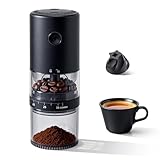
The LAMIDO E96T is described as a portable electric burr coffee grinder in matte black. The word electric combined with portable suggests a rechargeable battery, which means you get a motorized burr grinder without needing an outlet. The model name E96T is a useful search term if you want to compare specifications with other portable grinders. As with all portable grinders, check the product page for capacity, number of settings and how to charge the unit.
Key specs
- Electric burr grinder, portable
- Matte black finish
- Model E96T per the listing name
- Confirm grind settings, capacity, battery details and charging port
Who it suits
Travelers who want to avoid cranking, office workers who share a desk-side setup and apartment dwellers who need a small grinder that stores in a cabinet. It is also useful as a second grinder for a different roast or for decaf.
Strengths
Motorized grinding reduces effort compared with hand grinders, while a portable body saves space. A cordless design means you can use it in a kitchen, a hotel room or at a campsite.
Pros
- No cranking needed
- Cordless convenience
- Compact matte black body
- Burr design for better consistency than a blade
Cons
- Battery life and charging time vary and must be checked
- Small capacity
- Portable motors can struggle at the finest settings
- Rechargeable lithium batteries require careful handling
Battery care and charging
Portable electric grinders use rechargeable lithium-ion batteries, which are safe when used as designed but deserve basic care. Charge with the supplied cable and a standard adapter, do not charge a hot or damaged unit and do not leave it charging overnight on a bed or sofa. Store it at moderate temperature, away from heat sources, and stop using it if the case swells, smells or becomes unusually warm. A full charge generally covers multiple small doses, but check the product page for the maker’s stated capacity. Keep the charging port dry and clean.
Questions to check on the page
Look for battery capacity, estimated number of grinds per charge, the charging port type and whether the grounds container is removable. Also check how the grind setting is adjusted and whether the range includes fine settings, since portable motors can be weaker at the fine end. If the page includes a safety or certification statement for the battery and charger, that is a reassuring sign. For daily use, a grinder that can be topped up from a power bank or a wall adapter is more convenient than one that needs a proprietary dock, so note the charging connector before you decide.
How it compares
Against the LEBURRY, it is a close cousin. The practical difference lies in the details listed on each product page. Against countertop OXO models, it is easier to carry but less refined.
10. SHARDOR 70 g Grinder – Best Large-Capacity Blade Option
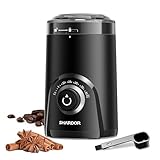
The second SHARDOR in this list is an electric coffee grinder with a 70-gram capacity and a visual timing knob. The name also calls it a spice grinder and mentions quiet operation. Seventy grams is a generous size for a blade bowl and can hold enough beans for several cups of drip coffee. Like the other blade grinders, it relies on timing rather than numbered settings.
Key specs
- Electric blade grinder, 70 g capacity per the listing name
- Visual timing knob for precise grind duration
- Spice grinder capability
- Confirm motor power and bowl material on the page
Who it suits
People who grind in larger quantities for drip or French press, cooks who want a spice grinder with extra capacity, and households that want a single appliance for both jobs. It is not the best match for espresso.
Strengths
The larger bowl reduces the need to grind in batches, and the visual timing knob makes it easier to repeat a duration. It handles spices and nuts as well as beans, offering multipurpose use.
Pros
- Larger 70 g capacity
- Visual timing knob
- Works for spices and herbs
- Simple to clean
Cons
- Blade design is poor for espresso fineness
- Uneven grounds at fine settings
- Time-based control needs trial and error
- Flavors can transfer if used for spices and coffee
Big bowl, careful habits
A larger bowl invites overfilling, which leads to uneven grinding. Fill the bowl no higher than the maker suggests and shake gently during bursts. Use the timing knob to build a routine: a shorter setting for coarse French press, a longer one for medium drip. If you share the grinder between coffee and spices, run a handful of dry rice or bread cubes through it to absorb oils and odors, discard them, and wipe the bowl clean. Always unplug before cleaning, and keep the lid in place while the blade spins because the blade tips are sharp and move fast.
Who should choose the smaller model
If you grind a cup or two at a time, a smaller bowl gives better contact between beans and blade and more even results. The 70-gram bowl suits those who grind enough for a pot, a French press for guests or a batch of spices. In either case, compare the stated capacities and the footprints on the product pages, and consider where you will store it so the cord and lid are not bent. Remember that a bowl filled to the brim grinds unevenly, so even with a larger capacity you will often get better results by working in two smaller rounds.
How it compares
Compared with the smaller SHARDOR, this version is geared to bigger batches. Compared with the burr grinders, it is simpler to operate but less suited to espresso.
How to Choose a Compact Espresso Grinder
Espresso is the least forgiving brew method for a grinder, so the first decision is not brand or color but mechanism. Here is how to narrow the field quickly.
Match your situation to a pick
| Your situation | Best match from this list | Reason |
|---|---|---|
| Entry-level espresso machine at home, small counter | OXO Brew Compact Conical Burr (50 g) | Burrs plus micro-adjustments in a small body |
| Want to learn dialing in on a tight budget | CEVING Mini Manual Grinder | Burr consistency without a motor |
| Want many numbered steps in an electric grinder | IAGREEA 48-Setting Conical Burr | 48 grind settings |
| Travel, camping, hotel rooms | LEBURRY or LAMIDO E96T | Portable burr grinders |
| Fill the hopper once a week | OXO Brew Conical Burr (12 oz) | Large hopper |
| Drip, French press and spices only | BLACK+DECKER, SHARDOR models or Hamilton Beach | Blade grinders suit coarse work |
Burr or blade: why it matters for espresso
A blade grinder chops beans at random, so some pieces end up as powder while others stay as chunks. The powder over-extracts and tastes bitter, and the chunks under-extract and taste sour. A burr grinder crushes beans between two abrasive surfaces set a fixed distance apart, which narrows the range of particle sizes. Espresso uses a thin puck of fine grounds with high pressure, so uneven particles cause channeling, where water finds the easy path and skips the rest of the puck. That is why this guide ranks the burr models above the blade models for espresso, and why blade grinders are best reserved for drip coffee and spices.
Do the dose math
A common double-shot recipe uses about 18 grams of ground coffee to produce roughly 36 grams of espresso in about 25 to 30 seconds, a one-to-two ratio. A 50-gram hopper therefore holds about two and a half doses, so you would likely grind one dose at a time and refill as needed. If you pull two double shots a day, you use 36 grams daily, which means a 340-gram (12-ounce) bag lasts around nine to ten days and a 454-gram (one-pound) bag lasts about twelve. A 12-ounce hopper holds a full 340-gram bag, so you would not need to refill until the bag runs out, but the beans in the hopper stay exposed to air for the whole stretch. For a portable grinder with a small chamber, plan on one dose per fill, which means two cycles for two shots.
Now the effort side for a manual grinder. If a hand grinder takes about 15 to 20 seconds of cranking to produce 18 grams at a medium setting, expect somewhat longer for fine settings, perhaps 30 to 40 seconds. That is fine for one or two shots in the morning but tiring for a household making six drinks.
Count the settings, then check the range
A big number of settings is only helpful if they cover the right range. Some grinders spread 40 or more steps from coarse to fine, which means the espresso zone might only be a few steps wide. Others have fewer but finer steps near the espresso range, or micro-adjustments between main numbers. For espresso, you want small increments at the fine end. Check the product page to see whether the stated range includes espresso or Turkish coffee, and look for user reports on whether the finest setting is fine enough for your machine.
Know your machine
Machines with pressurized baskets are forgiving and can pull acceptable shots with a medium-fine grind, so even an entry-level burr grinder works. Machines with non-pressurized baskets require a finer, more consistent grind and benefit from micro-adjustment. Moka pots and AeroPress brewers use slightly coarser grinds than espresso, so a wider range of grinders works. If you own a manual lever or portable espresso maker, a hand grinder is a natural companion.
Capacity and footprint
Measure the space under your wall cabinets. Compact grinders are typically 10 to 12 inches tall once the hopper is attached, which can be tight under shelves. Single-dose workflows lessen the need for a large hopper and keep beans fresher, since you only expose what you grind. If you prefer to fill and forget, choose a larger hopper but plan to finish beans within a few weeks of roasting.
Cleaning and safety
Unplug any electric grinder before cleaning or removing parts. Never put fingers into a blade chamber, and never run a blade grinder without its lid on. Brush out burr chambers regularly, since stale grounds go rancid and affect flavor. Avoid washing motor bases in water. For rechargeable portable models, use only the supplied or specified charging cable, avoid charging unattended and stop using a unit that swells, smells hot or has a damaged cable. Keep small grinders away from moisture and from children.
Frequently Asked Questions
Can a blade grinder make espresso?
It can make a coarse powder, but the particles are uneven, which leads to inconsistent espresso extraction. For espresso, a burr grinder is strongly recommended. Blade grinders are better suited to drip coffee, French press and spices.
How fine does espresso need to be?
The grind is generally described as similar to table salt or fine sand, but exact settings vary by machine, beans and basket. You adjust until a double shot takes roughly 25 to 30 seconds to flow. Use that as a starting point, not a rule.
Are manual grinders good enough for espresso?
Quality hand grinders can produce excellent espresso grounds, but entry-level ones vary. Check that the listing mentions a range that reaches fine settings, and expect to put in some effort per dose.
What is the difference between stepped and stepless grinders?
Stepped grinders click between fixed positions, while stepless grinders adjust continuously. Stepped models are easier to repeat; stepless ones allow smaller changes. Compact grinders in this entry-level class are mostly stepped, sometimes with micro-adjustments in between.
How often should I clean my grinder?
A quick brush after each use and a deeper clean every week or two keeps oils from building up. Grinder cleaning tablets are sold for burr models, though you should follow the maker’s guidance on whether they are suitable for your grinder.
Is a bigger hopper better?
Not necessarily. Beans lose aroma when exposed to air, so a small hopper that you fill with a few days of beans can taste fresher. A large hopper is convenient but best used with a lid and a bag you finish within a couple of weeks.
Do I need to weigh my coffee?
For espresso, weighing the dose is one of the most useful habits. A simple kitchen scale that reads to 0.1 gram helps you repeat shots and diagnose problems. Without a scale, shots vary from day to day.
Can I grind spices in a coffee grinder?
Blade grinders are often marketed for spices, but strong flavors linger. Wipe the bowl well or keep a separate grinder for spices. Avoid using burr grinders for spices unless the maker says they are suitable.
Our Recommendation by Situation
If you want one compact grinder that can handle espresso, start with the OXO Brew Compact Conical Burr Grinder. If budget and counter space matter most, the CEVING manual grinder is the practical choice. Take a portable burr grinder such as the LEBURRY or LAMIDO when you travel. Choose the 12-ounce OXO if you prefer to fill a hopper and forget it, and keep the blade grinders for spices and drip coffee. Always confirm hopper size, settings and power details on the product page.
Ready to decide? Our #1 pick for 2026 is the OXO Brew Compact Conical Burr (50 g).
Live price & availability on Amazon.